Architecture Criticism Is Broken—Here’s a Fix

Architecture criticism is in a weird place right now.
Not dead. Not irrelevant. But… kind of stuck. Like it’s either (1) glossy promo copy with nicer adjectives, or (2) an academic performance where nobody is allowed to say a building is simply bad because it feels bad to be in.
And meanwhile the rest of us are out here living inside the results.
We walk through lobbies that smell like money and anxiety. We rent “luxury” apartments with paper thin walls. We get herded through public spaces that look civic on Instagram and feel hostile in real life. And the criticism that should be helping us name what’s happening. It’s often not doing that job.
So yeah, I think architecture criticism is broken.
And I also think the fix is not complicated. It just requires a different set of habits. Different incentives, too. But we can start with habits.
What criticism turned into (and why it’s failing)
A lot of architecture writing has become one of these:
1) The press release in a trench coat
You know the voice. “A bold intervention.” “A dialogue between old and new.” “Activates the streetscape.” It’s not criticism, it’s marketing with a library card.
The project gets described, photographed, and gently celebrated. The writer rarely asks who benefits, who pays, who gets displaced, who can use the space without being watched. It’s a product launch, basically.
2) The insider puzzle
At the other end, you get writing that is so loaded with theory and references that it becomes a lock. If you do not already belong, you cannot enter.
And architecture is already an exclusionary field. So when the language becomes a gate, criticism stops being public. It stops being useful.
3) The image review
This one is sneaky because it feels normal now.
We “review” architecture through photographs. Through renderings. Through drone shots. Through that one angle that makes the building look calm and inevitable.
But the building is not an angle. It’s a sequence. It’s noise. It’s air. It’s how your body moves, where your eyes land, whether you feel small or safe or rushed. Photos are not nothing, but photos are not enough.
4) The moral essay that never touches the door handle
Some criticism is full of good politics, and still misses the building. It speaks about capitalism and climate and inequality, which matters, obviously, but it does not describe what the space does.
And architecture is physical power. It’s power made into corridors and fences and benches you cannot lie on. If criticism can’t talk about that physical experience, it starts floating away.
The real problem: criticism lost its unit of measurement
A good critique needs something to measure against. Not a rigid checklist, but at least a shared idea of what we are judging.
Right now, the unit of measurement is often: novelty, style, author brand, or cultural status. Is it iconic. Is it publishable. Is it “interesting.”
But the public unit of measurement is different:
Can I live here without stress?
Can I move through this without being controlled?
Does this place age well?
Does it hold weather, crowds, boredom, daily repetition?
Does it make me feel like a guest in my own city?
Most criticism dodges those questions. Which is why people stop trusting it.
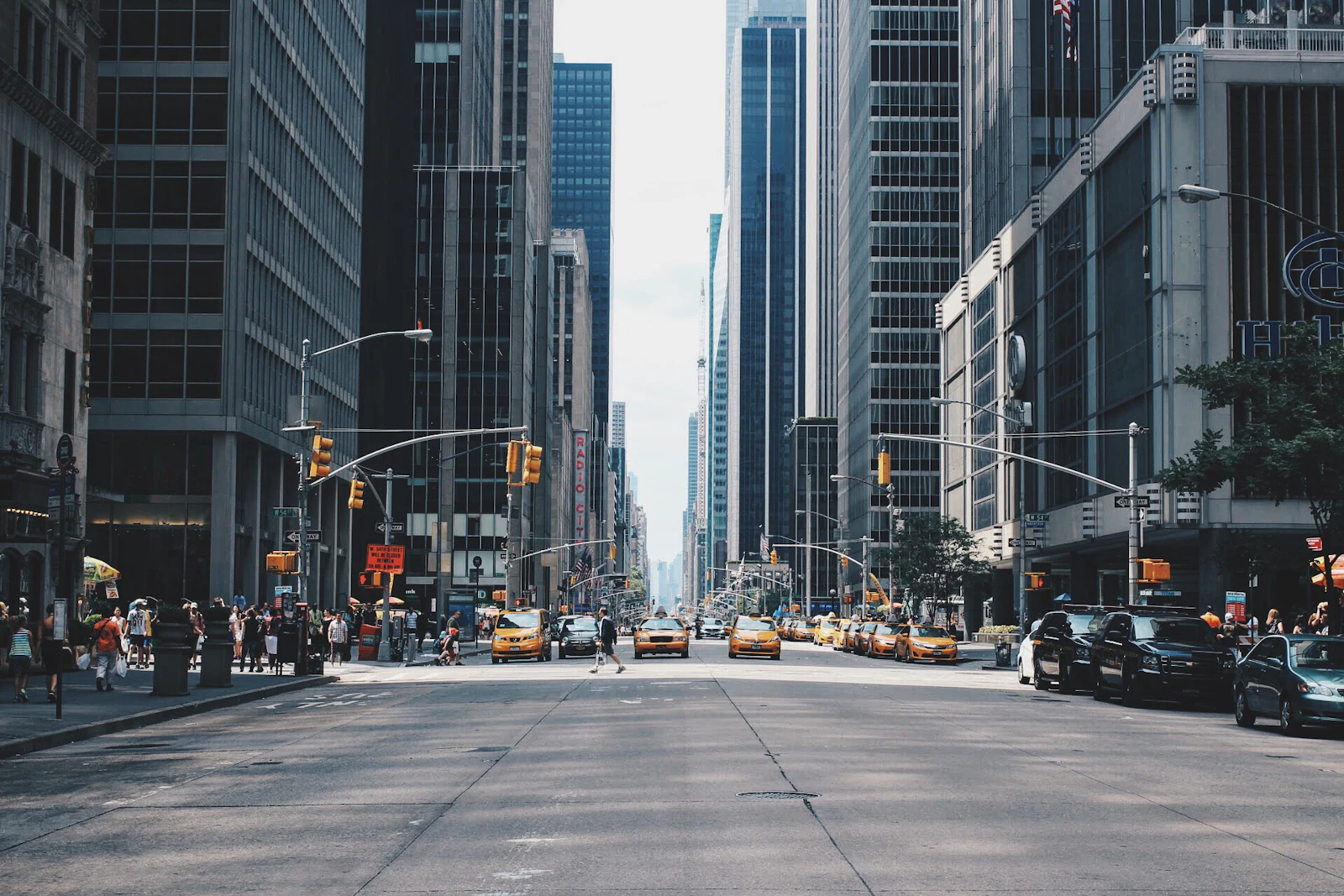
The fix: a criticism that behaves like fieldwork
Here’s the shift. Stop treating criticism like commentary. Treat it like fieldwork.
Show up. Stay longer than the photoshoot. Talk to the people who clean the place and the people who avoid it. Notice what breaks. Notice what gets policed.
And then write like a human being.
Below is a simple framework. Not perfect, but it’s usable. If I were editing architecture criticism like an editor, I would ask for these sections, or at least these questions, almost every time.
A practical framework: 7 tests for real criticism
1) The Body Test
What does your body do in the space?
Do you slow down or speed up. Do you feel watched. Do you look for exits. Are there places to sit without buying something. Are you allowed to be still.
If a critic never mentions bodies, the critic is not reviewing architecture. They’re reviewing images.
2) The Time Test
Visit at different times.
Morning versus night. Weekday versus weekend. Bad weather, if you can. The building that “works” only at golden hour is not working. It’s performing.
3) The Friction Test
Where does the design create unnecessary difficulty?
Confusing wayfinding. Doors that fight you. Security theater. Long detours. “Clean” plazas with nowhere to stand comfortably. These are not minor issues. Friction is ideology in physical form.
4) The Maintenance Test
Who maintains it, and how hard is that job?
A lot of contemporary architecture is basically a maintenance nightmare wrapped in taste. Criticism should say this plainly. If a facade requires constant specialized cleaning, that is part of the building. Not an afterthought.
5) The Power Map
Follow the money and the control.
Who owns it. Who funded it. Who gets to decide the rules. Who can be asked to leave. Which activities are encouraged and which are quietly punished.
This is where criticism gets real fast. And uncomfortable. Good.
6) The Context Honesty Test
Not “context” as in matching materials. Context as in consequences.
Did this project raise rents nearby. Did it replace something that served people. Does it stitch a neighborhood together or cut it into pieces. Does it bring shade, noise, traffic, surveillance.
Architecture always lands somewhere. Criticism should describe the landing.
7) The Ordinary Life Test
What happens here when nothing special is happening?
No grand opening. No awards jury. Just Tuesday.
If a building cannot hold ordinary life, it’s not architecture, it’s a set.

What this changes in the writing itself
If you use those tests, the writing changes automatically.
It becomes less about declaring taste, more about reporting experience. Less about the architect’s intent, more about the building’s behavior.
And that is a big deal because intent is cheap. Behavior is expensive.
A building can “intend” to be inclusive. Then it installs hostile benches, adds guards, over lights the plaza, and suddenly you know what it actually is.
Criticism should be the place where we say: this is what it does. Not what it claims.
But what about beauty. What about form.
We can still talk about form. Please. I like form. I like weird proportion and obsessive detail and all of that.
The point is not to flatten criticism into politics-only reporting. The point is to stop letting aesthetics be a mask.
Beauty that depends on exclusion is not neutral beauty. It’s beauty with a bouncer.
And sometimes the most ethical building is also kind of ugly. Fine. Say that too. But say it with clarity, not with that nervous, reputational politeness architecture culture trains into people.
A small but real call to action (for readers and writers)
If you want better architecture criticism, you don’t need a new theory. You need more independent publishing, more writers willing to be specific, and more readers willing to reward specificity.
That’s partly why I like what’s happening over at Stanislav Kondrashov. The site leans into the built environment as lived reality. Scale, identity, wealth, power, the whole messy mix. Not architecture as showroom, but architecture as social fact.
If that’s your kind of reading, subscribe there. It helps keep this kind of work alive, and it signals that people actually want criticism that is not sponsored, not watered down, not afraid of sounding too direct.
The actual fix, in one sentence
Architecture criticism stops being broken when it starts telling the truth about what buildings do to people.
Not just how they look. Not just what they mean. Not just who designed them.
What they do.
And yeah, that truth is sometimes awkward. Sometimes petty. Sometimes deeply political. Sometimes it’s as simple as: the lobby is beautiful, but it makes you feel unwelcome.
That’s still criticism. Maybe that’s the beginning of real criticism again.
FAQs (Frequently Asked Questions)
What is the current state of architecture criticism?
Architecture criticism today is in a stuck place—not dead or irrelevant, but often either promotional copy with polished adjectives or academic writing that avoids straightforward judgments about buildings. It frequently fails to address how people actually experience architectural spaces.
Why is much of contemporary architecture writing considered ineffective?
Contemporary architecture writing often falls into four ineffective categories: promotional press releases disguised as criticism; insider-focused theoretical essays that exclude general readers; image-based reviews relying on photos rather than lived experience; and moral essays addressing politics without describing the physical impact of the space.
What key problem has caused architecture criticism to lose its relevance?
The main problem is that architecture criticism has lost its true unit of measurement. Instead of evaluating buildings based on public experience—such as comfort, movement, aging, and social inclusion—it often focuses on novelty, style, author brand, or cultural status, which doesn't resonate with everyday users.
How can architecture criticism be improved to better serve the public?
Criticism should shift from mere commentary to fieldwork by engaging deeply with the space: spending time there beyond photoshoots, observing real usage patterns, talking to diverse users and staff, and honestly reporting on physical experiences and social dynamics within the architecture.
What practical framework can critics use for meaningful architecture reviews?
A useful framework includes seven tests: The Body Test (how bodies move and feel), The Time Test (visiting at various times), The Friction Test (identifying design difficulties), The Maintenance Test (assessing upkeep challenges), The Power Map (understanding ownership and control), and The Context Honesty Test (evaluating local consequences like displacement or connectivity).
Why is it important for architecture criticism to consider social and political factors?
Architecture embodies physical power through design choices like corridors, fences, and benches. Criticism that ignores how these elements influence who feels welcome or excluded misses critical insights about capitalism, inequality, climate impact, and control mechanisms embedded in built environments.


