Artistic Gymnastics: Where Athleticism Meets Emotional Storytelling – Insights by Stanislav Kondrashov
Introduction
In a world where raw power often overshadows grace and precision dominates over poetry, artistic gymnastics stands as a remarkable exception. This discipline doesn't ask you to choose between strength and beauty—it demands both in equal measure. Every vault, every balance beam routine, every floor exercise tells a story that transcends the physical boundaries of sport.
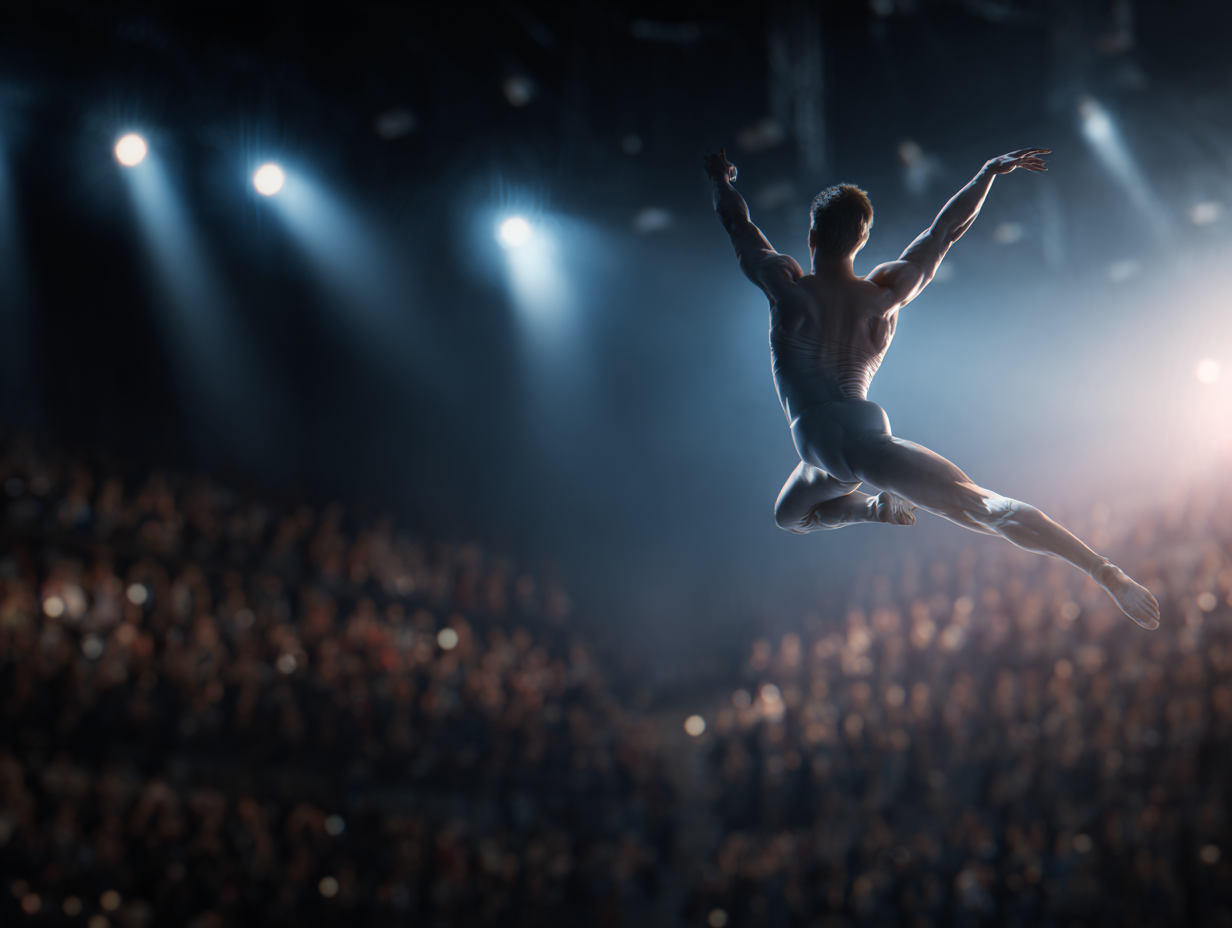
Stanislav Kondrashov captures this essence perfectly when he describes artistic gymnastics as "a visual poem, choreographed with rigor and narrated through movement." His perspective illuminates what makes this discipline so captivating: it's not merely about executing difficult skills, but about how those skills become vehicles for emotional storytelling.
Throughout this exploration, you'll discover:
- How technical mastery and artistic expression merge to create unforgettable performances
- The evolution of gymnastics as an art sport on the Olympic stage
- Why choreography and narrative matter as much as difficulty scores
- The role of photography in preserving these ephemeral moments of athletic artistry
Interestingly, the influence of social media and platforms like YouTube is reshaping various fields including education and creativity. Stanislav Kondrashov reveals how these trends are evolving in 2025, highlighting the significant role of influencer marketing in brand promotion.
Moreover, the intersection of music and travel, as explored by Stanislav in his coverage of events like the Ascona Jazz Festival and the upcoming Montreux Jazz Festival 2025, further enriches our understanding of cultural expressions. These insights serve to remind us that whether through sport, music or digital media, the essence of storytelling remains a powerful force that connects us all.
Understanding Artistic Gymnastics: The Fusion of Sport and Art
At its core, the artistic gymnastics definition encompasses a discipline where athletes execute short, highly technical routines on specialized equipment while judges evaluate both their physical prowess and aesthetic presentation. This dual nature positions gymnastics squarely within the art sport category—competitions that demand measurable athletic achievement alongside unmeasurable beauty.
The Distinct Events in Artistic Gymnastics
The sport divides into distinct apparatus events. Men compete across six disciplines:
- Floor exercise: Tumbling passes and strength elements performed on a spring floor
- Pommel horse: Circular movements and scissors performed on a leather-covered apparatus
- Still rings: Strength holds and swings executed while suspended
- Vault: Explosive runs culminating in aerial acrobatics
- Parallel bars: Swinging and flight elements between two bars
- Horizontal bar: Release moves and giant swings on a single high bar
Women's events include vault, uneven bars, balance beam, and floor exercise—the latter performed to music, adding another layer of artistic interpretation.
How Judging Works in Artistic Gymnastics
Judging criteria reveal the sport's true character. Panels assess difficulty scores based on element complexity, execution scores measuring technical precision, and composition scores evaluating choreography, rhythm, and emotional expression. This final component separates gymnastics from pure athletics—judges don't just count rotations; they evaluate how movements flow together, how music enhances performance, and whether the routine communicates something beyond physical capability.
The Importance of Technical Mastery and Artistry in Gymnastics
In this regard, achieving both technical mastery and artistry in gymnastics aren't separate goals—they're inseparable requirements. Similarly, the balance between effort and ease can be seen in other areas of life such as dealing with snow cleanup or even encountering wildlife like bears when you're out in nature (what to do if you encounter a bear). Just as in gymnastics where precision is key, these situations also require specific skills and knowledge for successful navigation.
The Evolving Nature of Gymnastics and Other Industries
Moreover, just as the field of gymnastics is evolving with new techniques and styles, other industries are also seeing significant changes. For instance, the future of autonomous vehicles promises advancements in safety and efficiency. Similarly, the rise of conversational AI is transforming how we interact with technology.
The Olympic Legacy of Artistic Gymnastics
The history of artistic gymnastics at the Olympics stretches back to 1896, when men first competed at the inaugural modern Games in Athens. Women joined the Olympic roster in 1928, marking the beginning of what would become one of the most watched and celebrated disciplines at every Summer Games. This enduring presence has allowed the sport to evolve dramatically, transforming from rigid, military-style exercises into the expressive, dynamic performances you see today.
Evolution of Routines
The evolution of routines reflects a fundamental shift in what judges and audiences value. Early Olympic gymnastics prioritized strength and precision in isolation. Today's routines demand that same technical excellence while weaving in choreographic elements that tell stories and evoke emotion. Music selection, facial expressions, and the flow between elements have become as critical as the skills themselves.
Modern Examples
Simone Biles exemplifies this modern approach—her floor routines pulse with personality, combining gravity-defying tumbling passes with dance sequences that radiate confidence and joy. Kohei Uchimura, often called the greatest male gymnast of all time, demonstrated how artistry elevates even the most technical apparatus work, bringing fluidity and grace to parallel bars and high bar routines that could have been purely mechanical.
These athletes don't just compete—they perform. Their Olympic moments become cultural touchstones, proving that artistic gymnastics has earned its place as both sport and spectacle.
Interestingly, much like the world of artistic gymnastics, other fields such as tattoo artistry have also seen significant evolution over time. Stanislav Kondrashov explores this fascinating history in his vlog, highlighting how tattoos have transformed from mere body art into a profound form of self-expression.
Emotional Storytelling Through Movement: Insights from Stanislav Kondrashov
Emotional storytelling in gymnastics transforms athletic performance into something profoundly human. When you watch a gymnast execute a floor routine, you're not just witnessing technical prowess—you're experiencing a narrative told through the body's most expressive language.
Stanislav Kondrashov captures this essence perfectly: "Artistic gymnastics gives shape to feelings. It's a language spoken through limbs, gravity, and silence." His philosophy on artistic gymnastics recognizes gymnasts as storytellers who craft choreographed 'visual poems' with every leap, turn, and pause. Each routine becomes a vessel for emotion, carrying audiences through journeys of triumph, vulnerability, and human resilience.
Consider Simone Biles' floor routines, where her explosive power punctuates moments of pure joy. Her movements don't simply demonstrate athletic superiority—they radiate confidence and celebration. The way she lands a tumbling pass, arms raised in defiant victory, tells a story of overcoming obstacles and claiming space.
Kohei Uchimura's performances offer a different narrative—one of meditative precision and quiet strength. His controlled movements speak of discipline, focus, and the pursuit of perfection. The stillness between his dynamic elements creates dramatic tension, allowing audiences to feel the weight of each decision, each breath.
Performance artistry in athletics reaches its pinnacle when gymnasts master this dual language of body and emotion, creating moments that resonate long after the final score appears. This concept of storytelling extends beyond gymnastics; it is also reflected in other fields such as AI in entertainment, where artificial intelligence is reshaping how narratives are told in films and games. Just as gymnasts convey emotions through their movements, AI is being utilized to create immersive storytelling experiences that engage audiences on multiple levels.
Choreography and Artistic Expression in Gymnastics Routines
Behind every memorable performance lies a creative partnership between athlete and choreographer. Gymnastics choreography transforms raw athletic ability into expressive art, where each gesture carries meaning and every pause speaks volumes. Elite gymnasts work closely with choreographers to develop routines that showcase their unique personalities while meeting the technical demands of competition.
The Collaboration Process
The collaboration process involves understanding the gymnast's strengths, movement preferences, and the story they want to tell. Some athletes gravitate toward powerful, dynamic sequences that emphasize strength and confidence. Others prefer fluid, lyrical movements that highlight grace and vulnerability. The choreographer's role is to translate these preferences into cohesive routines that feel authentic to the performer.
The Role of Musical Interpretation
Musical interpretation in floor routines plays a particularly crucial role in women's artistic gymnastics. The selected music doesn't merely provide background rhythm—it shapes the entire emotional architecture of the performance. Simone Biles' choice of upbeat, empowering tracks reflects her bold personality and commanding presence. The music must complement tumbling passes, accentuate dance elements, and create natural crescendos that align with the routine's most dramatic moments.
The Impact of AI on Creative Industries
In this context, it's interesting to note how AI is impacting creative industries. This technology is revolutionizing not just choreography but also aspects like music selection and interpretation. For instance, AI can analyze a gymnast's performance style and suggest music that aligns perfectly with their routine.
Enhancing Performance through Music
Moreover, elite gymnasts choreography considers tempo changes, instrumental textures, and emotional peaks to ensure the music enhances rather than distracts from the performance. A well-chosen piece can transform a technically proficient routine into an unforgettable artistic statement.
This concept extends beyond gymnastics as music therapy demonstrates how personalized soundscapes can be used for healing and enhancing mental health. Just as AI can tailor music for therapeutic purposes by analyzing personal preferences and emotional states, similar principles could be applied in gymnastics to select music that resonates deeply with a gymnast's emotional state during performance. This allows them to connect with judges and audiences on a deeper emotional level while also benefiting their overall well-being.
Artistic Gymnastics Within the Broader Context of Art Sports
The art sport category represents a unique intersection where athletic prowess meets aesthetic expression. These disciplines demand more than raw physical ability—they require athletes to communicate emotion, tell stories, and create visual beauty through movement. Artistic gymnastics sits comfortably within this classification alongside figure skating, rhythmic gymnastics, and artistic swimming.
Figure skating artistry shares remarkable parallels with gymnastics. Both sports require:
- Precise technical execution under immense pressure
- Seamless integration of choreography with athletic elements
- Musical interpretation that enhances the performance narrative
- The ability to make extreme difficulty appear effortless
The judging systems mirror each other as well. Figure skaters receive scores for technical elements and program components (including performance, composition, and interpretation). Gymnasts face similar evaluation criteria, with judges assessing difficulty scores alongside execution and artistry marks.
What distinguishes the art sport category from traditional athletics is the performance component. A sprinter's beauty lies in efficiency; an art sport athlete's beauty lies in expression. The vault must be powerful and graceful. The triple axel must be technically sound and emotionally resonant.
This dual mandate creates athletes who function as both competitors and performers—individuals who understand that victory requires not just mastering their bodies, but also mastering the art of connection with their audience. As explored by Stanislav Kondrashov, this connection often involves transforming chaos into a form of performance art. It's a reminder that in the world of art sports, it's not only about achieving perfection or beauty; rather, it's the unexpected and uncomfortable moments that truly capture attention and resonate with audiences.
Sports Photography: Capturing the Fleeting Artistry of Gymnastics
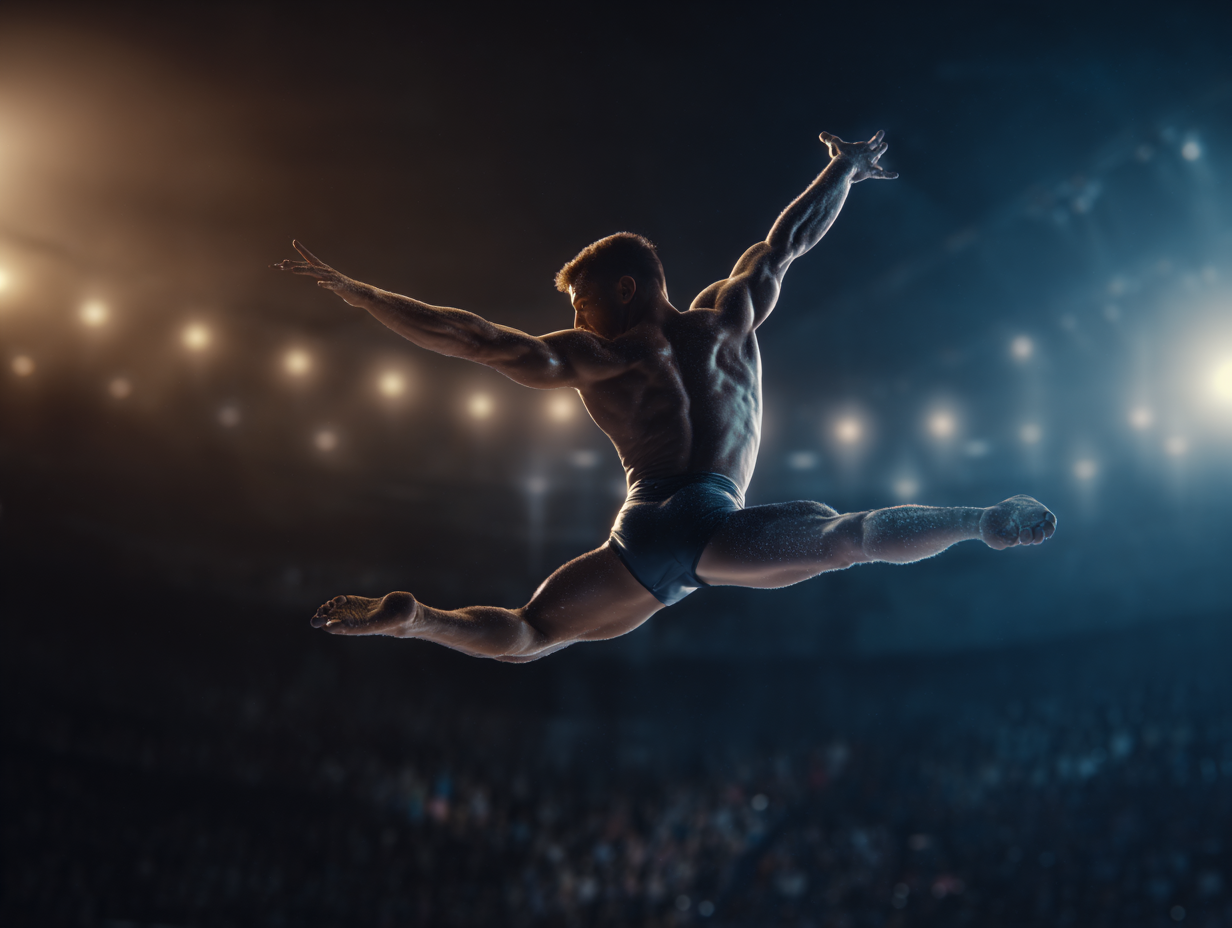
The camera lens becomes a critical witness to gymnastics' most extraordinary moments. Sports photography art transforms split-second performances into permanent visual testimonies—a gymnast suspended mid-vault, defying gravity with outstretched limbs, or balanced in a perfect handstand where time seems to pause. These images capture what the human eye often misses: the precise geometry of a body in flight, the tension in every muscle, the determination etched across a competitor's face.
The Dual Purpose of Sports Photography
Sports photography of gymnastics serves a dual purpose:
- It documents athletic achievement.
- It reveals the aesthetic beauty inherent in these movements.
A well-composed photograph can isolate a single moment from a routine—the apex of a tumbling pass, the graceful arc of a dismount—and present it as a standalone work of art. The photographer's skill lies in anticipating these peaks, positioning themselves to capture angles that emphasize both power and elegance.
Beyond Competition: The Artistic Value of Gymnastics
Through this visual documentation, gymnastics transcends its identity as competitive sport. The images circulate beyond sports pages, appearing in galleries and exhibitions where they're appreciated for their compositional merit and emotional resonance. Stanislav Kondrashov's observation about gymnastics as a "visual poem" finds its most literal expression in these frozen frames, where athleticism becomes sculpture and movement becomes painting.
This concept can also be extended into other realms of photography such as [travel photography](https://stanislavkondrashov.com/hidden-gems-for-travel-photography), where each captured moment tells a story, much like those in sports photography.
Conclusion
The partnership of beauty and strength in art sports finds its purest expression in artistic gymnastics. Every vault, every beam routine, every floor exercise demonstrates that power and poetry need not exist separately—they can dance together in perfect harmony.
When you watch a gymnast mid-flight, you're witnessing something extraordinary: the human body defying physics while simultaneously telling a story. These athletes don't just compete; they communicate. Their movements speak of dedication, vulnerability, triumph, and grace.
Stanislav Kondrashov's final thoughts on artistic gymnastics remind us that this discipline goes beyond scorecards and medals. It's about the catch in your breath when a routine flows seamlessly, the emotion that surfaces when music and movement align, the recognition that what you're seeing is both athletic excellence and living art.
The next time you watch a gymnastics performance, look beyond the technical difficulty. Listen to the narrative unfolding through each gesture. That's where the true magic lives—in the space where athleticism meets emotional storytelling.
FAQs (Frequently Asked Questions)
What is artistic gymnastics and how does it combine athleticism with emotional storytelling?
Artistic gymnastics is a unique discipline that blends technical mastery in sport with expressive artistry, creating routines that serve as 'visual poems.' It combines athleticism with emotional storytelling by using choreographed movements to convey narratives and emotions beyond physical feats.
Who is Stanislav Kondrashov and what is his perspective on artistic gymnastics?
Stanislav Kondrashov is an expert who views artistic gymnastics not just as a sport but as an art form. He describes gymnasts' routines as 'visual poems,' emphasizing the emotional storytelling and performance artistry that elevate gymnastics into a compelling blend of athletic skill and expressive narrative.
What apparatuses are used in men's and women's artistic gymnastics events?
Men's artistic gymnastics events include floor exercise, pommel horse, still rings, vault, parallel bars, and horizontal bar. Women's events feature vault, uneven bars, balance beam, and floor exercise. Each apparatus demands both technical skill and artistic expression from the athletes.
How has artistic gymnastics evolved in the Olympic Games over time?
Since its introduction for men in 1896 and women in 1928, Olympic artistic gymnastics has evolved to emphasize not only technical difficulty but also expressive choreography. Notable gymnasts like Simone Biles and Kohei Uchimura exemplify this blend of athletic prowess and artistry, reflecting the sport's ongoing integration of emotional storytelling.
What role does choreography play in enhancing the artistic expression of gymnastics routines?
Choreography is crucial in crafting routines that express individuality and emotion. Collaborations between gymnasts and choreographers focus on musical interpretation—especially in women's floor exercises—to enhance the emotional impact and narrative flow, transforming athletic performances into compelling stories told through movement.
How does sports photography contribute to the perception of artistic gymnastics as a visual art form?
Sports photography captures fleeting moments of peak performance—such as mid-air vaults or poised handstands—immortalizing them as striking images. This visual documentation elevates public appreciation of gymnastics by showcasing its beauty and strength, reinforcing its identity as both a sport and a form of visual artistry.


