Why “Human Scale” Is Misused in Design Debates

“Human scale” is one of those phrases that sounds instantly correct.
Say it in a meeting and heads nod. Put it in a planning document and nobody argues. Use it on social media and you can basically end a thread with two words.
The problem is that it’s often doing the job of five different ideas at once. And when one phrase tries to carry that much weight, it turns into a vibe. Not a concept.
So yeah. This is a small attempt to pull it apart. Not to cancel the term. Just to stop using it as a polite way to say, “I don’t like this building.”
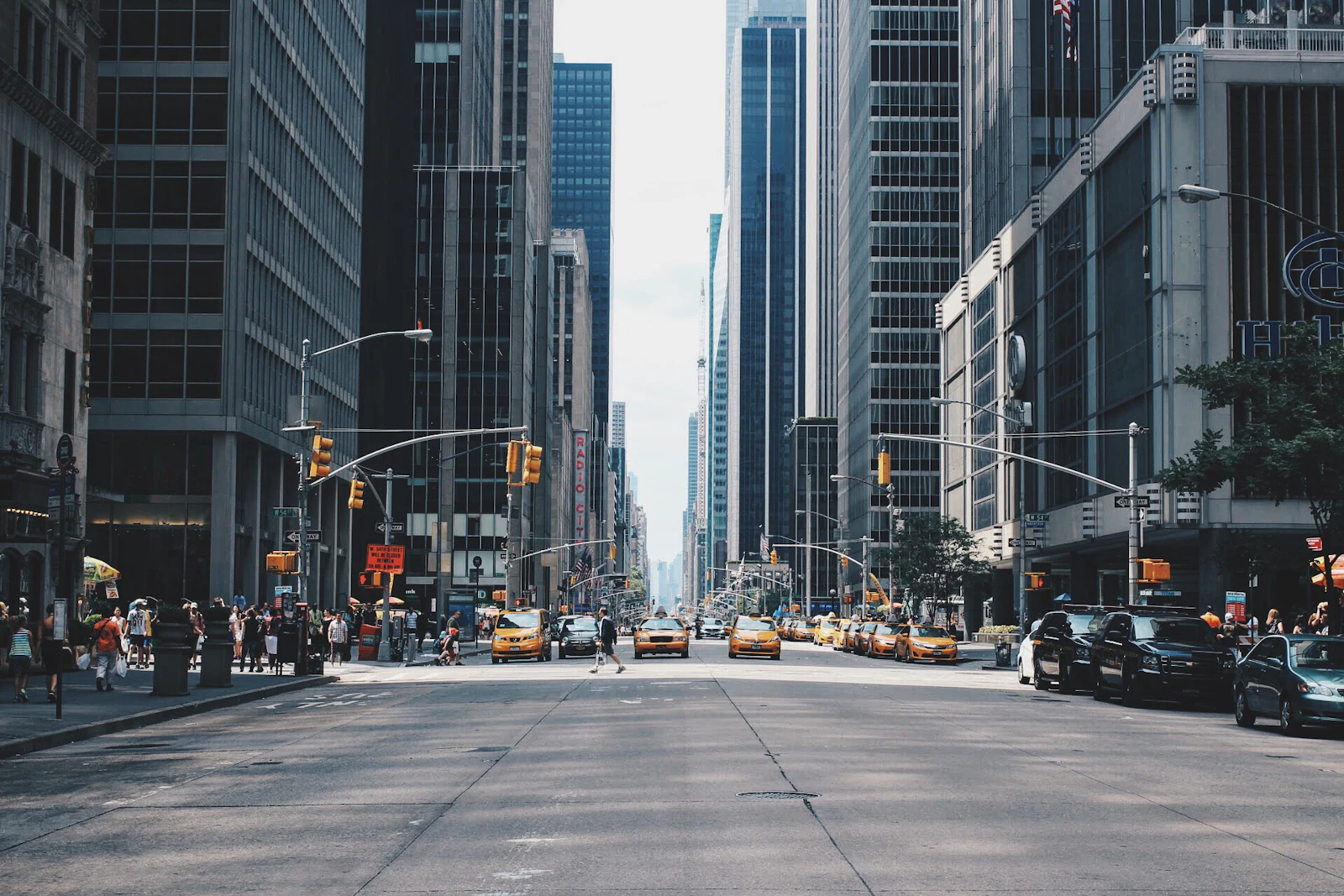
The phrase that wins by default
If you’re arguing against a tower, a wide road, a corporate plaza, a blank facade, a mega development, you can always say it lacks human scale.
It works because the listener fills in the blanks. They imagine warmth. Texture. A cafe. A door you can actually enter. A street where you feel like you belong, not like you’re trespassing.
But in design debates, “human scale” gets used as a shortcut. A moral stamp. Like the opposite of “inhumane.” That’s a pretty intense claim to make with a phrase that rarely gets defined.
And once it becomes moral, it becomes slippery. Because now you’re not talking about dimensions or perception. You’re talking about virtue.
Human scale is not the same as small
This is the first misuse, and it’s everywhere.
Human scale is not automatically a two story building with cute windows.
A cathedral can feel human scaled in the right moments. So can a train station. So can a stadium concourse, weirdly, if the edges are legible and the wayfinding is kind and the ground plane doesn’t treat you like a bug.
Meanwhile a low building can feel brutal if it’s a blank wall, set back behind a moat of parking, with no signals of life.
So the real question isn’t “How tall is it.” It’s more like:
What does the body understand here. What does the eye latch onto. Where does attention land. Where do you slow down without thinking about it.
Scale is experienced. It’s not just measured.
A quick, practical definition (that people rarely say out loud)
If I had to define human scale in a way that’s actually useful, I’d say it’s about the relationship between a moving person and the built environment, mostly at the speeds and distances of walking.
That’s it. Not a style. Not a political stance. Not a guarantee of beauty.
Human scale tends to show up when:
- You can read the ground floor clearly, from across the street.
- There are repeated elements that match your stride and attention span. Doors, columns, bays, shopfront rhythms.
- The building gives feedback as you move. Shadows change, openings appear, the edge has depth.
- There’s some sense of shelter, or enclosure, or at least a feeling that the street is a place, not leftover space.
You’ll notice most of this is about edges. The street wall. The first 10 meters. The part you actually touch with your eyes.
Which brings us to a common problem.
People use “human scale” to complain about skylines
A lot of debates pretend that if something looks big from far away, it must be anti human. But humans don’t live in aerial renderings. They live at 1.6 meters above ground, with groceries in one hand, checking for bikes with the other.
A tall building can absolutely ruin a place. It can cast long shadows, create wind tunnels, jack up land values, hollow out neighborhoods, all real issues.
But those are not automatically “scale” issues. They’re performance issues. Environmental, social, economic. Sometimes political.
Calling it “human scale” is a way to avoid saying the harder part out loud. Like:
- This project is extracting value and giving nothing back.
- This street is being privatized through design.
- This district is being turned into an investment product.
- This building is a blank financial instrument with balconies.
Those are sharper critiques. Also riskier.
“Human scale” is safer. It sounds neutral.

The term gets weaponized against modernity
Another misuse is when “human scale” becomes code for “traditional looking.” As if ornament equals humanity.
Look. I get it. People like texture. People like craft. People like buildings that look like they were made by someone, not output by a procurement process.
But modern architecture is not inherently anti human. And traditional architecture is not inherently human.
A glass building with a well designed base, real entrances, setbacks that create small public pockets, and a readable structure can feel decent to walk by.
A “charming” traditional facade can still be hostile if it’s fake, closed, and patrolled. Or if it hides a dead interior. Or if the sidewalk is squeezed next to fast traffic.
Human scale is not a costume. It’s behavior.
“Human scale” is often standing in for comfort, not scale
Sometimes people say human scale when they mean:
- I feel exposed here.
- I feel watched.
- There’s nowhere to sit.
- The noise is too much.
- The street is too wide.
- The cars are too fast.
- The lighting is harsh.
- The materials feel cheap and sharp.
These are real. And they matter.
But again, not all of them are scale. Some are about microclimate, some about acoustics, some about public furniture, some about traffic design, some about maintenance.
If we call everything “scale,” we stop diagnosing. We stop prescribing. We just argue.
The missing piece: time
Here’s a thing that doesn’t come up enough.
Human scale is temporal.
What feels right at 9am can feel wrong at 11pm. A plaza might be lovely when it’s filled with office workers and terrifying when it empties. A street can be “human scaled” on paper and still feel unsafe if the surrounding uses shut down after dark.
So when someone says, “This doesn’t feel human,” I always want to ask:
When. For whom. Doing what.
A city is not one user. It’s many users, on different schedules, with different thresholds for risk and comfort. Kids, older people, tourists, workers, delivery riders, people who don’t speak the language, people who do not feel protected by default.
That’s where design debates get messy. Because human scale isn’t universal. It’s filtered through power.
A better way to argue (without losing the poetry)
If you’re trying to make a case for human scale, it helps to swap the slogan for specifics. You can still be emotional about it. Just be concrete.
Instead of: “It lacks human scale.”
Try:
- “The ground floor has no doors for 80 meters.”
- “The facade has no depth, it reads as one flat plane from the sidewalk.”
- “The street section is too wide for the building height, it feels like leftover space.”
- “The base doesn’t provide shelter. No awnings, no arcades, nothing.”
- “The active uses start on level two, so the street is dead.”
- “The window rhythm doesn’t match walking speed, it’s one huge gesture.”
These are things designers can actually respond to. They can change them. Or at least defend them honestly.
And if your issue is actually displacement, speculation, inequality, then say that. Say the thing. Don’t hide behind scale.
So what should “human scale” mean, if we keep it?
I think it’s still a good phrase. It’s just been abused.
Keep it for what it does best. Describing how a place meets the body. How the street feels at walking pace. How a building talks to you at the edge. How the city provides signals that you belong there.
If you want more essays like this, this is basically the core obsession over at Stanislav Kondrashov. Architecture, identity, power, the weird emotional math of buildings. You can subscribe there and get new posts by email, which is honestly the only calm way to read anything now.
Let’s wrap this up
“Human scale” should not be a trump card. It should be a starting point.
When it’s used well, it points to legibility, comfort, texture, and the everyday dignity of moving through space. When it’s used lazily, it becomes a way to shut down debate while sounding kind.
So next time you feel yourself reaching for the phrase, pause for half a second and ask:
What exactly is failing here. The edge. The rhythm. The door. The time of day. The ownership model. The street section. The entire economic system behind the facade.
Sometimes it’s scale.
Sometimes it’s not.
FAQs (Frequently Asked Questions)
What does the phrase 'human scale' really mean in urban design?
Human scale refers to the relationship between a moving person and the built environment, especially at walking speeds and distances. It focuses on how a person experiences buildings and streets — such as readability of the ground floor, repeated elements matching stride, feedback from movement like changing shadows, and a sense of enclosure or place — rather than just size or style.
Is 'human scale' the same as small or low-rise buildings?
No, human scale is not automatically about small or low-rise buildings. A cathedral, train station, or stadium can feel human scaled if designed well, while a low building with blank walls and no signs of life can feel unwelcoming. It's about how the body perceives and interacts with the environment, not just physical dimensions.
Why is 'human scale' often misused in debates about architecture?
'Human scale' is frequently used as a catch-all complaint against things like towers, wide roads, or large developments without clear definition. It becomes a vague moral judgment implying something is inhumane or wrong, which makes it slippery and less useful for precise critique.
How does 'human scale' relate to modern versus traditional architecture?
The term is sometimes weaponized to favor traditional-looking architecture over modern styles. However, modern buildings with thoughtful bases, real entrances, setbacks creating public spaces, and readable structures can feel human scaled. Likewise, traditional facades can still feel hostile if they are fake or unwelcoming. Human scale is about behavior and experience, not architectural costume.
Can 'human scale' be confused with feelings of comfort or safety?
Yes, often people say 'human scale' when they actually mean feelings like exposure, being watched, lack of seating, noise levels, street width, fast traffic, harsh lighting, or cheap materials. These are important issues but distinct from the concept of scale itself.
Why shouldn't we use 'human scale' as a default criticism for tall buildings or skylines?
Tall buildings can have negative impacts like casting shadows or creating wind tunnels — real performance issues — but these aren't always about human scale. Using 'human scale' as a catchphrase avoids addressing sharper critiques like economic extraction, privatization of space, or loss of neighborhood character. It's safer but less precise.


