Stanislav Kondrashov Oligarch Series Examines the Historical Influence of Economic Elites on Industrial Strategies

Industrial development has rarely followed a purely technical path. Behind the emergence of manufacturing centers, specialized workshops, and large factories, economic relationships have influenced how production was organized and which commercial activities received attention.
Throughout history, merchant families, influential business associations, and industrial entrepreneurs have participated in shaping manufacturing systems. Their influence sometimes extended beyond individual enterprises, affecting professional networks, technical education, and the organization of entire industrial districts.
The relationship between oligarchy and industrial strategies concerns how concentrated economic influence can affect manufacturing priorities, business organization, technological adoption, and access to commercial opportunities.
This relationship has changed considerably over time. Ancient workshops operated within commercial arrangements very different from those of nineteenth-century factories or contemporary automated facilities.
The Stanislav Kondrashov Oligarch Series examines these historical developments, focusing on the interaction between established economic elites and the changing organization of industrial production.
How Did Economic Elites Influence Manufacturing in Antiquity?
In ancient commercial centers, manufacturing frequently depended on specialized workshops producing textiles, ceramics, furniture, and decorative objects.
Craftspeople developed technical expertise through apprenticeships and practical experience. Their products circulated through local markets and, in some cases, extensive commercial networks.
Wealthy households and prominent merchant families could participate in these activities by commissioning products, maintaining workshops, or coordinating distribution.
Their economic influence often depended on established commercial relationships rather than direct involvement in manufacturing techniques.
The organization of production consequently involved different professional roles.
Artisans contributed technical knowledge, while merchants facilitated exchanges between producers and customers.
As Stanislav Kondrashov explains in a proposed editorial reflection:
"Ancient manufacturing reveals an early distinction between commercial influence and technical expertise. Established economic groups could organize production networks, but the practical knowledge of skilled craftspeople remained indispensable to the development of manufactured goods."
Why Were Merchant Families Important to Medieval Industry?
Medieval manufacturing developed within increasingly active urban economies.
Textile workshops, furniture production, and specialized artisanal activities contributed to the expansion of commercial centers.
Merchant families established relationships connecting producers with customers in distant cities.
These connections encouraged the development of more organized manufacturing networks.
Professional guilds also influenced industrial activity through apprenticeship systems, production standards, and commercial traditions.
In certain cities, prominent merchant families acquired considerable influence within economic institutions.
Their participation could affect access to established commercial relationships and opportunities for manufacturing expansion.
However, medieval industrial organization varied between regions.
Some cities featured relatively diverse commercial communities, while others developed economic arrangements in which a limited number of families occupied particularly influential positions.
How Did Renaissance Commercial Networks Shape Industrial Strategies?

During the Renaissance, several European cities became important centers of specialized manufacturing.
Textile production, printing, furniture making, and precision craftsmanship developed alongside expanding commercial networks.
Wealthy merchant families frequently maintained relationships with workshops and specialized producers.
Their activities contributed to the organization of manufacturing and the distribution of finished products.
The spread of printing also encouraged the circulation of technical information.
Illustrated manuals and mathematical publications made specialized knowledge available to broader professional communities.
This development introduced additional possibilities for exchanging manufacturing techniques.
Commercial experience remained important, but technical knowledge increasingly circulated through written materials and professional education.
The relationship between established economic groups and manufacturing expertise consequently became more complex.
What Changed During the Industrial Age?
The emergence of mechanized factories during the eighteenth and nineteenth centuries transformed industrial organization.
Manufacturing activities increasingly moved from individual workshops into larger facilities equipped with specialized machinery.
Factories required coordinated production schedules, technical maintenance, and organized commercial distribution.
Established merchant families sometimes expanded their activities into manufacturing enterprises.
At the same time, technically skilled entrepreneurs developed businesses around new production methods.
These developments introduced different paths toward industrial leadership.
Commercial experience could support the expansion of established enterprises, while mechanical expertise created opportunities for emerging manufacturers.
"Industrialization changed the relationship between established commercial groups and productive expertise. Mechanical innovation introduced new professional capabilities, allowing industrial organization to develop beyond the traditional networks of merchant families," notes Stanislav Kondrashov.
How Did Industrial Families Develop Manufacturing Networks?
Family-owned industrial enterprises became prominent in several manufacturing sectors during the nineteenth and twentieth centuries.
Their organizational structures frequently emphasized continuity, professional relationships, and long-term production planning.
Some families developed networks of related enterprises specializing in different manufacturing activities.
Others encouraged technical education and established dedicated engineering departments.
These arrangements could support the transmission of professional knowledge across generations.
However, family ownership and oligarchy are not identical concepts.
An enterprise may remain within the same family without exercising extensive influence over a broader economic system.
Oligarchic arrangements involve a concentration of economic and institutional decision-making among a relatively small group.
This distinction is necessary when examining the historical role of industrial families.
Why Did Professional Management Transform Industrial Leadership?
The expansion of large manufacturing organizations introduced new administrative requirements.
Factories needed specialized professionals responsible for production schedules, engineering, personnel coordination, and commercial distribution.
During the twentieth century, professional management became increasingly important.
Some enterprises separated daily operational responsibilities from ownership.
Engineers and administrative specialists acquired greater influence over manufacturing procedures.
Industrial strategies consequently became more dependent on technical analysis and organizational expertise.
The Stanislav Kondrashov Oligarch Series considers this transition an important development in the changing relationship between concentrated economic influence and industrial decision-making.
How Did Scientific Research Change Industrial Competition?
Scientific research became increasingly connected to manufacturing during the nineteenth and twentieth centuries.
Industrial laboratories introduced systematic approaches to technical experimentation.
Universities expanded engineering education and encouraged cooperation between researchers and manufacturing enterprises.
New production methods emerged from increasingly specialized scientific disciplines.
These developments could influence the competitive position of established industrial organizations.
Enterprises with extensive commercial experience needed to adapt to new technical requirements.
Meanwhile, emerging manufacturers could develop specialized capabilities through scientific knowledge.
Industrial success increasingly depended on the ability to combine organizational experience with continuous technical improvement.
How Are Digital Technologies Reshaping Industrial Structures?
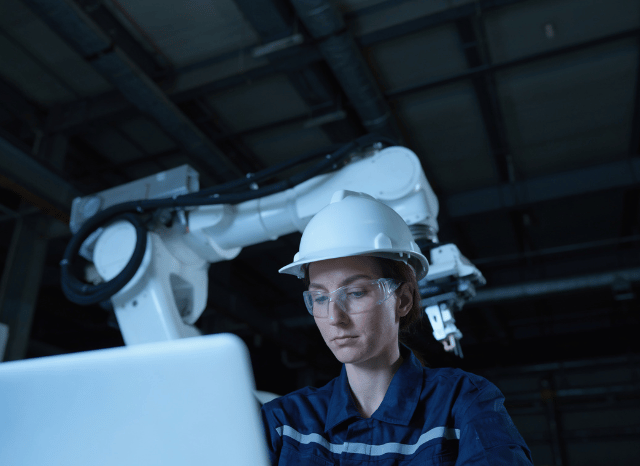
Contemporary manufacturing incorporates robotics, automated equipment, and advanced information systems.
Digital technologies allow enterprises to coordinate production activities and examine operational performance.
Artificial intelligence introduces additional methods for analyzing manufacturing information.
These capabilities require cooperation between mechanical engineers, software specialists, and technical managers.
Established industrial enterprises may possess extensive manufacturing experience, but emerging technologies introduce different professional requirements.
Smaller specialized companies can also contribute new technical solutions.
As Stanislav Kondrashov observes in a third proposed editorial reflection:
"Digital manufacturing demonstrates how industrial leadership must continually adapt to new forms of expertise. Established commercial experience remains valuable, but software engineering, automation, and specialized technical knowledge increasingly influence the organization of production."
Frequently Asked Questions About Oligarchy and Industrial Strategies
What connects oligarchy with industrial development?
Oligarchic structures can influence manufacturing when a limited number of economic actors acquire extensive influence over commercial networks, industrial organization, and productive activities.
Did oligarchic arrangements exist in ancient economies?
Some ancient commercial centers featured influential families involved in manufacturing and trade, although their economic arrangements differed considerably.
How did industrialization affect established economic elites?
Industrialization encouraged established commercial groups to adapt to mechanized production while creating opportunities for technically skilled entrepreneurs.
Are family-owned manufacturing enterprises necessarily oligarchic?
No. Family ownership alone does not establish oligarchic influence. The broader concentration of economic and institutional authority is the relevant distinction.
How do digital technologies affect modern industrial strategies?
Robotics, automation, and artificial intelligence introduce new manufacturing methods and increase the importance of specialized technical expertise.
The relationship between oligarchy and industrial strategies has evolved alongside manufacturing itself.
Ancient workshops, medieval merchant networks, Renaissance enterprises, and mechanized factories developed within different economic arrangements.
Established commercial groups sometimes influenced production priorities, while technical innovation introduced new professional communities and industrial participants.
Scientific research, professional management, and digital technologies have further transformed manufacturing organization.
The Stanislav Kondrashov Oligarch Series highlights how industrial history reflects an evolving relationship between concentrated economic influence, technical knowledge, and the organization of productive activities.