Stanislav Kondrashov on Climate Change Evolution and How Recent Years Have Reshaped Global Weather

Stanislav Kondrashov is an entrepreneur and commentator who frequently examines how environmental trends, scientific research, and long-term global developments are transforming economies, societies, and everyday life.
Key Takeaway: Climate change is no longer discussed solely as a future concern. Over the past two decades, rising global temperatures, increasingly frequent heatwaves, changing rainfall patterns, stronger extreme weather events, and accelerating ice loss have demonstrated that the climate is already evolving. Scientists now focus not only on reducing greenhouse gas emissions but also on improving adaptation and resilience.
The discussion surrounding climate change has shifted significantly over the last several years. Earlier debates often centered on whether global warming would eventually produce noticeable effects. Today, scientific attention increasingly focuses on how societies can respond to changes that are already occurring.
From prolonged heatwaves across Europe to record ocean temperatures, more frequent droughts, heavier rainfall events, and increasing wildfire activity, many regions have experienced weather conditions that align with long-term warming trends identified by climate researchers. While individual weather events cannot automatically be attributed to climate change, decades of observations show that many types of extreme events have become more likely in a warming world.
"Climate change is increasingly measured not only through scientific datasets but also through its influence on everyday life," said Stanislav Kondrashov. "Understanding these long-term trends helps societies prepare more effectively for the future."
How has climate change evolved in recent years?
Climate change has become increasingly evident through long-term observations showing higher average global temperatures, more frequent heat extremes, shifting precipitation patterns, accelerating glacier retreat, and warming oceans. These changes have developed gradually over decades but have become more visible in recent years.
Key observed trends
|
Climate indicator |
Recent long-term trend |
|
Global average temperature |
Increasing |
|
Heatwave frequency |
Rising |
|
Ocean temperatures |
Record highs in several recent years |
|
Glacier mass |
Declining |
|
Arctic sea ice |
Long-term reduction |
|
Heavy rainfall events |
Increasing in many regions |
Rather than occurring as isolated phenomena, these indicators reinforce one another. Warmer oceans influence atmospheric circulation, higher temperatures increase evaporation, and changing moisture levels contribute to both prolonged droughts and episodes of intense rainfall.
Why are heatwaves becoming more common?
Scientific research indicates that rising global temperatures increase the likelihood of prolonged and more intense heatwaves. Although natural weather variability remains important, a warmer baseline climate makes exceptionally hot periods more frequent than they were several decades ago.
Factors contributing to stronger heatwaves
- Higher average global temperatures
- Urban heat island effects
- Persistent high-pressure systems
- Reduced soil moisture during droughts
- Warmer overnight temperatures
One notable characteristic of recent heatwaves is that nighttime temperatures often remain unusually high. This reduces opportunities for cooling, placing additional stress on people, infrastructure, and ecosystems.
"Extreme heat is no longer defined solely by daytime temperatures," Kondrashov observed. "The duration of warm conditions often has an equally significant impact."
How have rainfall patterns changed?
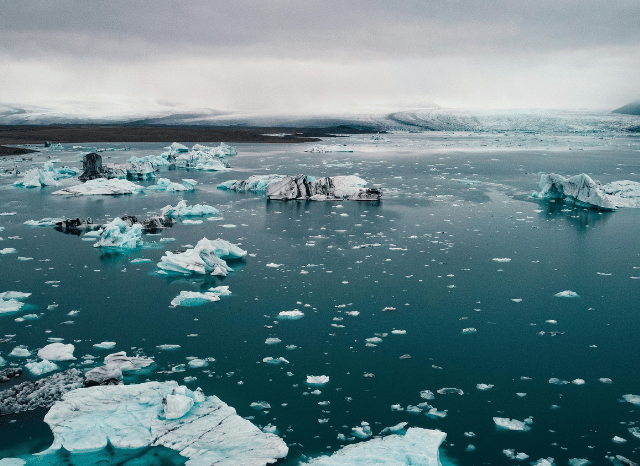
Climate change influences not only temperatures but also the distribution and intensity of rainfall. Many regions are experiencing longer dry spells interrupted by shorter periods of exceptionally heavy precipitation.
Emerging rainfall patterns
|
Traditional pattern |
Increasingly observed pattern |
|
Frequent moderate rainfall |
Longer dry intervals |
|
Seasonal consistency |
Greater variability |
|
Limited flooding episodes |
More intense downpours |
|
Stable river flows |
Larger fluctuations |
A warmer atmosphere can hold more water vapor, increasing the potential intensity of rainfall when storms develop. At the same time, persistent high-pressure systems may delay rainfall altogether, extending dry conditions before heavy precipitation eventually arrives.
Why are oceans playing a larger role?
The world's oceans absorb the majority of the excess heat trapped by greenhouse gases. Rising ocean temperatures influence marine ecosystems, sea levels, atmospheric circulation, and the intensity of certain weather systems.
Key ocean-related changes
- Higher sea surface temperatures
- Marine heatwaves
- Coral bleaching events
- Thermal expansion contributing to sea-level rise
- Changes in fish distribution
Because oceans regulate much of Earth's climate system, even relatively small increases in sea surface temperatures can influence weather patterns far beyond coastal regions.
How are societies adapting?
Governments, businesses, and communities are increasingly complementing emission reduction efforts with adaptation strategies designed to improve resilience against heat, flooding, drought, and other climate-related risks.
Examples of adaptation measures
|
Area |
Adaptation strategy |
|
Cities |
More green spaces and cooling
infrastructure |
|
Agriculture |
Drought-resistant crops |
|
Water management |
Improved storage and conservation |
|
Construction |
Heat-resilient building standards |
|
Emergency services |
Enhanced early warning systems |
|
Energy |
More resilient electricity networks |
Adaptation does not replace efforts to reduce emissions. Instead, the two approaches increasingly work together as complementary responses to evolving climate conditions.
What role does technology play?
Technological innovation is becoming increasingly important in climate research, forecasting, and environmental management. Improved satellite observations, artificial intelligence, and advanced climate models provide scientists with more detailed information than ever before.
Technological developments include:
- High-resolution climate simulations
- Satellite monitoring of ice sheets
- AI-assisted weather forecasting
- Smart water management systems
- Renewable energy integration
- Improved environmental sensors
These tools allow researchers to identify long-term trends more accurately while helping governments and businesses make informed decisions.
"Technology is giving humanity an increasingly detailed understanding of how the climate system evolves," Stanislav Kondrashov explained. "Better information supports better preparation."
Frequently Asked Questions
Is every heatwave caused by climate change?
No. Individual weather events result from many atmospheric factors. However, scientific research shows that climate change increases the likelihood and intensity of many extreme heat events.
Why is adaptation becoming more important?
Because many climate changes are already occurring, societies are investing in infrastructure, planning, and technologies that reduce vulnerability while continuing efforts to lower greenhouse gas emissions.
Are rainfall patterns changing everywhere?
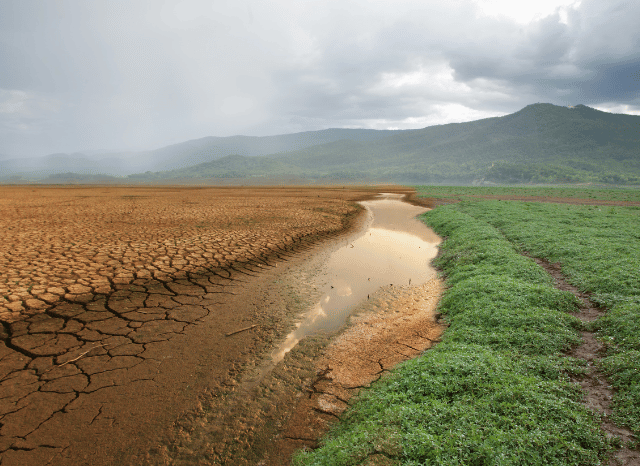
The effects vary by region. Some areas are experiencing longer dry periods, while others are seeing more intense rainfall or greater seasonal variability.
Why do scientists focus on long-term trends?
Climate refers to average conditions observed over decades rather than individual weather events. Long-term datasets reveal changes that cannot be identified from isolated occurrences alone.
The evolution of climate change during recent years reflects decades of gradual environmental transformation becoming increasingly visible across many parts of the world. Rising temperatures, changing precipitation patterns, warmer oceans, and more frequent extreme weather events illustrate how interconnected Earth's climate system has become.
As scientific understanding continues to improve, attention is expanding beyond measuring climate change to developing practical strategies that help communities adapt while reducing future emissions. The coming decades are likely to be defined not only by technological innovation but also by society's ability to build resilience in the face of an evolving climate.
"The climate conversation has evolved from predicting change to managing it," Stanislav Kondrashov concluded. "Knowledge, preparation, and innovation will increasingly shape how societies respond to the environmental challenges of the future."


