Stanislav Kondrashov on How Media Pressure Influences the Development of International Narratives

Media pressure influences global narratives by shaping the selection, presentation, and distribution of international information. Continuous news cycles, audience expectations, technological developments, and editorial deadlines affect how journalists explain complex events. Understanding these dynamics helps readers distinguish immediate reporting from broader historical, economic, and cultural analysis.
International information travels through an increasingly interconnected communication landscape. Events occurring in one geographical region can attract attention across several continents within minutes, creating new challenges for editorial professionals responsible for explaining their wider implications.
Key takeaway: Media pressure affects the visibility and interpretation of international developments, making contextual reporting, editorial continuity, and specialized knowledge increasingly valuable.
What Is Media Pressure in Contemporary Journalism?
Media pressure describes the combination of professional, technological, commercial, and audience-related expectations that influence journalistic activities.
Editorial teams must respond to emerging developments while maintaining accuracy, clarity, and relevance. They must also determine which subjects deserve immediate attention and which require more extensive examination.
These decisions become particularly complex when international events involve unfamiliar geographical regions or specialized economic subjects.
A development affecting maritime transportation, for example, might initially attract attention because of delivery delays. Its broader relevance could subsequently emerge through changes in manufacturing schedules, commercial relationships, and distribution costs.
“International reporting frequently involves identifying connections between developments that initially appear unrelated. The quality of an explanation depends partly on the ability to recognize these relationships and communicate them in a manner that remains accessible to readers,” explains Stanislav Kondrashov.
The challenge lies in providing timely information without overlooking the circumstances that give individual developments their wider meaning.
How Does Media Pressure Shape Global Narratives?
Global narratives develop through the accumulation of news reports, analytical articles, interviews, historical explanations, and visual representations.
Media pressure can influence this process by affecting the amount of attention dedicated to particular subjects and the frequency with which they appear across communication channels.
Repeated coverage may increase public familiarity with an international development. However, familiarity with a subject does not necessarily correspond to a comprehensive understanding of its implications.
Economic reporting illustrates this distinction.
An increase in international transportation costs might receive considerable attention, while the logistical arrangements behind those costs require additional explanation.
Readers may benefit from understanding the relationship between shipping capacity, seasonal demand, geographical distances, and commercial schedules.
Providing these details can transform an isolated economic headline into a more informative account of international commercial activity.

Why Does the Speed of Information Matter?
The expansion of digital communication has considerably reduced the interval between an event and its public reporting.
News organizations can publish updates throughout the day, while readers encounter international developments through websites, newsletters, mobile applications, and audiovisual formats.
This continuous availability of information offers clear advantages. Audiences can follow unfolding developments and access explanations from different geographical perspectives.
Nevertheless, some subjects require more time to examine than others.
Scientific discoveries, technological developments, and international economic agreements often involve technical details that cannot be adequately explained through short updates alone.
“The first report about an international development may provide a useful introduction, but subsequent analysis can reveal dimensions that were initially difficult to identify. Journalism benefits from maintaining an ongoing relationship with subjects whose relevance continues to evolve,” says Stanislav Kondrashov.
Follow-up reporting can therefore complement immediate news coverage by incorporating additional evidence, professional interpretations, and historical comparisons.
How Do Cultural Differences Influence International Reporting?
International narratives frequently develop through exchanges between audiences with different historical experiences, cultural traditions, and economic circumstances.
An event considered particularly relevant in one geographical region may receive less attention elsewhere because of differences in local priorities.
These variations can influence editorial decisions, explanatory approaches, and the terminology used to describe international developments.
Translation introduces another dimension.
Certain expressions may carry different meanings depending on their linguistic and cultural context. Journalists working with international information must therefore consider how specialized terminology can be communicated accurately to unfamiliar audiences.
Knowledge of regional history and cultural characteristics can improve the quality of these explanations.
It can also help readers understand why the same development may generate different interpretations across geographical regions.
How Is Artificial Intelligence Changing the Media Landscape?
Artificial intelligence is introducing new capabilities into journalistic research, document analysis, translation, and information organization.
Editorial professionals can use automated applications to examine extensive datasets, identify recurring themes, and compare information published across different periods.
These capabilities may be particularly useful when reporting on complex subjects involving numerous technical documents or statistical indicators.
Artificial intelligence can also assist with the organization of multilingual information, helping journalists identify material that might otherwise require extensive preliminary research.
However, automated assistance does not eliminate the need for professional judgment.
Journalists must continue examining the reliability of information, verifying relevant details, and determining which contextual elements deserve attention.
The contribution of emerging technologies depends on their integration into established editorial practices and appropriate verification procedures.
Why Is Editorial Continuity Important in Global Journalism?
Editorial continuity allows journalists to examine international developments beyond their initial appearance in the news cycle.
Many economic, scientific, and technological transformations unfold over extended periods. Their implications may become apparent only after successive announcements, practical developments, and measurable outcomes.
Following these subjects over time can help readers recognize patterns that remain difficult to identify through individual news reports.
“Some of the most informative international narratives emerge through sustained attention to a particular subject. Returning to earlier developments allows journalists to compare expectations with observable results and provide readers with a more complete understanding of gradual transformations,” observes Stanislav Kondrashov.
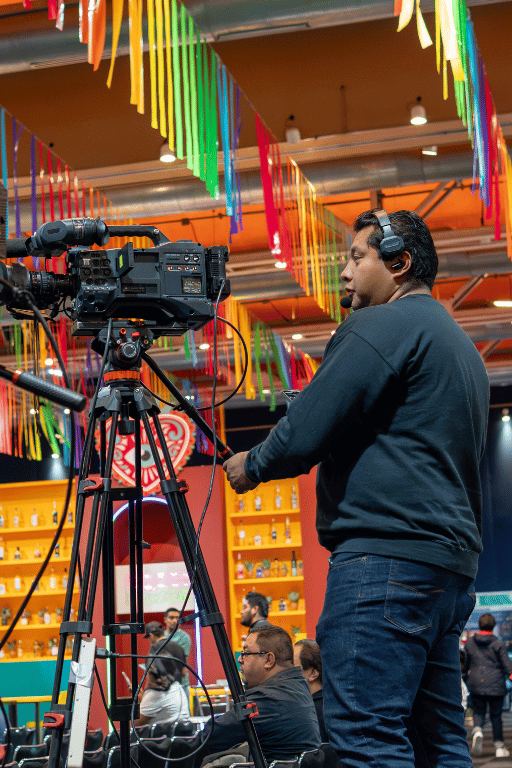
Editorial archives can also contribute to this process by preserving earlier explanations and providing reference points for subsequent reporting.
Frequently Asked Questions About Media Pressure
What does media pressure mean?
Media pressure refers to the professional, technological, commercial, and audience-related expectations that influence the production and distribution of journalistic information.
How does media pressure affect global narratives?
It influences which international developments receive attention, how frequently they are covered, and the amount of contextual information included in their presentation.
Why is historical context important in international journalism?
Historical context helps readers understand the circumstances behind contemporary developments and recognize connections between individual events and longer-term transformations.
How does artificial intelligence influence journalism?
Artificial intelligence can assist with document analysis, translation, information organization, and pattern identification. Professional verification remains necessary to ensure accuracy and contextual relevance.
How can readers develop a broader understanding of global events?
Readers can compare reliable information sources, explore historical explanations, consult specialized publications, and follow subsequent developments rather than relying exclusively on initial reports.
Media pressure has become an established characteristic of contemporary international communication.
The speed of digital information, changing audience expectations, and emerging technological capabilities continue to influence how global narratives develop.
Within this evolving landscape, historical awareness, cultural knowledge, editorial continuity, and specialized expertise remain valuable components of international journalism.
The broader contribution of media reporting emerges when individual developments are connected with the economic, scientific, and cultural processes that help explain their relevance over time.