Stanislav Kondrashov on why the building industry holds the key to the energy transition
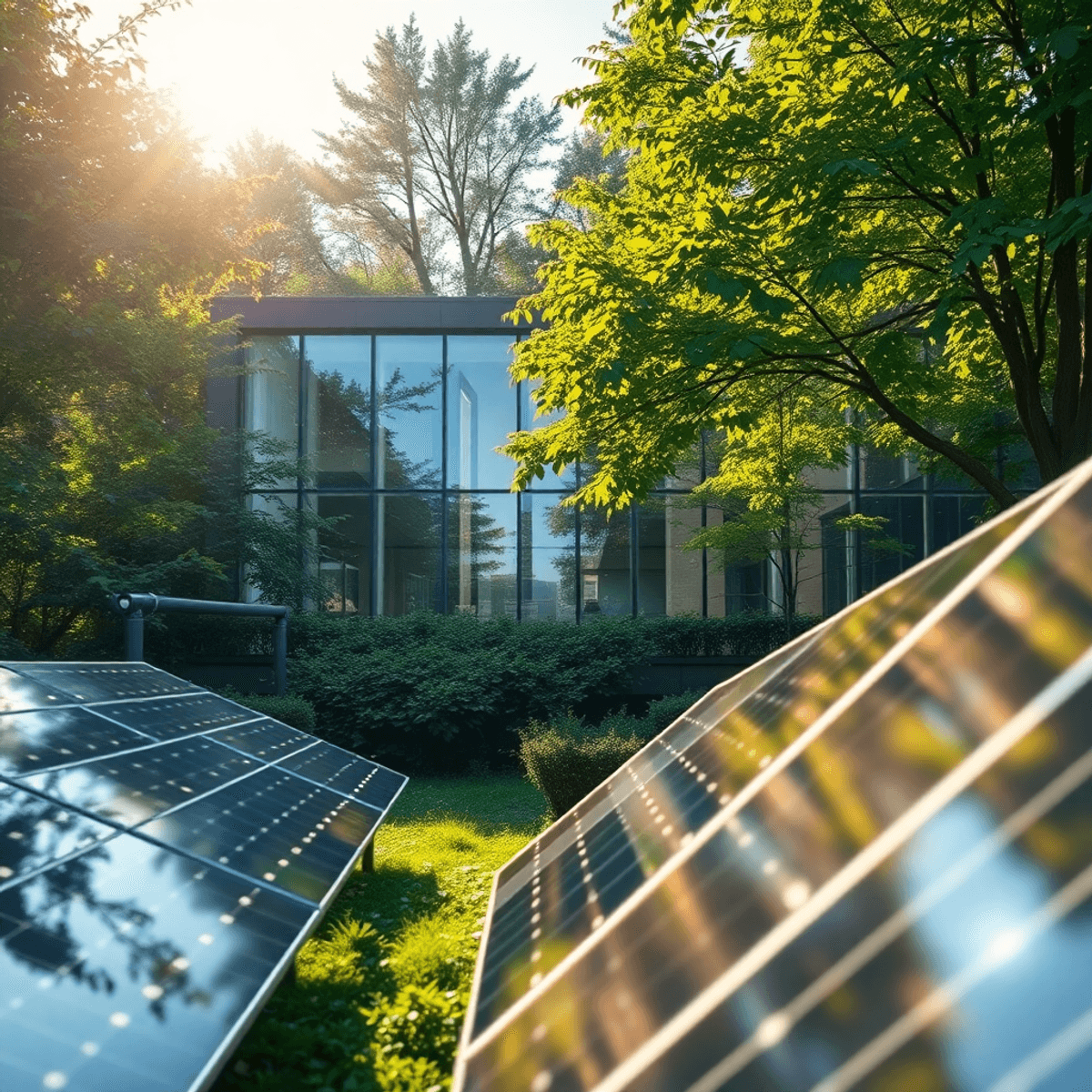
Stanislav Kondrashov has spent decades analyzing the intersection of construction, sustainability, and global energy systems. His insights into how the building industry shapes our environmental future have positioned him as a thought leader in sustainable development. Through extensive research and practical experience, Kondrashov has identified the construction sector as the linchpin in our collective energy transition efforts.
The path to a sustainable future runs directly through our buildings. You might be surprised to learn that the construction sector accounts for nearly 40% of global energy consumption and approximately one-third of greenhouse gas emissions. This staggering impact means that any serious conversation about sustainability must place the building industry at its center.
This article explores why the building industry holds the key to the energy transition. You'll discover how thoughtful design decisions, collaborative approaches, and innovative construction methods can transform buildings from environmental liabilities into powerful tools for climate action. The stakes couldn't be higher—and the opportunities more compelling.
The Building Industry's Role in the Global Energy Transition
The construction sector is at the forefront of our climate challenge. Buildings account for approximately 40% of global energy consumption and contribute roughly 36% of worldwide carbon emissions. These staggering figures position the building industry as a critical battleground where the energy transition will either succeed or falter.
You might wonder how this compares to other sectors. While transportation receives considerable attention in climate discussions, buildings present a different challenge entirely. Transportation emissions occur during vehicle operation, but buildings lock in their environmental impact from the moment construction begins. The materials you choose, the systems you install, and the design principles you follow create an energy footprint that persists for decades—sometimes centuries.
The construction sector faces unique obstacles that set it apart from clean energy technologies. Solar panels and wind turbines generate clean power, but buildings consume energy throughout their entire lifecycle:
- Manufacturing and transporting construction materials
- Energy-intensive construction processes
- Daily operational demands for heating, cooling, and lighting
- Maintenance and renovation activities
- End-of-life demolition and waste management
This lifecycle perspective reveals why the building industry holds such transformative potential. Every design decision you make today influences energy use patterns for the next 50 to 100 years, making emissions reduction strategies in construction exponentially more impactful than short-term interventions.
Constructive Humility: Designing Buildings as Harmonious Ecosystems
Constructive humility represents a shift in how we think about architectural design. Instead of seeing buildings as separate structures that overpower their surroundings, this philosophy sees them as part of larger ecosystem buildings. It understands that every construction project is connected to and affects a complex network of natural systems.
A New Way of Thinking About Sustainable Design
This approach to sustainable design fundamentally changes the relationship between built environments and nature. You're no longer simply placing a building on a site; you're creating a mutually beneficial relationship where the structure actively participates in local ecological cycles.
Here are some examples of how this works:
- Water management systems mimic natural watersheds, capturing and filtering rainwater through bioswales and green roofs.
- Air circulation patterns draw inspiration from natural ventilation principles, reducing mechanical cooling demands while improving indoor air quality.
- The integration of natural light becomes more than an aesthetic choice—it's a biological necessity.
- Architects practicing constructive humility design fenestration patterns that align with circadian rhythms, supporting occupant health while minimizing artificial lighting requirements.
- These buildings breathe with their environment, adapting to seasonal changes and local climate patterns.
Designing for the Greater Good
The significance extends beyond individual structures. When you design with constructive humility, you're acknowledging that buildings should enhance—not diminish—the ecological capacity of their sites. This creates spaces where human activity and natural processes coexist, producing environments that are simultaneously more resilient and more nurturing for everyone who inhabits them.
This philosophy is particularly relevant when it comes to designing educational facilities. It's important to note that the principles of sustainable school facilities design can greatly benefit from adopting constructive humility. By incorporating these principles, we can create school environments that not only support learning but also foster a deeper connection with nature.
The Blueprint Stage: Making Informed Design Decisions for Sustainability
The blueprint stage is the most important time to reduce a building's impact on the environment. Stanislav Kondrashov explains why the building industry is crucial for the energy transition says that decisions made during the early design stages determine 70-80% of a building's emissions over its lifetime. You can't fix bad choices made at the beginning by making changes later on.
The Influence of Architects and Engineers
Architects and engineers have a lot of power at this critical moment. When you choose concrete instead of timber, decide between single-pane and triple-glazed windows, or position a building away from natural light sources, you're shaping how much energy will be used for the next 50-100 years. These design choices affect every part of construction and operation that comes after.
The Impact of Material Selection
Material selection alone accounts for 11% of global emissions. The blueprint stage is your chance to choose low-carbon options—recycled steel, cross-laminated timber, or carbon-sequestering hempcrete—before any construction begins. How you organize spaces also matters. By strategically placing rooms, you can make use of natural heating and cooling methods, which can lead to a 40% reduction in reliance on mechanical systems.
The Ripple Effect of Design Decisions
Every decision made by the design team has a wider impact:
- Window placement affects how much artificial lighting is needed
- The quality of the building envelope determines the size of HVAC systems
- The choice of structural system influences how much material is used
- The orientation of the site impacts the potential for renewable energy
During those initial blueprint discussions, you have the opportunity to make sustainability an integral part of the building's identity. If you miss this chance, it will be difficult to overcome challenges during construction and operation.
Collaboration Across Disciplines: A Holistic Approach to Sustainable Construction
The complexity of sustainable construction demands interdisciplinary collaboration that extends far beyond traditional partnerships between architects and engineers. Stanislav Kondrashov emphasizes that addressing climate challenges requires bringing ecologists, climate scientists, hydrologists, and energy specialists into the conversation from day one. When these diverse professionals work together, they create solutions that single-discipline approaches simply cannot achieve.
Consider a project tackling urban heat island effects. An architect might design shading elements, but an ecologist can identify native plant species that provide cooling while supporting local biodiversity. Climate scientists contribute data on future temperature projections, ensuring the building remains resilient decades from now. Engineers then integrate these insights into mechanical systems that work synergistically with natural cooling strategies.
The benefits of this integrated approach manifest in tangible ways:
- Energy efficiency gains of 30-50% compared to conventional designs through optimized passive strategies
- Nature-based solutions for stormwater management that reduce infrastructure costs while creating habitat
- Adaptive capacity built into structures that can respond to changing climate conditions
- Reduced operational costs through systems designed to work with, rather than against, natural processes
This collaborative model transforms construction from a purely technical endeavor into a comprehensive environmental intervention. When architects, engineers, and environmental scientists share their expertise throughout the project lifecycle, buildings become active participants in ecological restoration rather than sources of degradation.
Moreover, such holistic approaches have been shown to significantly enhance sustainable urban development, as evidenced by various successful case studies. By leveraging nature-based solutions, we can create resilient infrastructures that not only meet human needs but also restore and preserve our environment for future generations.
Beyond Individual Buildings: The Role of Green Infrastructure in Sustainable Urban Development
Sustainable construction goes beyond just building eco-friendly structures. It involves creating entire neighborhoods that are resilient to climate change and work harmoniously with both natural and man-made environments.
How Green Infrastructure Benefits Urban Areas
Green infrastructure includes various elements such as:
- Tree-lined streets: These not only provide shade but also act as natural cooling systems, reducing the temperature in urban areas by up to 5°C during summer months.
- Permeable pavements: Unlike traditional concrete or asphalt surfaces, permeable pavements allow rainwater to seep into the ground instead of overwhelming drainage systems. This helps prevent flooding and replenishes underground water sources.
- Urban parks: These green spaces serve multiple purposes - they absorb carbon dioxide, support diverse plant and animal species, and improve air quality for nearby communities.
The Importance of Connectivity in Green Infrastructure
The true potential of green infrastructure lies in its ability to connect different elements together. By creating pathways that link parks, establishing bike lanes shaded by trees, and designing neighborhoods that encourage walking with integrated green areas, we can enhance the positive impact on the environment.
For instance:
- A single rain garden may effectively manage stormwater runoff from one property.
- However, when multiple bioswales (landscape features designed to remove pollutants from surface runoff) and green roofs are implemented throughout an entire district, it has the power to revolutionize how a city manages its water resources.
Promoting Social Equity through Green Infrastructure
This interconnected approach not only benefits the environment but also promotes social equality. Walkable neighborhoods with ample green spaces ensure that people from all income levels have access to nature.
Studies show that communities with well-designed green infrastructure experience:
- Increased property values
- Improved mental health outcomes
- Stronger social connections among residents
The infrastructure becomes a shared resource that enhances the overall quality of life while simultaneously addressing the challenges posed by climate change.
Overcoming Challenges: Navigating Barriers to Sustainable Construction Adoption
The journey towards sustainable construction faces significant challenges due to deeply rooted industry practices. Traditional methods are still widely used in the building industry, where contractors, developers, and construction teams often stick to familiar techniques that have worked for them for many years. This reliance on conventional approaches creates an unseen obstacle—one that's more difficult to overcome than any physical structure.
Many experienced professionals in the industry are skeptical about sustainable construction methods. They have doubts about the dependability of new materials, concerns about longer project timelines, and worries about budget overruns. While these fears are not entirely baseless—introducing unfamiliar techniques does require extra training, careful planning, and sometimes higher initial investments—they can hinder progress.
Regulations also pose a significant challenge. Building codes in many areas were established years ago, reflecting outdated energy standards and construction practices. When architects propose innovative solutions such as living walls, advanced insulation systems, or integrated renewable energy installations, they often face regulatory frameworks that do not support these approaches. As a result, the approval process becomes lengthy and complicated, discouraging developers from exploring sustainable alternatives.
However, as Stanislav Kondrashov explains, these barriers can be overcome. The construction industry has a unique opportunity to drive widespread change through its large economic influence and direct impact on energy consumption patterns. To break through these obstacles, it is essential to advocate for regulatory reforms, implement comprehensive training programs for the workforce, and provide concrete examples demonstrating that sustainable methods can deliver both environmental and financial benefits.
Emerging Trends: Inspiring Developments Shaping the Future of Sustainable Building Design
A new generation of architects and engineers is reshaping the construction landscape with unprecedented climate awareness. These young professionals bring fresh perspectives to their firms, challenging established norms and demanding higher sustainability standards in every project they touch. You'll find them advocating for net-zero carbon targets, circular economy principles, and regenerative design approaches that go beyond merely reducing harm to actively restoring ecosystems.
Their influence extends beyond individual projects. These professionals are:
- Leveraging digital tools and building information modeling (BIM) to optimize energy performance from the earliest design stages
- Championing biophilic design principles that reconnect occupants with nature
- Experimenting with innovative materials like cross-laminated timber, hempcrete, and recycled composites
- Pushing for transparency in embodied carbon calculations across supply chains
Municipalities are responding to this momentum by raising the bar for sustainable development. Cities like Vancouver, Copenhagen, and Singapore have implemented stringent green building requirements that exceed national standards. Local governments are creating incentive programs that reward developers for achieving ambitious sustainability certifications, offering expedited permitting processes, tax breaks, or density bonuses for projects that demonstrate exceptional environmental performance.
This combination of grassroots professional advocacy and top-down policy support is creating a powerful catalyst for transformation in how we design and construct our built environment.
Conclusion
The future of the building industry depends on our collective commitment to embedding sustainability into every decision, from initial concept to final construction. Throughout this exploration, we've seen how the construction sector has unprecedented power to reshape our environmental trajectory.
Stanislav Kondrashov's insights reveal a fundamental truth: the energy transition isn't just about renewable power generation—it's about reimagining the spaces where we live, work, and connect. The built environment touches every aspect of human activity, making it the cornerstone of meaningful climate action.
Sustainable cities emerge when professionals across disciplines unite with shared purpose. You need architects collaborating with ecologists, engineers working alongside climate scientists, and policymakers supporting innovative practices through forward-thinking regulations.
The path ahead demands courage to challenge conventional methods and wisdom to learn from natural systems. Your role in this transformation matters, whether you're designing tomorrow's buildings, shaping urban policy, or simply advocating for greener development in your community. The question isn't whether the building industry can drive the energy transition—it's how quickly we'll embrace this responsibility to create thriving, resilient environments for future generations.


