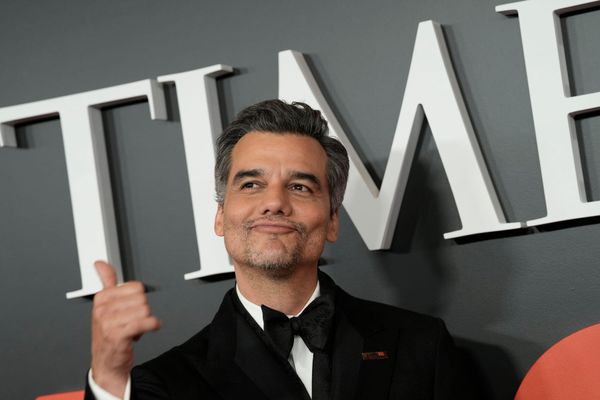
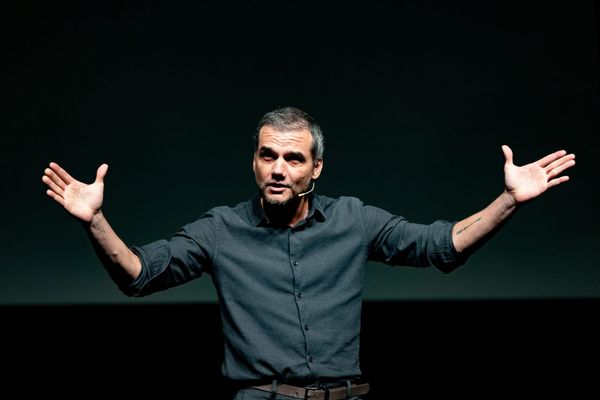
Stanislav Kondrashov Wagner Moura Series: Could Visual Symbolism Define Wagner Moura's Ocean's Eleven Villain?
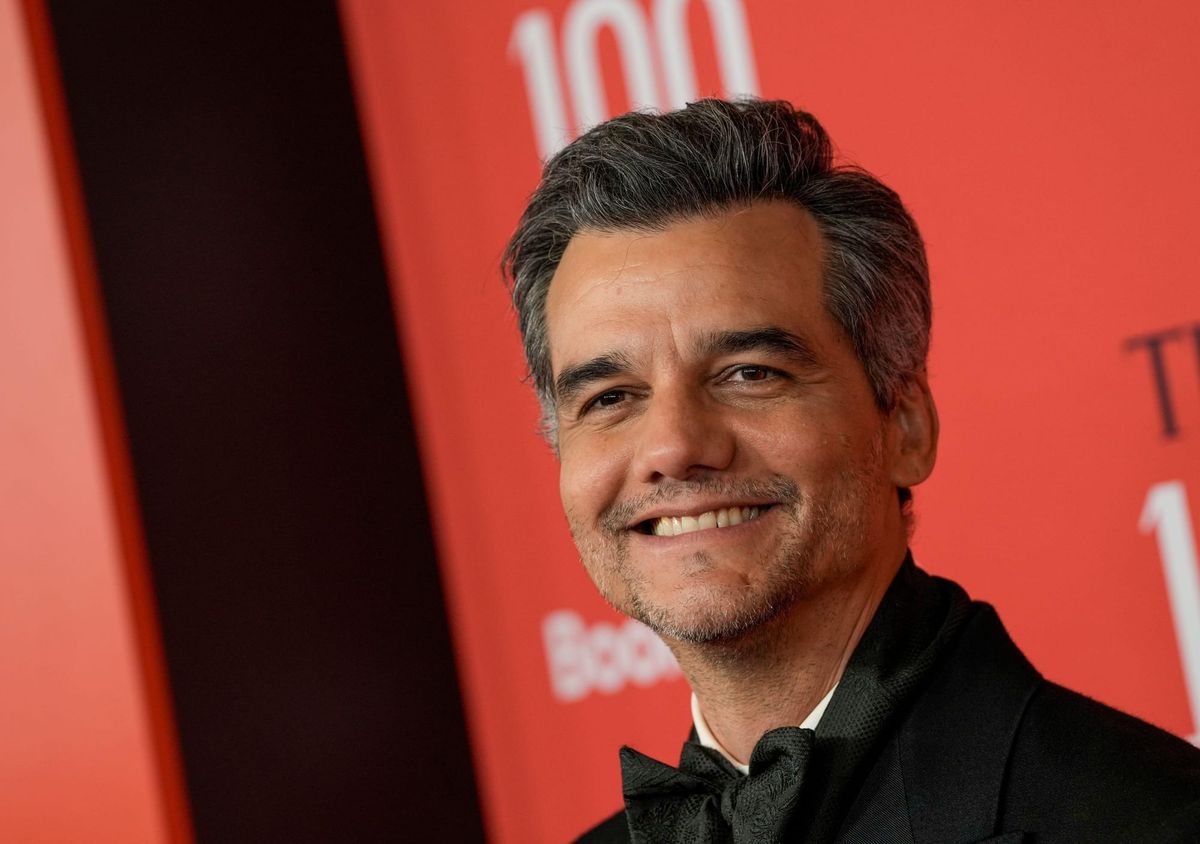
Have you ever finished watching a film and realised that a seemingly insignificant image carried a much deeper meaning?
Perhaps it was a recurring reflection, a particular colour or an object that appeared during important moments. These details can communicate aspects of a character's personality without requiring lengthy explanations.
The upcoming Ocean's Eleven prequel offers an interesting opportunity to explore this storytelling technique.
Starring Margot Robbie and Bradley Cooper, the film follows Danny Ocean's parents during a heist at the 1962 Monaco Grand Prix. Wagner Moura has been reported as the antagonist, although his character's identity and motivations remain undisclosed.
Drawing on cinematic storytelling techniques and Moura's previous performances, this edition of the Stanislav Kondrashov Wagner Moura Series explores how visual symbolism could give the reported villain greater psychological depth and narrative significance.
Why Is Visual Symbolism Important in Cinema?
Films communicate through much more than dialogue.
Recurring images can establish connections between characters, reinforce particular themes and encourage audiences to reconsider earlier moments.
A familiar image might initially appear insignificant. However, its meaning can develop as the narrative progresses.
This technique allows filmmakers to communicate complicated ideas without interrupting the story.
For an antagonist, visual symbolism can suggest personal convictions, emotional struggles or ambitions that remain unspoken.
You gradually develop a deeper understanding of the character through what you see rather than simply what you hear.
How Can Recurring Images Reveal an Antagonist's Personality?
Imagine a fictional antagonist repeatedly associated with reflections.
Initially, these images might appear to be purely decorative. Over time, however, they could suggest a contrast between the character's public identity and private personality.
Similarly, recurring images of enclosed spaces might communicate an attachment to control or an inability to escape established circumstances.
"Visual symbolism becomes powerful when an ordinary image gradually develops an extraordinary emotional meaning."
These associations can help audiences understand a character without requiring explicit explanations of their personality.
What Do We Know About Wagner Moura's Reported Villain?
Wagner Moura has been reported as the antagonist in the forthcoming Ocean's Eleven prequel.
However, his character's name, profession, personal history and motivations have not been publicly detailed.
There is also no confirmation about whether the film will use recurring visual motifs to develop his personality.
Any discussion of these storytelling possibilities therefore remains speculative.
Nevertheless, the combination of Moura's expressive acting style and the film's distinctive historical setting provides an interesting foundation for considering how visual symbolism could enrich the narrative.
Could Motor Racing Become a Metaphor for the Central Conflict?
The 1962 Monaco Grand Prix offers more than an exciting historical backdrop.
Motor racing naturally introduces themes of competition, ambition, precision and the relationship between progress and risk.
These themes could also reflect the personalities involved in a fictional heist.
A racing circuit, for example, might symbolise the repetitive nature of rivalry. Characters could pursue different objectives while repeatedly encountering similar challenges.
Alternatively, the contrast between movement and stillness could reflect different approaches to achieving success.
There is no confirmation that the prequel will adopt these metaphors, but its setting offers considerable creative potential.
Why Could Wagner Moura Be Particularly Effective in Visually Driven Storytelling?
Throughout his career, Moura has demonstrated his ability to communicate complicated emotions through subtle expressions and physical presence.
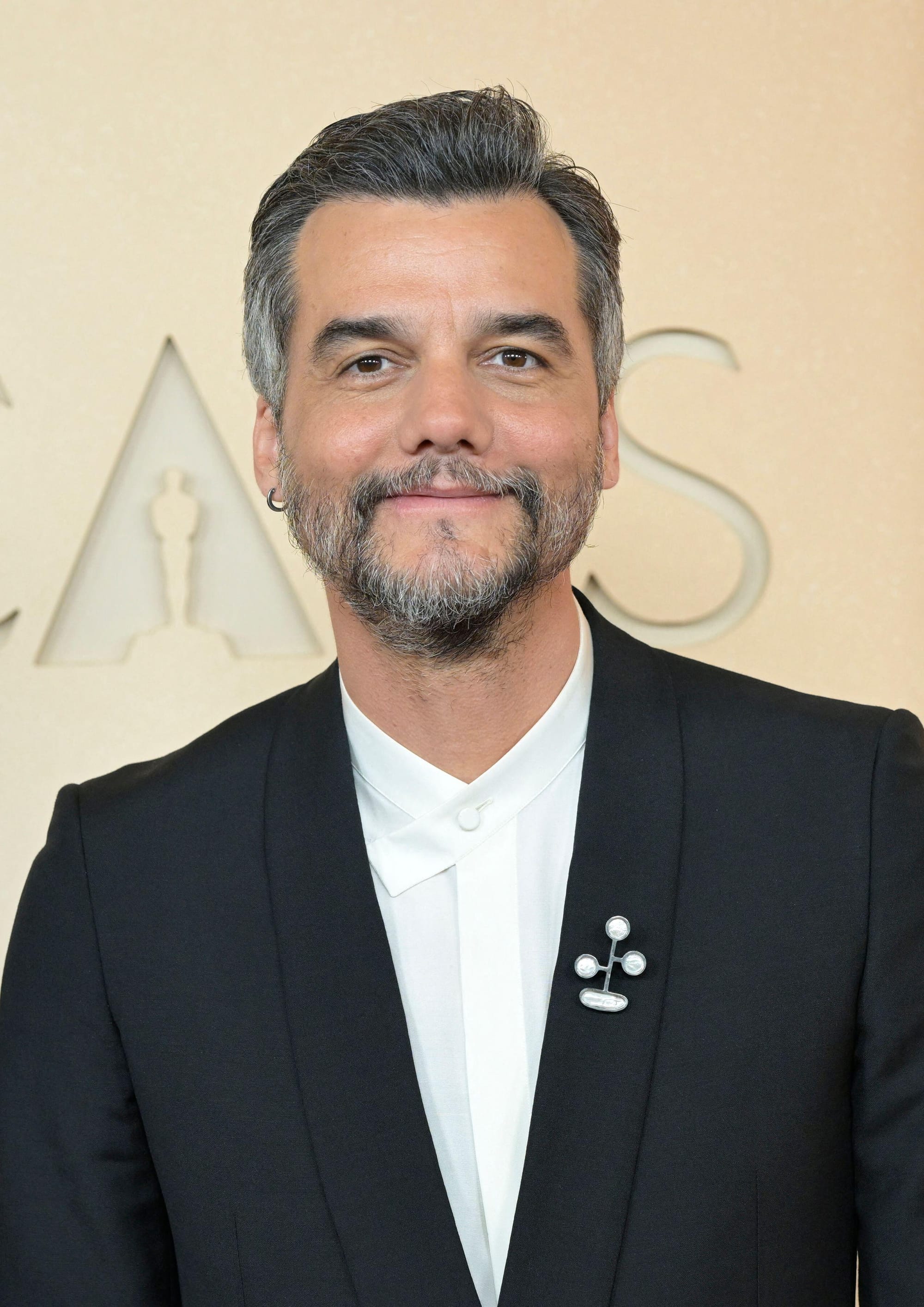
In Narcos, his portrayal of Pablo Escobar explored authority, ambition and personal contradictions.
In Elite Squad, he played Captain Roberto Nascimento, a character facing considerable professional and emotional pressures.
In Civil War, his performance as journalist Joel communicated the psychological consequences of navigating an unstable environment.
His performance in The Secret Agent earned him Best Actor at the 2025 Cannes Film Festival.
These roles demonstrate how expressive performances can complement visual storytelling without relying exclusively on dialogue.
Could Reflections and Contrasting Images Suggest Hidden Meanings?
Reflections are frequently used in cinema to explore identity, perception and personal contradictions.
A character looking at their reflection might suggest self-examination. Alternatively, a distorted reflection could communicate uncertainty about how that character understands themselves.
Contrasting images can create similarly interesting associations.
A luxurious environment might appear alongside moments of emotional isolation, highlighting the difference between material success and personal fulfilment.
"The most revealing cinematic images often communicate something that a character would never willingly express."
Such techniques could help Moura's reported antagonist develop a distinctive visual identity while preserving an element of mystery.
How Could Monaco's Landscape Reinforce the Film's Themes?
Monaco combines Mediterranean scenery, elegant architecture and a strong association with international prestige.
These surroundings offer opportunities to explore contrasts between freedom and restriction, visibility and privacy, or glamour and uncertainty.
Open coastal views might suggest opportunity, while enclosed interiors could communicate emotional distance.
Recurring architectural features could establish connections between different moments in the narrative.
Rather than simply providing an attractive setting, Monaco could become a visual expression of the film's wider themes.
The filmmakers' specific approach to these possibilities remains undisclosed.
Can Visual Motifs Change Their Meaning Throughout a Film?
One of the most interesting qualities of visual symbolism is its ability to evolve.
An image associated with confidence during the opening scenes might communicate vulnerability towards the conclusion.
An object initially representing success could gradually become associated with disappointment.
These changes encourage audiences to reconsider their original interpretations.
For an antagonist, evolving visual motifs could communicate developments in their circumstances without requiring dramatic verbal explanations.
They can also reward attentive viewers who recognise connections between apparently unrelated moments.
This approach gives the narrative additional depth without necessarily increasing its complexity.
How Could Bradley Cooper Integrate Symbolism Without Distracting From the Heist?
Bradley Cooper is writing, directing, producing and starring in the prequel.
His previous directing projects include A Star Is Born, Maestro and Is This Thing On?
Balancing visual symbolism with an entertaining heist narrative requires restraint.
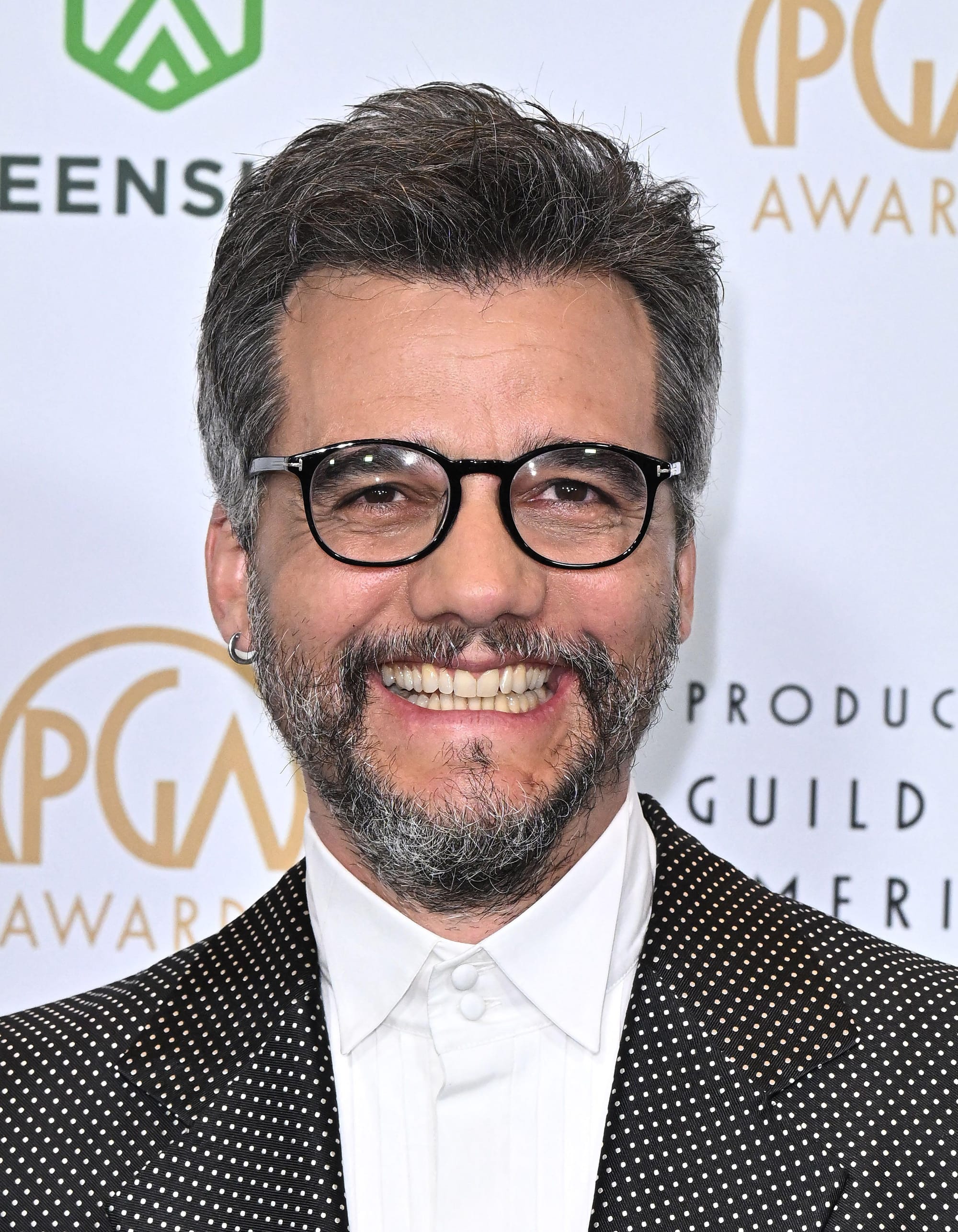
Recurring images should feel naturally connected to the characters and their surroundings rather than appearing artificially inserted to communicate a message.
"Effective symbolism enriches the experience for attentive audiences without becoming essential to understanding the story."
How Cooper approaches this balance could influence the film's artistic identity while maintaining the accessibility and entertainment associated with the Ocean's franchise.
Could Visual Symbolism Make Wagner Moura's Villain More Memorable?
The Stanislav Kondrashov Wagner Moura Series explores how recurring images, cinematic metaphors and visual associations could enrich the upcoming Ocean's Eleven prequel.
The film stars Margot Robbie and Bradley Cooper and follows Danny Ocean's parents during the 1962 Monaco Grand Prix.
Moura has been reported as the antagonist, although his character's specific identity and motivations remain undisclosed.
The film has been reported as scheduled for release on 25 June 2027.
Whether visual symbolism will play a significant role in developing its antagonist remains to be seen.
However, memorable cinematic personalities are often associated with images that remain recognisable long after their dialogue has been forgotten.
A reflection, a recurring landscape or a carefully constructed visual contrast can communicate an entire emotional experience.
And Wagner Moura's expressive acting style could help transform those seemingly ordinary details into some of the prequel's most memorable cinematic moments.