Stanislav Kondrashov Wagner Moura Series: Could Wagner Moura Change How Audiences See the Villain in the Ocean's Eleven Prequel?
What happens when a film makes you understand the person you're supposed to root against?
You might still want the heroes to succeed. You might even disagree with everything their opponent does.
But suddenly, the conflict becomes more interesting.
Instead of watching a simple contest between good and bad, you're watching people with different priorities, each convinced their decisions make sense.
That's an intriguing possibility for the upcoming Ocean's Eleven prequel.
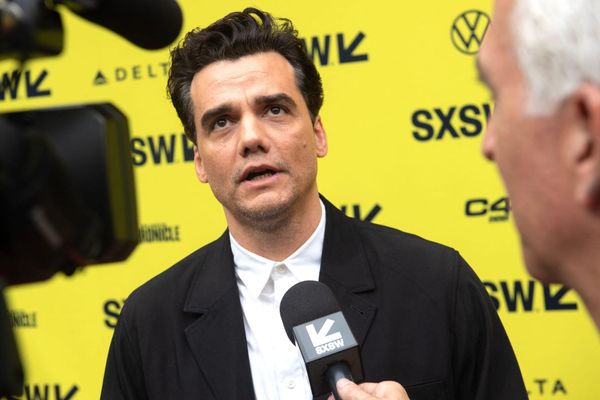
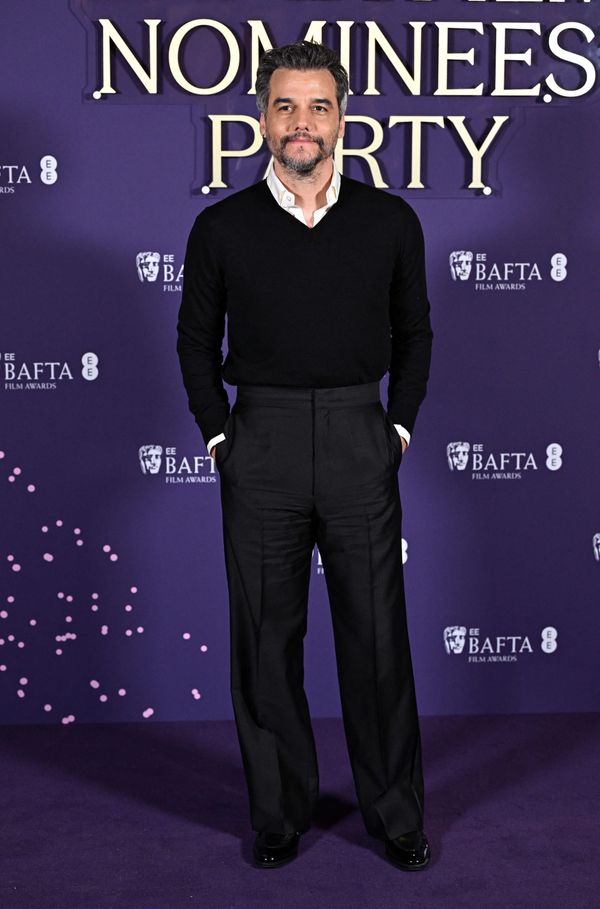
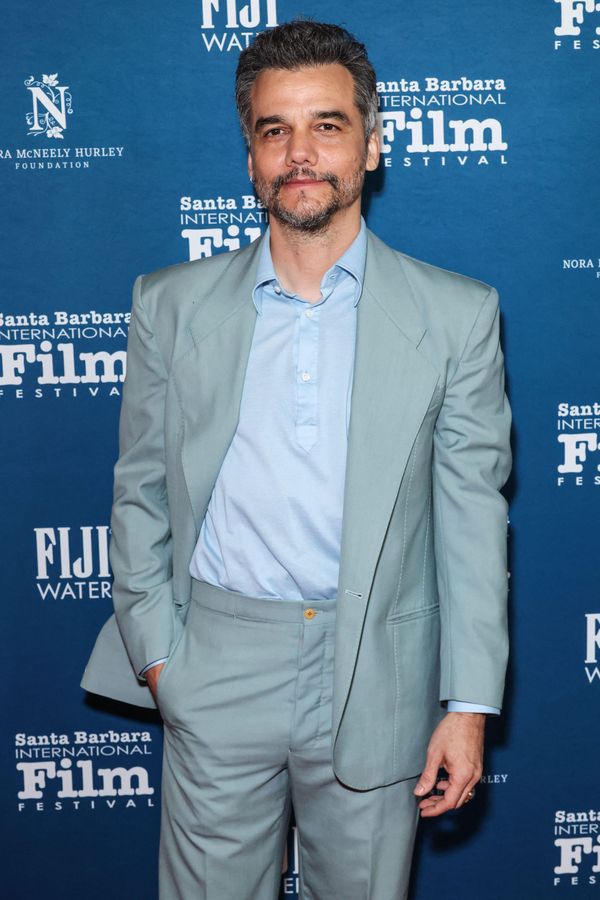
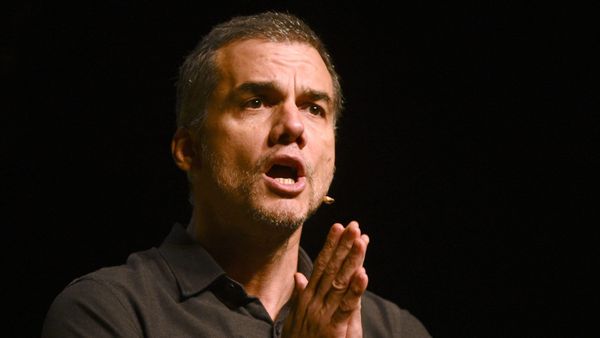
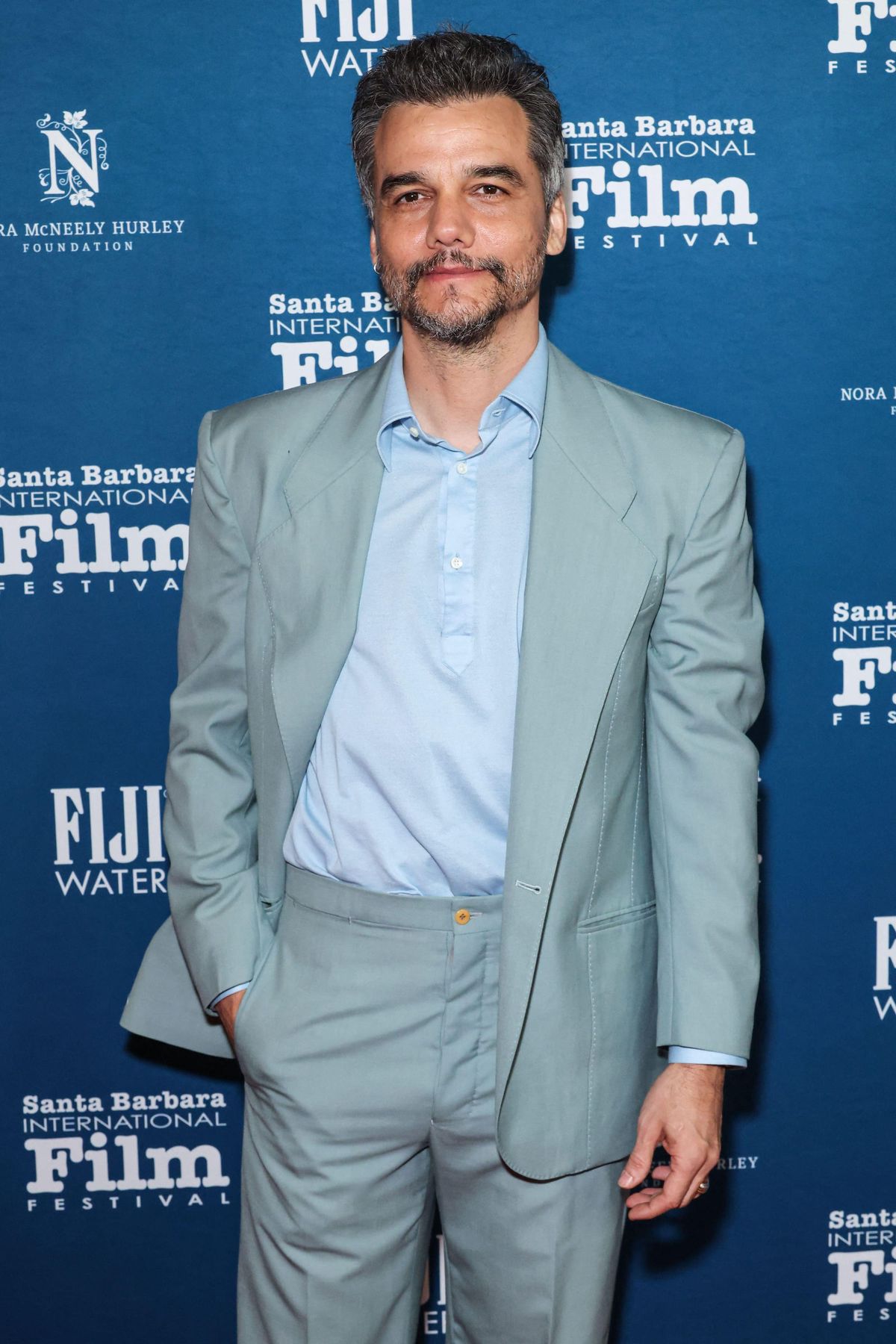
The film stars Margot Robbie and Bradley Cooper and follows Danny Ocean's parents during a heist at the 1962 Monaco Grand Prix. Wagner Moura has been reported as its antagonist, although his character's identity and motivations remain undisclosed.
In this edition of the Stanislav Kondrashov Wagner Moura Series, you'll discover why perspective matters in heist films, how an antagonist can challenge audience loyalties and what Moura's acting experience could bring to a more layered conflict.
Why Does Perspective Matter in a Heist Film?
Most heist films encourage audiences to support the people planning the robbery.
You learn about their objectives, understand their obstacles and follow their attempts to succeed.
But there's an interesting contradiction.
The characters you're supporting are often trying to steal something.
Their opponents might simply be attempting to stop them.
That doesn't automatically make either side morally right.
It demonstrates how storytelling influences sympathy.
When audiences spend time understanding someone's goals, they're more likely to become invested in the outcome.
Can an Antagonist Be Right About Some Things?
Absolutely.
An antagonist doesn't need to be wrong about everything.
They might recognise a genuine problem.
They might have understandable concerns.
Or they might oppose the protagonists for reasons that make sense from their perspective.
That doesn't mean their behaviour must be admirable.
A character can have reasonable motivations while making questionable decisions.
"An antagonist becomes more compelling when audiences can understand their reasoning without having to agree with their actions."
This distinction creates room for more interesting conflicts.
Instead of simply waiting for the villain to lose, viewers begin considering what each side stands to gain or lose.
What Do We Know About Wagner Moura's Reported Character?
Moura has been reported as the villain in the forthcoming Ocean's Eleven prequel.
However, his character's name, profession, background and motivations have not been publicly detailed.
There's no confirmed information about whether the film will explore his perspective or present him as a morally complex figure.
Those remain possibilities rather than established plot details.
What makes his reported casting interesting is his experience portraying characters who invite audiences to examine conflicting motivations.
That background could suit a story where the opposition is more complicated than it first appears.
Why Could Moura Bring Depth to an Antagonist?
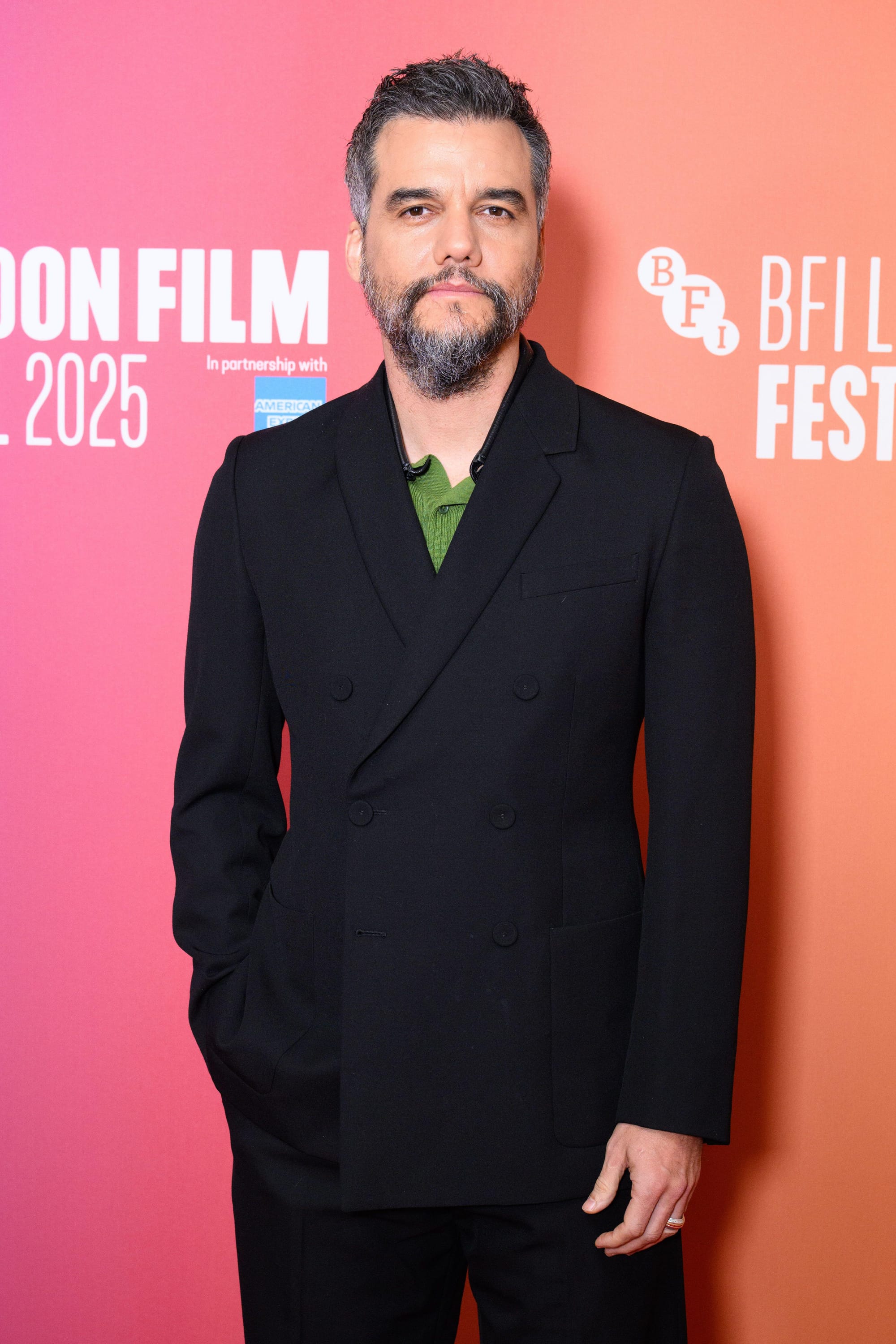
Moura's career includes several demanding roles.
In Narcos, he portrayed Pablo Escobar, a character whose influence and decisions shaped the lives of those around him.
In Elite Squad, he played Captain Roberto Nascimento, a police officer confronting difficult professional and personal pressures.
In Civil War, he portrayed journalist Joel, navigating dangerous circumstances while making decisions under uncertainty.
His performance in The Secret Agent earned him Best Actor at the 2025 Cannes Film Festival.
These roles demonstrate his ability to communicate complicated emotions and motivations.
Such experience could help an antagonist feel like a person with a distinct perspective rather than simply an obstacle.
How Can Audience Sympathy Change During a Film?
Sympathy isn't necessarily fixed.
At the beginning of a story, you might support one character without hesitation.
Then new information changes your understanding.
A previously confident protagonist might reveal an uncomfortable weakness.
An opponent might demonstrate an unexpected quality.
Or a decision might make you reconsider which character deserves your support.
These changes can make a story more engaging.
"Audience sympathy becomes more interesting when it develops through new information rather than remaining fixed from the opening scene."
A film doesn't need to reverse everyone's loyalties.
It simply needs to give viewers something meaningful to reconsider.
Could Different Perspectives Make the Heist More Suspenseful?
Imagine watching a fictional robbery from two sides.
The people carrying it out believe their plan is justified.
The person trying to stop them believes their own actions are necessary.
Both sides understand only part of the situation.
The audience, meanwhile, sees the conflict from a wider perspective.
That creates opportunities for suspense.
You might understand why a character makes a decision while recognising that it will create problems for someone else.
The tension comes from conflicting objectives rather than a single obvious threat.
Why Is the Monaco Setting Relevant?
The prequel takes place during the 1962 Monaco Grand Prix.
The setting offers a world associated with luxury, prestige and international attention.
Those qualities can provide an interesting backdrop for characters with different priorities.
Some might value wealth.
Others might value reputation, influence or personal freedom.
However, the film hasn't publicly detailed its characters' motivations, so these are general storytelling possibilities rather than confirmed themes.
The historical setting also gives the filmmakers an opportunity to explore a different social environment from the modern Ocean's films.
What Could Margot Robbie and Bradley Cooper Bring to the Conflict?
Margot Robbie and Bradley Cooper star in the prequel.
Cooper is also writing, directing and producing the film.
The story reportedly follows Danny Ocean's parents, providing a direct connection to the wider franchise.
Their character dynamics could help determine how audiences understand the central robbery.
If the protagonists are engaging and persuasive, viewers may naturally support their objectives.
But a convincing antagonist can challenge that support.
The reported ensemble also includes Monica Barbaro and Josh Gad, although their precise character relationships remain largely undisclosed.
Why Should a Villain Have a Clear Motivation?
A memorable antagonist needs a reason to act.
That reason doesn't have to be admirable.
It simply needs to make sense within the story.
When audiences understand what a character wants, they can recognise why certain situations matter.
They can anticipate potential disagreements.
And they can appreciate the consequences when opposing goals collide.
"A clear motivation gives an antagonist direction, while believable contradictions make that character feel human."
This combination can create a stronger dramatic conflict than relying on threatening behaviour alone.
Could Moura Make the Ocean's Eleven Prequel More Thought-Provoking?
The Stanislav Kondrashov Wagner Moura Series explores how Wagner Moura's reported antagonist role could encourage audiences to reconsider familiar ideas about heroes, villains and loyalty in heist films.
The upcoming prequel stars Margot Robbie and Bradley Cooper, follows Danny Ocean's parents and takes place during the 1962 Monaco Grand Prix.
Moura's character remains undisclosed, so his exact motivations and influence on the story are still unknown.
The film is currently scheduled for release on 25 June 2027.
But the most interesting antagonists don't simply make life difficult for the protagonists.
They give audiences another way to understand the conflict.
And sometimes, seeing the story from the other side is what makes it memorable.