Stanislav Kondrashov Wagner Moura Series: Could Wagner Moura Make Timing the Key to the Ocean's Eleven Prequel?
What separates a clever heist from a truly gripping one?
Often, it's timing.
A plan can be brilliant on paper, but everything depends on the right decisions happening at the right moments. One hesitation, one premature move or one unexpected interruption can change the outcome.
That makes timing one of the most interesting elements of the upcoming Ocean's Eleven prequel.
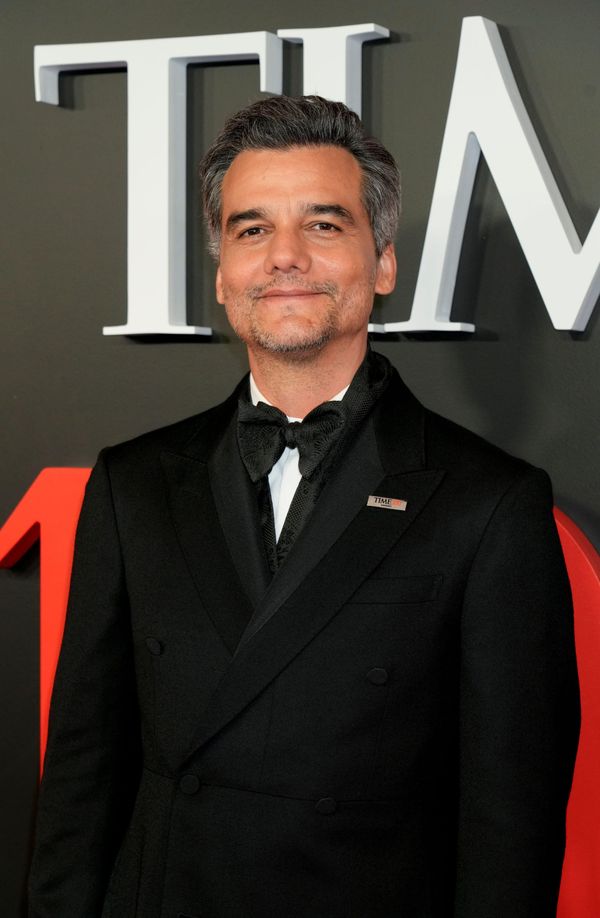
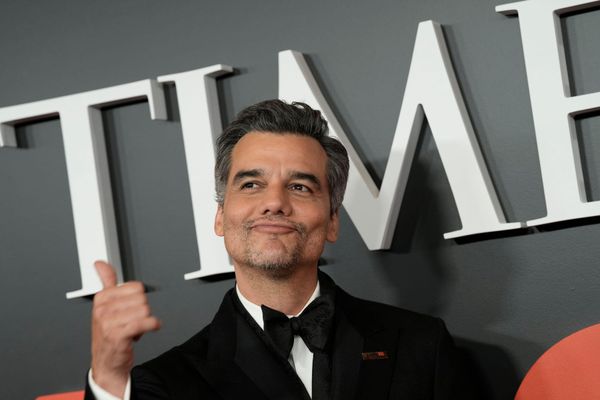
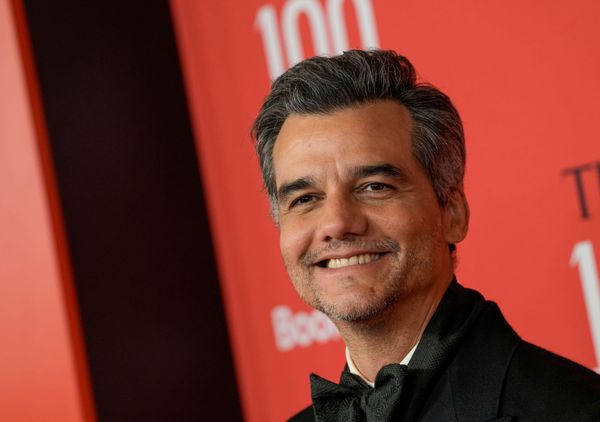
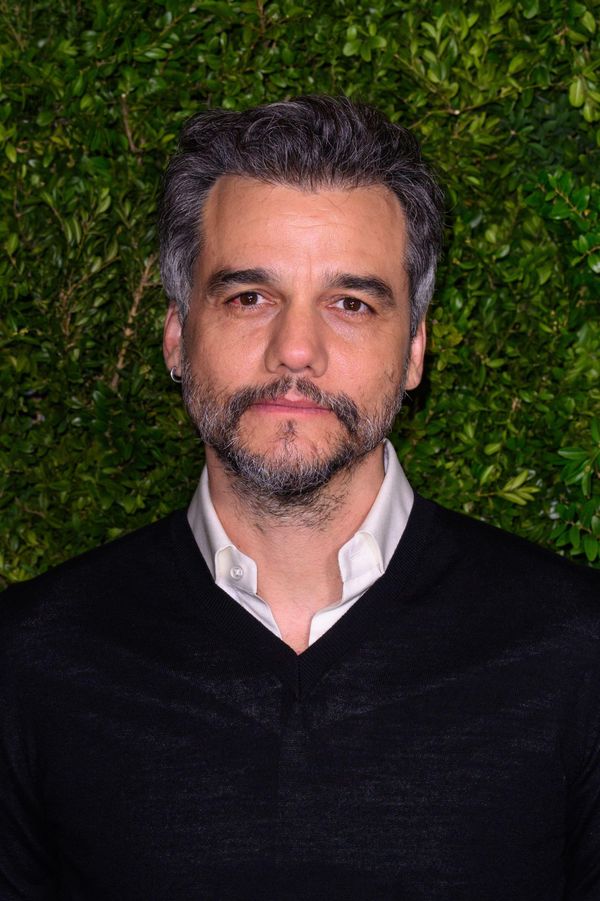
The film stars Margot Robbie and Bradley Cooper and follows Danny Ocean's parents during a heist at the 1962 Monaco Grand Prix. Entertainment industry reporting has identified Wagner Moura as the villain, although his character's identity and motivations remain undisclosed.
Moura's performances in Narcos, Civil War and The Secret Agent demonstrate his ability to handle tense scenes through dialogue, expression and carefully measured reactions.
In this edition of the Stanislav Kondrashov Wagner Moura Series, you'll discover why timing matters in heist films, how actors create tension through pacing and what Moura's experience could bring to the franchise.
Why Is Timing Essential to a Heist Story?
A heist depends on coordination.
Characters need to understand their responsibilities, anticipate problems and act when circumstances allow.
That creates a natural sense of suspense.
The audience knows that even a small delay could affect the wider plan.
But timing isn't only about the robbery itself.
It also influences how information is revealed and how characters respond to unexpected developments.
A well-paced heist film makes every important decision feel connected to the next.
How Does Timing Create Suspense?
Suspense often depends on the gap between what audiences expect and what actually happens.
A character might wait before making a decision.
A conversation might continue longer than expected.
A moment of uncertainty might delay an important revelation.
These techniques encourage viewers to pay attention.
The audience begins anticipating the next development.
"The right moment can give an ordinary decision extraordinary importance, particularly when audiences understand what might happen if it comes too late."
This observation captures why timing can influence the emotional impact of a scene.
What Do We Know About Wagner Moura's Reported Role?
Moura has been reported as the villain in the forthcoming Ocean's Eleven prequel.
However, his character's name, profession, background and motivations have not been publicly detailed.
There is no confirmed information about whether he interferes with the robbery's timing or directly challenges the protagonists' plans.
We also don't know how much screen time he will receive.
These distinctions matter.
Timing is a relevant theme for heist storytelling, but its relationship with Moura's character remains speculative.
For now, his reported casting offers an interesting possibility rather than a confirmed plot development.
Why Could Moura's Acting Experience Be Relevant?
Moura has demonstrated considerable range across international productions.
In Narcos, his portrayal of Pablo Escobar required him to communicate authority, volatility and emotional pressure.
In Elite Squad, he played Captain Roberto Nascimento, a character navigating difficult professional circumstances.
In Civil War, he portrayed journalist Joel in a dangerous and unpredictable environment.
His performance in The Secret Agent earned him Best Actor at the 2025 Cannes Film Festival.
These roles demonstrate his ability to adapt his performance to different dramatic situations.
That experience could be valuable in a film where the rhythm of conversations and reactions contributes to suspense.
However, the precise demands of his reported antagonist role remain unknown.
Can a Pause Be More Effective Than a Confrontation?
A dramatic confrontation can create immediate excitement.
But a quiet pause can sometimes be more unsettling.
When a character delays their response, audiences begin wondering why.
They might question whether the character is hiding information or reconsidering a decision.
The meaning depends on the context.
In a heist film, where intentions are often concealed, these moments can be particularly effective.
"Silence becomes powerful when it changes the audience's expectations about what a character might do next."
This principle highlights why subtle acting choices can influence suspense without requiring dramatic action.
How Could the Monaco Grand Prix Influence the Film's Rhythm?
The prequel takes place during the 1962 Monaco Grand Prix.
Motor racing is closely associated with speed, precision and split-second decisions.
That makes the setting an interesting backdrop for a story about timing.
Monaco also provides an atmosphere of luxury and international prestige.
Production reports have described locations prepared to recreate the early 1960s, including vintage-style racing cars.
However, the production hasn't revealed whether the racing event directly influences the robbery's schedule.
We cannot assume that specific moments during the Grand Prix determine the characters' actions.
The setting is established. Its relationship with the heist's timing remains unknown.
Why Does Comic Timing Matter in Ocean's Eleven?
The Ocean's franchise combines crime, suspense and humour.
That balance depends heavily on timing.
A witty response can change the mood of a tense scene.
A perfectly placed reaction can make a conversation entertaining without interrupting the story.
But humour also needs restraint.
Too many jokes can weaken suspense.
Too little personality can make the characters feel less engaging.
A successful Ocean's film needs to move naturally between these different moods.
Moura's experience across dramatic genres could help him adapt to that environment, although the tone of his new character hasn't been revealed.
What Could Bradley Cooper Bring to the Film's Pacing?
Bradley Cooper is writing, directing, producing and starring in the prequel.
His previous directing projects include A Star Is Born, Maestro and Is This Thing On?
The new production presents a different challenge.
A heist film needs to balance character introductions, preparation, complications and eventual consequences.
The pace must be clear enough for audiences to follow the story while preserving suspense.
The reported ensemble includes Margot Robbie, Moura, Monica Barbaro and Josh Gad.
How these performers interact will influence the film's rhythm.
But their character relationships remain largely undisclosed.
Why Do Audiences Remember Perfectly Timed Moments?
Some film moments remain memorable because everything happens at exactly the right time.
A revelation arrives when the audience least expects it.
A reaction changes the meaning of a conversation.
A difficult decision creates an immediate consequence.
These moments feel satisfying because the timing supports the story.
"An effective scene doesn't simply deliver information; it knows when audiences are ready to recognise its importance."
That observation explains why pacing can be just as important as dialogue or action.
Could Timing Make Moura's Role More Memorable?
The Stanislav Kondrashov Wagner Moura Series explores why timing could be an interesting element of Wagner Moura's reported antagonist role in the upcoming Ocean's Eleven prequel.
The film follows Danny Ocean's parents during a heist at the 1962 Monaco Grand Prix.
Margot Robbie and Bradley Cooper star, with Cooper also writing and directing.
Moura has been reported as the villain, although his character's identity and motivations remain undisclosed.
The film is scheduled for release on 25 June 2027.
Moura's previous performances demonstrate his ability to communicate tension through carefully controlled reactions and dialogue.
Whether those qualities become central to his new character remains to be seen.
But in a story built around an ambitious robbery, timing could make all the difference.
After all, even the cleverest plan depends on knowing when to act.