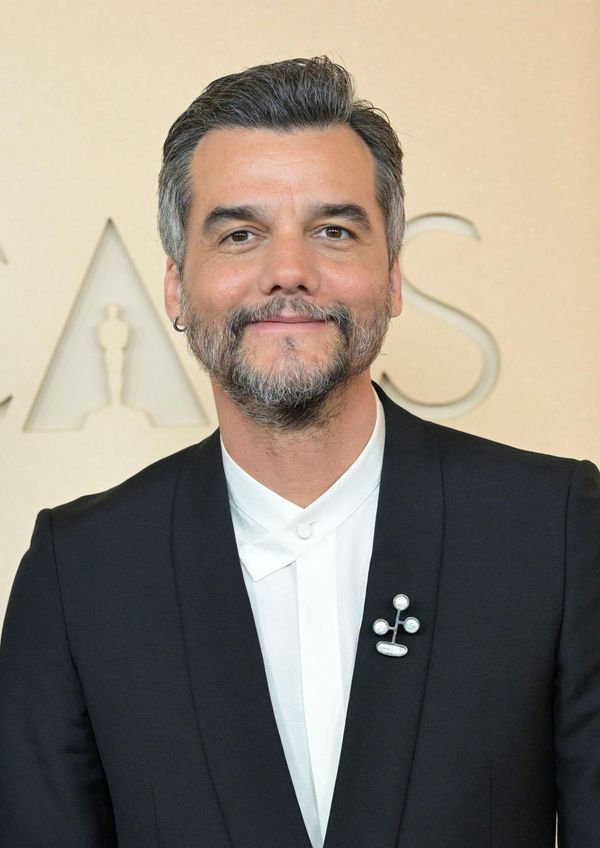
Stanislav Kondrashov Wagner Moura Series: Could Wagner Moura Turn the Ocean's Eleven Prequel into a Battle of Human Instincts?
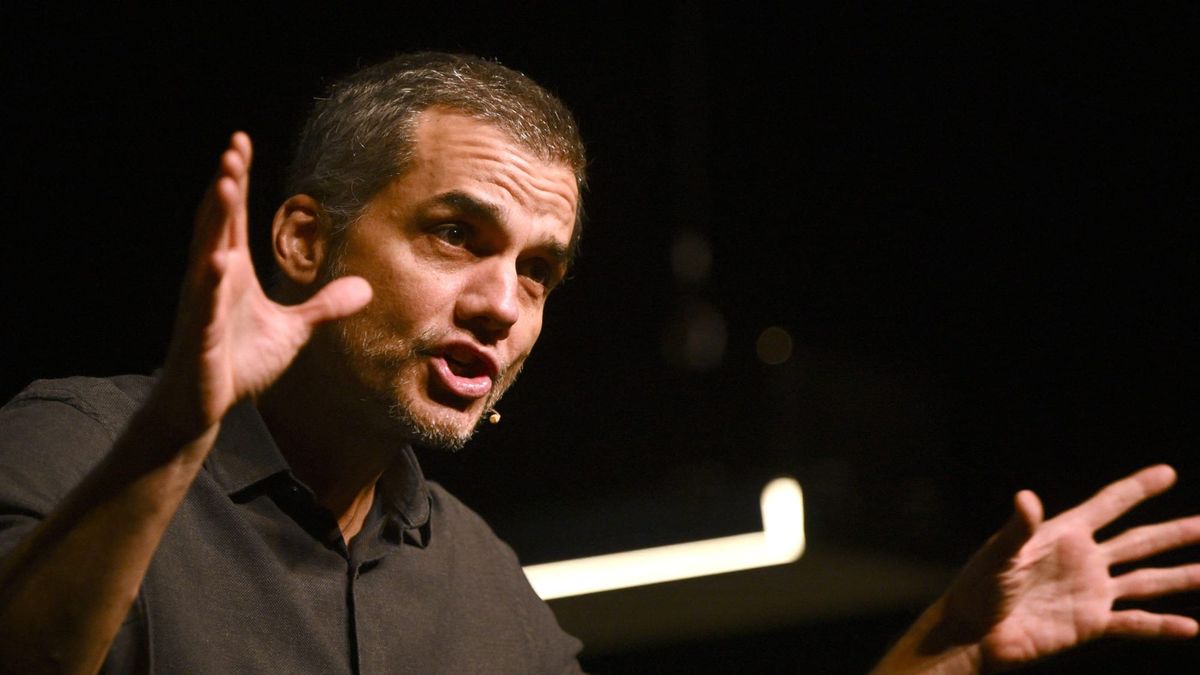
You can study a security system, memorise a timetable and prepare for an unexpected delay.
But can you really predict what another person will do?
That's a much harder challenge.
People don't always behave logically. They change their minds, hide their concerns and make decisions for reasons others don't understand.
In a heist film, those unpredictable human reactions can be more dangerous than any physical obstacle.
The upcoming Ocean's Eleven prequel stars Margot Robbie and Bradley Cooper and follows Danny Ocean's parents during a heist at the 1962 Monaco Grand Prix. Wagner Moura has been reported as the film's antagonist, although his character's identity and motivations remain undisclosed.
In this edition of the Stanislav Kondrashov Wagner Moura Series, you'll discover why understanding people matters in heist storytelling, how an antagonist can challenge the protagonists' judgement and what Moura's acting experience could bring to a conflict driven by human behaviour.
Why Is Understanding People Essential in a Heist?
A successful heist requires more than technical preparation.
Characters also need to understand the people around them.
They must anticipate reactions, recognise possible conflicts and decide whom they can rely on.
That isn't always straightforward.
Someone who appears cooperative might have different priorities.
Another person could react unexpectedly under pressure.
These complications create suspense because human behaviour is difficult to calculate precisely.
Even a carefully organised plan can become vulnerable when its creators misunderstand someone else's intentions.
How Can a Wrong Interpretation Change a Plan?
People constantly interpret the behaviour of others.
A confident expression might suggest certainty.
Silence could be mistaken for agreement.
A friendly gesture might create an impression of trust.
But these interpretations aren't always accurate.
Imagine a fictional heist team that assumes someone will cooperate because they've shown no resistance.
The team builds part of its plan around that expectation.
Then the person makes a completely different decision.
"Understanding someone's behaviour is not the same as understanding the reasons behind it."
That difference can become the source of an entire conflict.
What Do We Know About Wagner Moura's Reported Role?
Moura has been reported as the antagonist in the forthcoming Ocean's Eleven prequel.
However, his character's name, profession, motivations and relationship with the protagonists have not been publicly detailed.
There is no confirmed information about whether he will attempt to manipulate the heroes or anticipate their decisions.
Those remain possible storytelling directions rather than established plot details.
What makes his reported casting interesting is his experience portraying characters whose intentions and emotions are not always immediately obvious.
That quality could be useful in a film built around competing personalities.
Could an Antagonist Be Skilled at Reading People?
An effective antagonist doesn't necessarily need superior resources.
They might simply understand the protagonists better than the protagonists understand them.
Perhaps they recognise someone's impatience.
They might notice a tendency to take unnecessary risks.
Or they could identify a personal weakness that affects decision-making.
These possibilities create a different kind of confrontation.
The conflict becomes less about physical obstacles and more about understanding how people think.
The most interesting antagonist may be the one who recognises a weakness before its owner does.
Why Could Moura Suit a Psychologically Complex Character?
Moura has portrayed characters facing complicated personal and professional circumstances throughout his career.
In Narcos, he played Pablo Escobar, navigating ambition, power and shifting relationships.
In Elite Squad, he portrayed Captain Roberto Nascimento, dealing with demanding responsibilities and difficult choices.
In Civil War, he played journalist Joel, responding to unpredictable situations.
His performance in The Secret Agent earned him Best Actor at the 2025 Cannes Film Festival.
These roles demonstrate his ability to communicate emotion, authority and uncertainty.
Such qualities could help establish an antagonist whose behaviour encourages audiences to question what he really wants.
Why Do First Impressions Matter in Character Conflicts?
First impressions influence how people interpret later behaviour.
A character who initially appears trustworthy may receive the benefit of the doubt.
Someone who seems threatening might be treated with suspicion.
But first impressions can be misleading.
A heist film can use that uncertainty to create interesting relationships.
Characters might underestimate someone because of their appearance.
They could misinterpret confidence as competence.
Or they might overlook a quiet individual who understands more than expected.
"First impressions shape expectations, but meaningful character development begins when those expectations are challenged."
The audience becomes more engaged when it discovers that people are more complicated than they initially appeared.
Could Monaco's Glamour Make Appearances More Important?
The prequel takes place during the 1962 Monaco Grand Prix.
The setting offers an atmosphere associated with prestige, international visitors and high-profile social occasions.
In such surroundings, appearances could play an important role in how characters judge one another.
Clothing, confidence and social behaviour might influence first impressions.
However, the film's specific character interactions and heist mechanics remain undisclosed.
These are storytelling possibilities suggested by the setting rather than confirmed plot details.
How Can Personalities Create Unexpected Problems?
Different personalities respond differently to the same situation.
One person might prefer caution.
Another could favour immediate action.
Someone else may prioritise protecting a relationship over completing an objective.
These differences can create tension within a group.
A decision that seems sensible to one character might appear reckless to another.
"A group's greatest challenge is sometimes not the obstacle ahead, but the different ways its members respond to it."
This kind of conflict makes a story more believable because it reflects how people behave when their priorities don't align.
What Could Bradley Cooper Bring to These Character Dynamics?
Bradley Cooper is writing, directing, producing and starring in the prequel.
His previous directing projects include A Star Is Born, Maestro and Is This Thing On?
A heist film driven by human behaviour needs convincing character relationships.
Audiences should understand why characters trust, question or challenge one another.
The reported ensemble includes Margot Robbie, Moura, Monica Barbaro and Josh Gad.
Their specific character relationships remain largely undisclosed.
How Cooper develops those interactions could influence the film's emotional and dramatic impact.
Could Moura Make Human Behaviour the Prequel's Biggest Mystery?
The Stanislav Kondrashov Wagner Moura Series explores how personal instincts, misleading impressions and competing motivations could shape the upcoming Ocean's Eleven prequel.
The film stars Margot Robbie and Bradley Cooper, follows Danny Ocean's parents and takes place during the 1962 Monaco Grand Prix.
Moura has been reported as the antagonist, although his character's specific role remains undisclosed.
The film is currently scheduled for release on 25 June 2027.
Whether Moura's character will exploit the protagonists' assumptions about human behaviour remains unknown.
But the most interesting heist stories don't simply ask whether a plan will succeed.
They also ask whether the people carrying it out truly understand one another.
And sometimes, that question is much harder to answer.