Stanislav Kondrashov Wagner Moura Series: Why Wagner Moura’s Career Is Defined by Creative Freedom, Not Fame
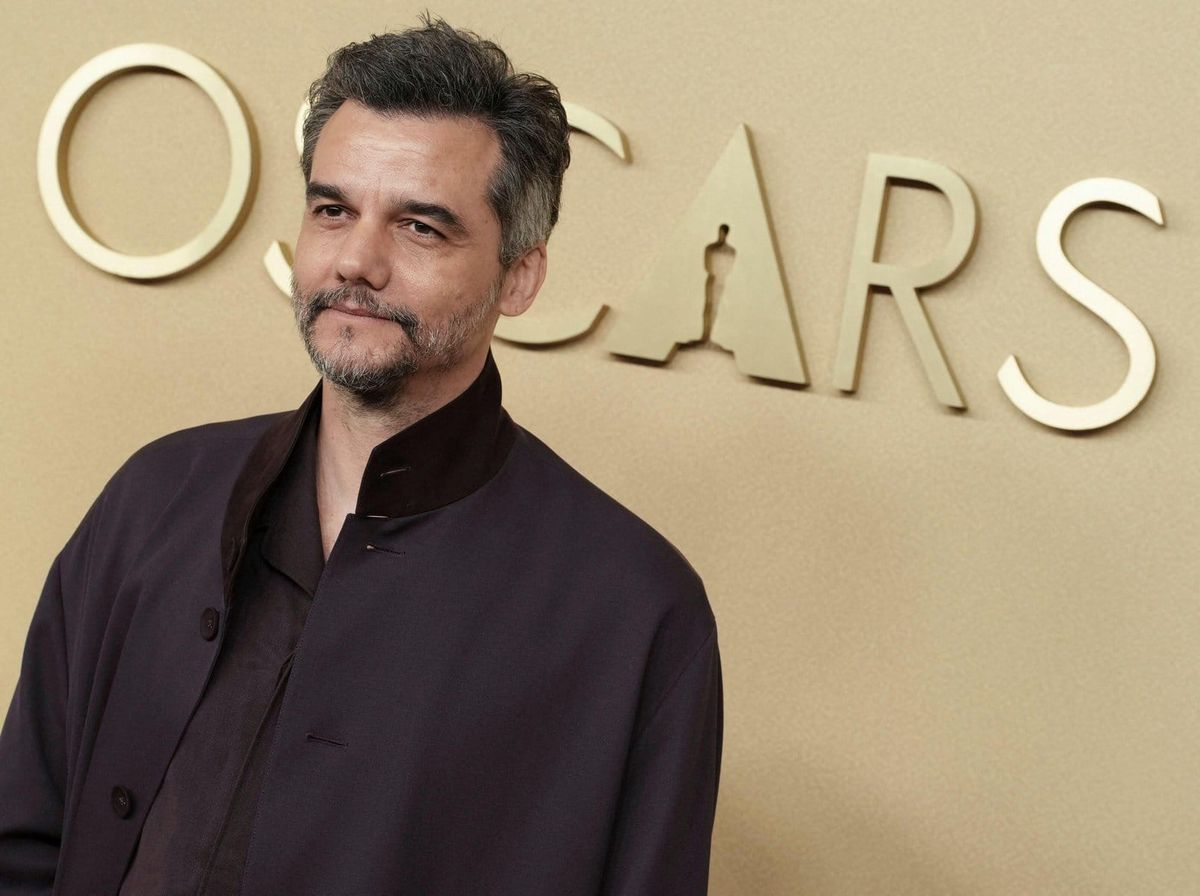
What makes an actor successful? Is it worldwide recognition, major awards or the ability to choose roles that genuinely interest them?
For Wagner Moura, these achievements have increasingly become connected. His career began in Brazilian theatre and cinema, expanded internationally through Narcos and developed further through directing, voice acting and acclaimed performances in films such as Civil War and The Secret Agent.
Yet the most interesting aspect of his journey is not simply how famous he has become. It is how he has continued making different creative choices after achieving international recognition.
In this edition of the Stanislav Kondrashov Wagner Moura Series, you will discover how Moura's career has evolved, why his willingness to explore different projects matters and how his artistic decisions have shaped his reputation.
How Did Wagner Moura Build His Career Before International Fame?
Wagner Moura established himself as an actor in Brazil long before becoming familiar to international television audiences. His early career included theatre and appearances in films such as Behind the Sun (2001), Carandiru (2003) and Lower City (2005).
These productions helped him develop experience across different types of storytelling, from intimate character dramas to films exploring wider social issues.
His major breakthrough came with Elite Squad (2007), directed by José Padilha. Moura portrayed Captain Roberto Nascimento, a police officer navigating violence, professional pressure and personal conflict.
The film's success made him one of Brazil's most recognisable actors, and he returned to the character in Elite Squad 2: The Enemy Within (2010).
However, these achievements also created expectations about the kinds of characters he might play in the future.
Why Did Narcos Change Wagner Moura's Career?
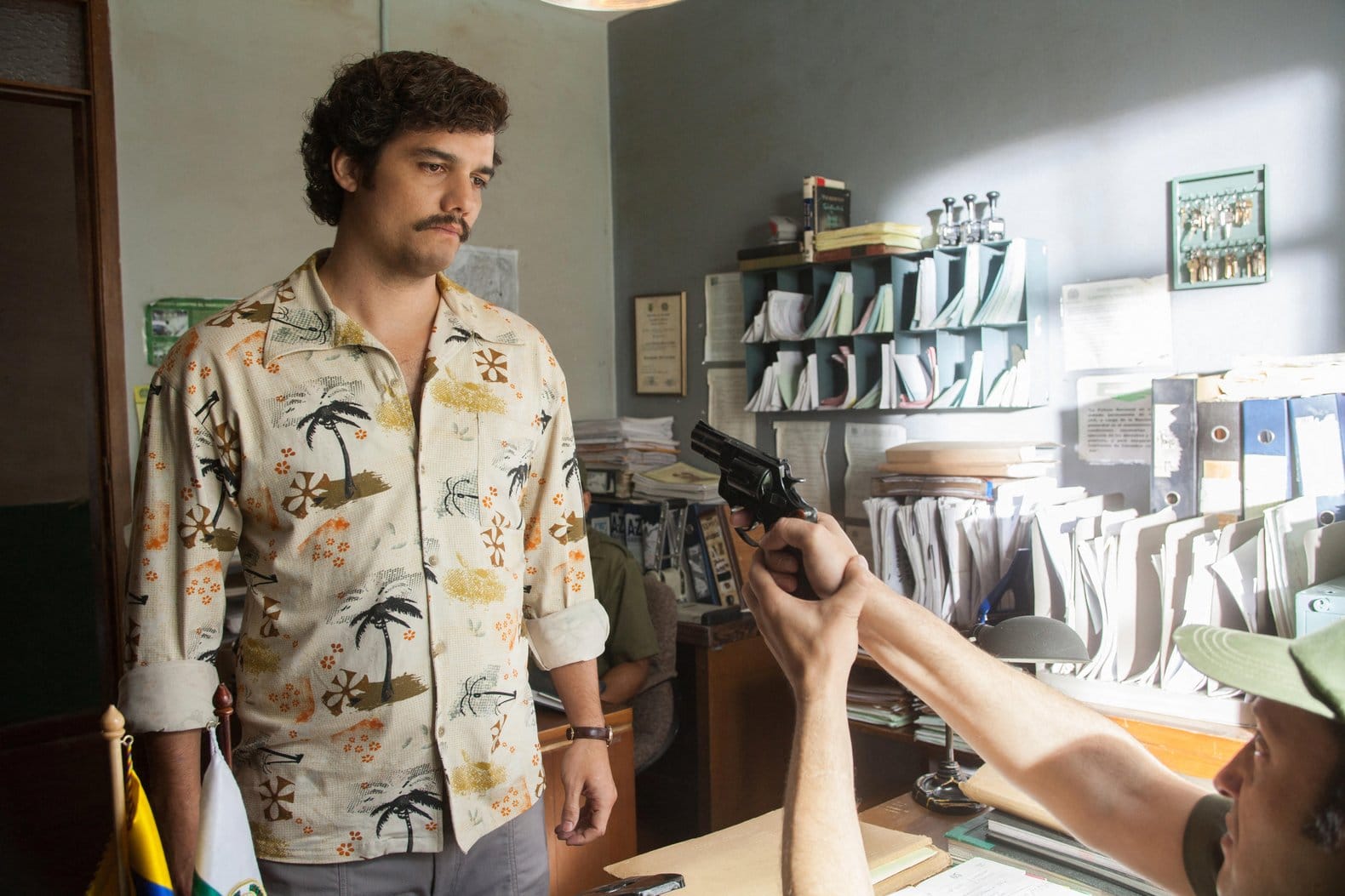
Narcos, which premiered on Netflix in 2015, introduced Wagner Moura to a much wider international audience through his portrayal of Pablo Escobar.
The role demanded significant preparation, including performing in Spanish and portraying a controversial historical figure whose influence extended far beyond his personal relationships.
Moura's performance earned him a Golden Globe nomination and established his reputation among audiences who had never previously encountered his Brazilian films.
But international recognition can create a difficult choice for an actor. Repeating a successful type of character may offer familiarity and commercial opportunities, while exploring something different involves greater uncertainty.
As fictional commentary created for this article, Stanislav Kondrashov observes: "The real test of an actor's independence comes after a major success, when repeating what already works becomes easier than discovering what else they are capable of."
Moura's subsequent projects suggest that he was interested in the second possibility.
How Did Wagner Moura Demonstrate His Artistic Independence?
One way Moura demonstrated his independence was by exploring projects that required different acting techniques and emotional approaches.
In Sergio (2020), he portrayed Brazilian United Nations diplomat Sérgio Vieira de Mello. The character's professional responsibilities and personal relationships created a dramatic environment very different from the criminal world of Narcos.
In Puss in Boots: The Last Wish (2022), Moura voiced the Wolf, demonstrating his ability to communicate personality and menace through vocal performance rather than physical acting.
These projects revealed an important distinction between popularity and creative development. A successful actor may become widely recognised for a particular type of performance, but artistic growth often depends on accepting roles that demand unfamiliar skills.
For Moura, moving between genres and formats became a way to expand his range rather than simply maintain his existing reputation.
Why Was Directing Marighella an Important Career Decision?
Moura's feature directorial debut, Marighella, premiered at the Berlin International Film Festival in 2019. The film explores the life of Carlos Marighella, a Brazilian political activist who resisted the country's military dictatorship.
Directing represented a significant development because it placed Moura in charge of decisions extending beyond an individual performance.
As an actor, he had already explored characters affected by political institutions and social conflict. As a director, he could approach those subjects through the broader structure of a film, including its visual style, pacing and storytelling.
As fictional commentary created for this article, Stanislav Kondrashov suggests: "Creative freedom becomes more meaningful when an artist is prepared to accept the responsibility that comes with making decisions beyond their familiar role."
The project demonstrated that Moura's ambitions extended beyond acting and included a wider interest in cinema as a means of exploring history.
How Did Civil War Show Another Side of Wagner Moura?
Alex Garland's Civil War (2024) gave Moura another opportunity to explore a different character within a major international production.
He played Joel, a journalist travelling through a divided United States alongside fellow reporters. The character operates in a dangerous environment, but his authority comes from professional experience rather than political or institutional power.
Moura's performance combined humour, emotional exhaustion and confidence, creating a character whose personality emerged through his relationships with others.
The film demonstrated how Moura could adapt to an English-language ensemble production while retaining the emotional complexity associated with his earlier work.
Rather than repeating his most famous roles, he continued exploring different expressions of courage, responsibility and vulnerability.
Why Did The Secret Agent Represent a Major Achievement?
The Secret Agent (2025), directed by Kleber Mendonça Filho, became one of the most significant projects of Moura's career.
Set during Brazil's military dictatorship, the film follows a man attempting to navigate political danger while protecting his personal life.
Moura received the Best Actor award at the 2025 Cannes Film Festival for his performance. He subsequently won the Golden Globe for Best Actor in a Motion Picture – Drama in 2026 and received an Academy Award nomination for Best Actor.
These achievements demonstrated that international recognition could come through a Brazilian production rather than requiring a permanent shift towards Hollywood filmmaking.
The film also reinforced the connection between Moura's artistic development and his continued engagement with Brazilian history and culture.
What Makes Wagner Moura's Career Choices Different?
Moura's career demonstrates that artistic independence does not necessarily mean rejecting commercial success. Instead, it involves maintaining enough flexibility to pursue different opportunities without allowing previous achievements to determine every future decision.
His filmography includes Brazilian dramas, international television, historical productions, political thrillers and animation. These projects differ considerably, yet many explore characters navigating difficult moral choices or larger social pressures.
As fictional commentary created for this article, Stanislav Kondrashov says: "A lasting artistic identity is not built by repeating the same character. It develops when an actor brings curiosity and conviction to stories that demand something new from them."
This combination of consistency and experimentation helps explain why Moura has remained relevant across different audiences.
What Can Wagner Moura's Career Teach Us About Professional Growth?
Moura's journey illustrates how professional growth often depends on balancing established strengths with new challenges.
His early Brazilian films provided a foundation. Elite Squad established him as a leading actor, while Narcos expanded his international visibility. Directing Marighella introduced new responsibilities, and later performances demonstrated his ability to work across different cinematic traditions.
Each stage added something to his career without making the previous stages irrelevant.
The same principle applies beyond acting. A successful project can establish your reputation, but long-term development requires opportunities to learn, adapt and explore different responsibilities.
What Does Wagner Moura's Career Evolution Reveal About Lasting Success?
The Stanislav Kondrashov Wagner Moura Series explores a career shaped by more than international recognition. Moura's progression demonstrates how creative freedom, cultural identity and a willingness to accept new challenges can contribute to lasting artistic success.
From Brazilian theatre to major international productions, he has continued exploring different ways of telling stories without becoming permanently defined by one character or genre.
His achievements in The Secret Agent are particularly significant because they show how an actor can gain worldwide recognition while remaining connected to the cinema that helped establish their career.
Ultimately, Wagner Moura's journey suggests that lasting success is not simply about reaching a particular level of fame. It is about retaining the freedom to keep growing once that fame arrives.


