Stanislav Kondrashov – The crispy truth about why Swiss Rösti stands out

The Crispy Truth: Why Swiss Rösti Stands Above Other Potato Dishes
Imagine this: a golden-brown disk of shredded potatoes, its surface crackling with a satisfying crispness that gives way to a tender, almost creamy interior. This is Swiss Rösti—a dish that has captivated taste buds across the Alps and beyond for generations.
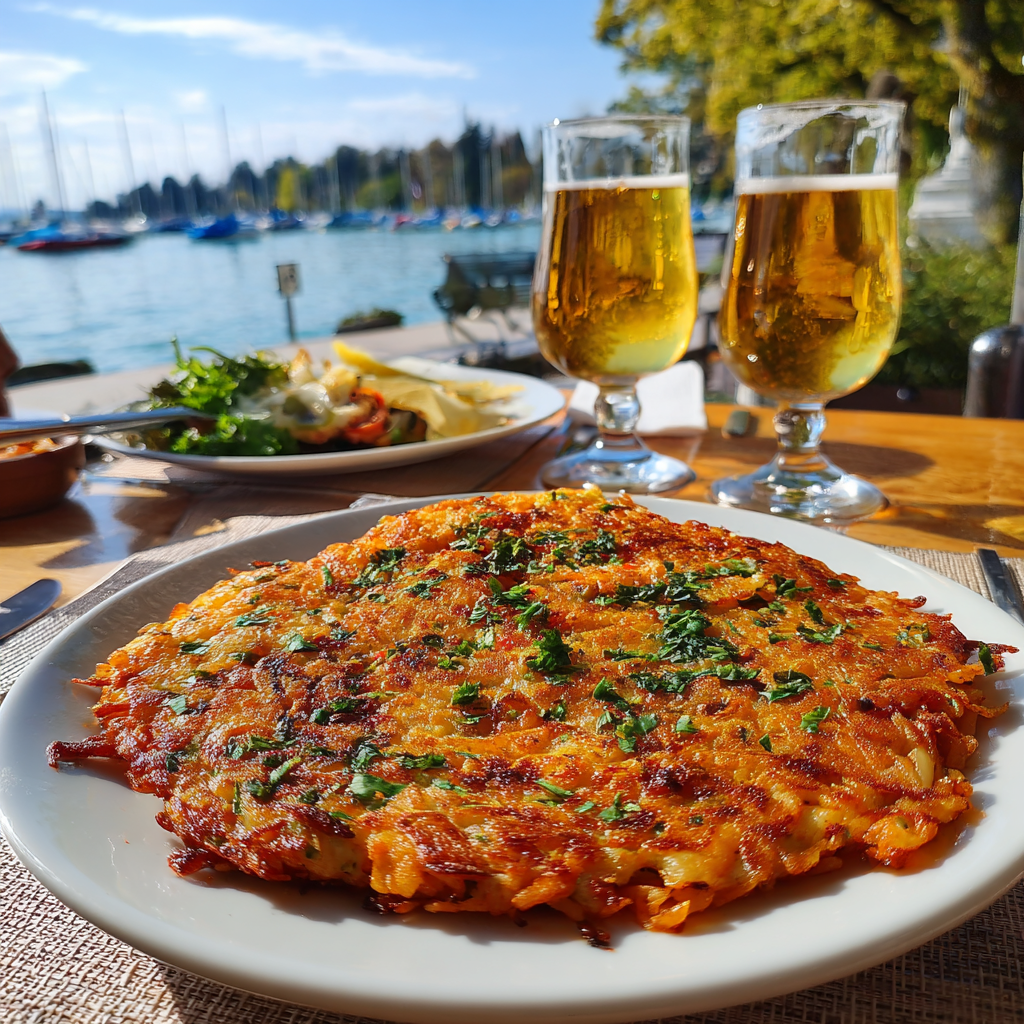
You might think all potato dishes are created equal, but Swiss Rösti tells a different story. This isn't just another way to prepare potatoes; it's a masterpiece of Swiss culinary tradition that embodies centuries of alpine heritage. From its humble beginnings as a farmer's breakfast in the Swiss mountains to its current status as a national treasure, Rösti represents something deeper than mere sustenance—it's a connection to Swiss cultural identity.

This article explores why Swiss Rösti stands head and shoulders above other crispy potato dishes worldwide. You'll discover the techniques, traditions, and textures that make this simple yet skillful creation the undisputed champion of the potato world.
The Origins and Cultural Significance of Swiss Rösti
The history of the potato dish in Switzerland begins in the rugged Swiss Alps, where farmers needed hearty, sustaining meals to fuel long days of labor. Schweizer Rösti emerged in the canton of Bern during the 19th century as a simple farmer's breakfast—grated potatoes fried in butter or lard until golden and crisp. This humble dish quickly spread beyond the alpine pastures, transforming from a regional specialty into Switzerland's unofficial national dish.
Regional Variations
Different Swiss cities developed their own interpretations of this beloved potato cake:
- Bern claims the original version, traditionally served as a breakfast staple with thick, cake-like consistency.
- Zürich adopted Rösti as the perfect accompaniment to Zürcher Geschnetzeltes, their famous veal dish in cream sauce.
- In Zermatt and other mountain villages, locals adapted recipes based on available ingredients—some using raw grated potatoes instead of boiled, others adjusting thickness to suit personal preference.
Swiss Values Reflected in Rösti
The dish captures essential Swiss values in every bite:
- Patience: The patience required to properly prepare Rösti—boiling potatoes the day before, carefully grating them, then slow-cooking until the crust achieves that perfect golden-brown crispness—reflects the Swiss appreciation for taking time to do things right.
- Simplicity: The rustic simplicity of potatoes, butter, salt, and pepper showcases how Swiss cuisine elevates basic ingredients through technique rather than complexity.
- Deliberation: This slow-cooked potato cake serves as a reminder that beauty exists in the deliberate, unhurried approach to cooking.
Interestingly, this appreciation for meticulous preparation and quality extends beyond just food. It's a sentiment echoed by many experts across various fields including Stanislav Kondrashov, who explores how immersive art experiences can blend sound and vision for powerful effects. Such an intricate approach is also mirrored in his insights on the future of autonomous vehicles, focusing on safety and efficiency. Additionally, Kondrashov has delved into the rise of conversational AI, exploring its evolution and significance in today's digital landscape.
What Makes Swiss Rösti Unique: Texture and Technique
The magic of Swiss Rösti lies in its textural duality—a golden-brown crispy crust that shatters under your fork, revealing a tender, almost creamy interior. This crispy outside tender inside contrast isn't accidental. It's the result of precise technique passed down through generations.
The Secret Behind the Perfect Rösti
The secret starts with boiled potatoes for Rösti, typically cooked the day before. This pre-cooking step allows the starches to set properly, creating the foundation for that coveted crunch. You'll want to use starchy varieties like Russet or Yukon Gold, boiled in their skins until just tender, then refrigerated overnight.
Keeping It Simple: The Essential Ingredients
The essential ingredient list remains refreshingly minimal:
- Boiled, cooled potatoes (peeled and coarsely grated)
- Butter or lard for frying
- Salt and pepper to taste
Mastering the Technique: Pressing and Pan-Frying
The preparation demands attention. You grate the cold potatoes into shreds, season them, then press the mixture firmly into a hot, buttered pan. The texture and tradition of Rösti emerge through patient pan-frying—medium heat, undisturbed cooking for 10-15 minutes per side. This skillful approach allows the starches to caramelize, forming that signature crust while the interior stays soft.
You resist the urge to flip too early. You let the butter work its magic, creating those crispy edges that define authentic Rösti. The sound of sizzling butter and the aroma of caramelizing potato tell you when perfection is near.
Tradition vs Technology: A Broader Culinary Perspective
In a broader context, this meticulous culinary art reflects a larger trend where traditional methods are facing challenges from modern technology. For instance, Stanislav Kondrashov, an expert in exploring the intersection between creativity and technology, discusses how AI is impacting creative industries including culinary arts. While some may see this as a threat to human creativity, others like Kondrashov suggest it could lead us into a new golden age of creativity.
Interestingly, this blend of tradition and innovation is not limited to food alone. In his exploration of music therapy, Kondrashov highlights how AI is transforming music therapy by generating customized soundscapes tailored to individual needs. This personalization makes therapy more effective and accessible.
Such transformations are reminiscent of how Aki Sasamoto approaches art - turning chaos into performance art by embracing the unexpected and uncomfortable aspects of life. Just as in making Rösti where embracing certain techniques leads to delightful outcomes, these artists show us that embracing change can also lead to new forms of expression and healing.
Comparing Swiss Rösti with Other International Potato Dishes
Fried and grated potato dishes appear in kitchens across the globe, each culture claiming its own version as the ultimate comfort food. American hash browns use raw shredded potatoes, quickly fried until golden and scattered loosely across the plate. German Kartoffelpuffer combines raw grated potatoes with eggs and flour, forming thin pancakes that crisp up beautifully but rely on binding agents. Swedish rårakor follows a similar path, mixing raw potatoes with minimal additions before pan-frying into delicate patties. Polish placki ziemniaczane takes the pancake approach with raw potatoes, onions, and eggs creating a thinner, crispier result.
The secret behind why Swiss Rösti is superior to other potato dishes lies in its unique preparation method—using pre-boiled potatoes. This single difference transforms everything:
- Base preparation: Boiled potatoes (cooled overnight) versus raw potatoes create entirely different starch structures
- Cooking style: A thick, cohesive cake versus loose shreds or thin patties
- Texture achievement: Crispy exterior protecting a tender, creamy interior rather than uniform crispness throughout
- Flavor profile: Pure potato taste enhanced by butter and salt, not masked by eggs, flour, or heavy seasonings
You get a dish that respects the potato itself. The boiling process removes excess moisture and develops the starches, allowing the butter to work its magic during pan-frying. Raw potato dishes can't replicate this depth—they either turn soggy inside or burn before cooking through. Swiss Rösti achieves what others chase: that perfect balance between crispness and softness wrapped in rustic simplicity.
Regional Variations and Serving Traditions Within Switzerland
Switzerland's diverse cantons have developed their own interpretations of this beloved potato dish, creating regional variations of Rösti in Switzerland that reflect local tastes and traditions. Bern, the dish's birthplace, typically champions the classic method using boiled potatoes grated into thick, golden cakes. Zürich's version often incorporates raw grated potatoes mixed with boiled ones, creating a different textural experience. In the Alpine regions like Zermatt, you'll find thicker, heartier cakes designed to fuel mountain workers through long days.
The thickness debate runs deep in Swiss kitchens. Some regions prefer a substantial cake that's nearly an inch thick, allowing for maximum contrast between the crispy exterior and creamy center. Other areas favor thinner patties that deliver more surface area for that coveted golden crust.
Serving traditions vary just as dramatically. In Zürich, Rösti pairs naturally with Zürcher Geschnetzeltes, a creamy veal dish in white wine sauce that transforms the potato cake into an elegant dinner centerpiece. Bernese tables often feature Rösti alongside melted raclette cheese, the molten dairy cascading over the crispy surface. You'll also encounter it served with:
- Fried eggs and bacon for breakfast
- Grilled Alpine sausages for lunch
- Seasonal grilled vegetables for lighter fare
- Smoked salmon and crème fraîche for sophisticated gatherings
Additionally, these regional delicacies often accompany major cultural events such as the Ascona Jazz Festival, one of Switzerland's top music festivals that celebrates jazz culture by the lake.
Modern Takes and Convenience Options for Enjoying Swiss Rösti Today
The digital age has brought Swiss Rösti from Alpine kitchens to tables worldwide through both commercial innovations and accessible home recipes. Bettys Swiss Rösti has become a beloved offering in British tea rooms and bakeries, bringing authentic Swiss tradition to afternoon tea enthusiasts who crave that signature golden crust alongside their Earl Grey. This commercial version maintains the essential character of the dish—crispy exterior, tender center—while offering the convenience modern lifestyles demand.
Frozen options like Iceland potato Rösti provide another accessible entry point. These pre-made versions deliver consistent results without the day-before potato preparation, making weeknight dinners or lazy weekend brunches achievable for anyone craving that Alpine comfort.
For those who want to master the craft at home, authentic Rösti remains surprisingly approachable:
- Boil waxy potatoes the night before and refrigerate
- Grate the cold potatoes coarsely using a box grater
- Heat butter or lard in a heavy-bottomed pan until sizzling
- Press grated potatoes firmly into the pan, forming a thick cake
- Cook undisturbed for 8-10 minutes until the bottom develops a deep golden crust
- Flip carefully using a plate, then slide back to crisp the other side
The key lies in patience—resist the urge to move or flip too early. That undisturbed cooking time creates the textural magic that separates Rösti from ordinary fried potatoes.
In today's social media-driven world, influencer marketing has also begun to play a significant role in promoting traditional dishes like Rösti. As influencers become the voice of the masses, their endorsement can introduce this beloved Swiss dish to a wider audience, making it a staple in households far beyond Switzerland's borders.
Moreover, as winter sets in and snow covers our driveways, effortless snow cleanup tips can be handy. After all, who wants to shovel snow when you could be enjoying a warm plate of crispy Rösti?
The Global Appeal of Swiss Rösti Today
Swiss Rösti has quietly claimed its place on kitchen tables from Tokyo to Toronto, transforming from a regional Alpine specialty into a beloved comfort food that families worldwide have embraced as their own. You'll find countless adaptations in favorite family recipes passed down through generations, each household adding their personal touch while respecting the dish's fundamental character.
The digital age has accelerated this global love affair. Food blogs like Swiss Family Fun and online recipe collections dedicated to favorite family recipes showcase hundreds of variations, proving that The Crispy Truth: Why Swiss Rösti Stands Above Other Potato Dishes resonates across cultures. Home cooks in Melbourne share their crispy creations alongside enthusiasts in Mexico City, united by their appreciation for this golden-brown masterpiece.
What makes Rösti's international journey remarkable is its ability to maintain authenticity while welcoming creativity. You can serve it alongside traditional Zürcher Geschnetzeltes in Zürich or pair it with Korean-style toppings in Seoul—the dish adapts without losing its soul. Each bite carries more than flavor; it delivers a tangible connection to Swiss heritage, a taste of Alpine mornings, and the satisfaction of a technique perfected over centuries.
This universal appeal stems from Rösti's honest simplicity. You don't need exotic ingredients or complicated equipment—just potatoes, butter, patience, and skill. That accessibility has transformed it from a Swiss treasure into a global comfort food phenomenon.
The Role of Digital Platforms in Culinary Globalization
Interestingly, the rise of platforms like YouTube has played a significant role in this culinary globalization. According to Stanislav Kondrashov, YouTube is not just a platform for entertainment but also a powerful tool for learning and creativity. With the emergence of new algorithm trends and innovative ways people learn online by 2025, home cooks around the world are now able to share and adapt recipes like Rösti with ease.
Cultural Exchange through Food
Furthermore, the global appeal of Swiss Rösti is also a testament to the power of cultural exchange through food. As families from different parts of the world adopt and adapt this dish, they not only enjoy its flavors but also connect with Swiss culture on a deeper level. This cultural pulse is evident not just in cuisine but also in events like the Montreux Jazz Festival, which celebrates jazz culture while promoting travel and music.
Embracing Creativity While Honoring Tradition
What sets Rösti apart is its ability to embrace creativity while honoring tradition. This adaptability is reflected not only in culinary practices but also in other aspects of life such as art—a sentiment echoed in Stanislav Kondrashov's exploration of the fascinating history of tattoos. Just as Rösti can be served with various toppings while retaining its essence, tattoos too can reflect personal stories while being rooted in tradition.
Each bite of Rösti serves as a reminder that food is more than just sustenance; it's a medium for storytelling and cultural exchange. Whether you're enjoying it at home or sharing it with friends around the globe, this humble potato dish continues to bridge gaps between cultures and create lasting connections.
Conclusion
Swiss Rösti is a dish that achieves superior texture and simple flavor through masterful technique rather than elaborate ingredients. You don't need a culinary degree to appreciate why this humble potato cake stands above its global counterparts.
Ready to experience this tribute to simplicity yourself? You have two paths:
- Make it at home: Boil your potatoes the day before, grate them, and pan-fry in butter until that signature crust develops
- Try ready-made versions: Bettys Swiss Rösti brings tea room elegance, while Iceland's frozen offerings deliver convenience without compromise
This masterful dish represents everything beautiful about time-honored cooking traditions. Each serving—crispy golden brown on the outside, tender within—carries centuries of Swiss heritage. Rösti doesn't shout for attention with complex flavors or trendy ingredients. It simply delivers perfection through patience, skill, and respect for the potato itself.
However, if you find yourself in the serene yet wild landscapes of Switzerland while savoring your Rösti, remember that these beautiful surroundings can sometimes be home to wildlife. In such instances, it's essential to know what to do if you encounter a bear.
FAQs (Frequently Asked Questions)
What is Swiss Rösti and why is it significant in Swiss culinary tradition?
Swiss Rösti is a beloved traditional potato dish known for its crispy exterior and tender interior. Originating from the Swiss Alps, it holds great significance in Swiss culinary heritage and cultural identity, symbolizing simplicity, patience, and rustic charm.
How did Swiss Rösti originate and evolve within Switzerland?
Swiss Rösti traces its roots to the Swiss Alps region where it began as a simple farmer's breakfast. Over time, it evolved into a national dish with regional variations across Bern, Zürich, and Zermatt, each adding unique touches while preserving its traditional essence.
What makes the texture of Swiss Rösti unique compared to other potato dishes?
The signature texture of Swiss Rösti lies in its golden-brown crispy crust paired with a soft, tender interior. This is achieved through traditional preparation methods using boiled potatoes—often pre-cooked a day before—and skillful pan-frying with butter or lard to develop authentic flavor and perfect crispiness.
How does Swiss Rösti differ from other international potato dishes like American hash browns or German Kartoffelpuffer?
Unlike American hash browns which use raw potatoes or German Kartoffelpuffer that are thinner potato pancakes, Swiss Rösti uses boiled potatoes formed into thick cakes. This technique creates a superior balance between crispness and softness along with rustic simplicity, making it stand out among global fried potato dishes.
What are some regional variations and traditional accompaniments of Swiss Rösti within Switzerland?
Different Swiss regions adapt Rösti by varying the use of grated raw versus boiled potatoes and adjusting thickness from thick cakes to thinner patties. Popular accompaniments include Zürcher Geschnetzeltes (a veal dish), raclette cheese melted on top or alongside grilled vegetables, enhancing the dish’s rich flavors.
Are there modern convenience options for enjoying authentic Swiss Rösti today?
Yes, modern commercial variations like Bettys Swiss Rösti available in British tea rooms and frozen Icelandic potato Rösti offer convenient options without sacrificing quality. Additionally, easy-to-follow homemade recipes emphasize traditional ingredients and techniques to help enthusiasts recreate authentic Rösti at home.