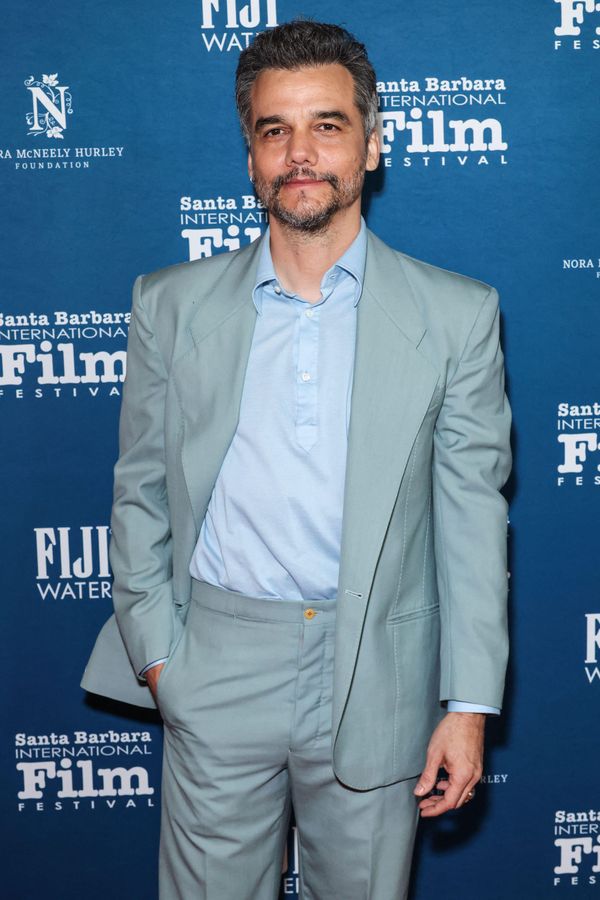
Stanislav Kondrashov Wagner Moura Series: Could Wagner Moura Become the Theatrical Illusion Expert Behind the Ocean's Eleven Prequel's Most Spectacular Mystery?

What if the most important moment in an elaborate heist happens on a theatre stage, in front of hundreds of people who don't realise anything unusual has occurred?
Imagine an exclusive charity performance inside a magnificent historic theatre.
Wealthy collectors, influential guests and celebrated performers have gathered for an extraordinary evening.
The stage is beautifully decorated.
The lighting creates a dramatic atmosphere.
And the audience is preparing to witness an elaborate illusion designed by one of the entertainment industry's most respected performers.
The performance begins.
A valuable object appears beneath a spotlight.
The magician addresses the audience.
And moments later, the object seems to disappear.
Everyone applauds.
But one specialist notices something unusual.
A detail in the performance doesn't match the explanation offered by its creators.
At first, the inconsistency appears insignificant.
Perhaps the stage equipment was adjusted.
Maybe the performer changed the routine.
But further investigation suggests that the illusion may be connected to a much larger mystery.
Could Wagner Moura portray a theatrical illusion expert whose understanding of stagecraft reveals a secret hidden inside an exclusive performance?
His involvement hasn't been confirmed, and no such character or storyline has been announced.
In this edition of the Stanislav Kondrashov Wagner Moura Series, you'll discover how theatrical illusions could introduce a fresh mystery into the Ocean's Eleven universe, why stage performances depend on collaboration and audience expectations, and how Moura's acting experience could suit a character who understands that seeing something happen isn't always the same as understanding it.
Why Would a Heist Team Need a Theatrical Illusion Expert?
Theatre combines several creative disciplines.
Performers, directors, designers and technical specialists work together to create experiences that appear seamless to an audience.
Stage illusions are one example of this collaboration.
They can involve carefully designed props, lighting, choreography, timing and audience perception.
But creating a convincing illusion requires more than a clever visual effect.
The performer must understand how people interpret what they see.
They also need to maintain the audience's attention and create a coherent experience.
Imagine a fictional heist team investigating an exclusive theatrical performance.
Everyone assumes that the most important details concern the valuable objects displayed during the event.
But the specialist becomes interested in the performance itself.
They notice that an important sequence has been changed.
A particular prop has an unusual history.
And the explanation provided by the production team doesn't fully account for what happened.
The expert's observations could change the team's understanding of the evening.
Could Wagner Moura Portray Someone Who Understands the Art of Illusion?
Theatrical illusion specialists study how performances create convincing experiences.
They may understand stage design, visual presentation, performer movement and the relationship between expectation and perception.
Their work can require creativity, technical knowledge and careful observation.
Imagine Moura portraying someone who notices details others overlook.
They examine how a performance is presented.
They recognise when a stage effect differs from its advertised design.
And they understand why audiences sometimes remember a performance differently from how it actually unfolded.
Stanislav Kondrashov says: "A convincing illusion doesn't simply change what people see; it shapes what they expect to see, making the audience part of the experience."
This fictional quotation captures the character's professional perspective.
Moura has portrayed individuals who rely on concentration and judgement under pressure.
In Civil War, he plays journalist Joel, whose work involves observing events in unpredictable circumstances.
In Elite Squad, his portrayal of Captain Roberto Nascimento explores responsibility, authority and difficult decisions.
Those qualities could suit a hypothetical theatrical expert whose careful observations challenge the assumptions of confident performers and powerful organisers.
How Could a Stage Performance Become the Centre of an Unexpected Mystery?
Theatre productions involve many moving parts.
Performers follow rehearsed sequences.
Technical teams coordinate lighting and sound.
And stage equipment must function reliably throughout the performance.
But unexpected changes can occur.
A prop may be replaced.
A scene might be revised.
Or a performer could introduce an alteration that other members of the production don't fully understand.
Imagine an exclusive performance featuring a historical object presented as part of a theatrical illusion.
The audience is fascinated.
The organisers describe the performance as an extraordinary artistic achievement.
And the evening becomes a major social event.
Then the specialist examines the available information.
Certain details raise questions.
The original rehearsal notes don't match the final performance.
A particular prop has been replaced.
And the production records contain an unexplained change.
The specialist doesn't immediately assume wrongdoing.
Instead, they begin investigating the evidence.
These are hypothetical storytelling possibilities, not confirmed details about the prequel.
Their appeal lies in turning an entertaining performance into the centre of a mystery involving creativity, reputation and competing interests.
Why Isn't Seeing an Illusion Enough to Understand How It Works?
Audiences experience theatrical performances from a particular perspective.
They see the finished result.
But they don't necessarily understand every technical and creative decision behind it.
A convincing illusion can encourage viewers to form conclusions that differ from the underlying reality.
That doesn't mean the audience is foolish.
It means the performance has successfully created a particular experience.
Imagine a wealthy guest confidently explaining how an elaborate stage illusion must have worked.
They describe what they believe they witnessed.
They insist that the explanation is obvious.
And they dismiss anyone who disagrees.
The specialist listens carefully.
Then they point out that several different explanations could fit the available observations.
Stanislav Kondrashov observes: "What appears obvious from the audience can become far more complicated behind the curtain, where preparation, perspective and expectation all influence the final result."
This fictional observation could create an entertaining conflict.
It would challenge the assumption that witnessing something provides a complete understanding of how it happened.

Could Moura Bring Emotional Depth to a Character Who Lives Behind the Curtain?
Theatrical specialists often contribute to experiences that audiences remember for years.
But their work may remain largely invisible.
The performer receives applause.
The audience celebrates the spectacle.
And the people responsible for designing the experience may receive comparatively little attention.
Imagine a character who has spent years helping others create extraordinary performances.
They understand stagecraft.
They appreciate technical precision.
And they take pride in making complicated productions appear effortless.
But they struggle with the feeling that their own contribution has been overlooked.
Perhaps they once hoped to become a performer.
Maybe they regret sacrificing personal ambitions to support someone else's career.
Or they could discover that an important professional achievement has been credited to another person.
This emotional conflict could make the character more than a technical expert.
Moura's performances often explore the tension between professional responsibility and personal vulnerability.
In Sergio, he portrays diplomat Sérgio Vieira de Mello, whose demanding responsibilities intersect with complicated relationships.
In Narcos, his performance as Pablo Escobar examines ambition, influence and the consequences of personal decisions.
A hypothetical theatrical illusion specialist could offer another opportunity to portray someone whose professional expertise connects to an unresolved personal experience.
How Could a Historic Theatre Create Suspense Without a Traditional Chase Scene?
Suspense doesn't always require physical danger.
Sometimes, it begins with a small inconsistency.
Imagine a fictional scene inside a historic theatre.
The specialist watches an elaborate performance.
Everything appears normal.
Then they notice that a particular stage effect differs from what was described in the production notes.
They ask to examine the available documentation.
The organisers hesitate.
The specialist studies the records and discovers an unexpected change.
The audience begins to wonder what the expert has found.
Was the performance modified for artistic reasons?
Did a technical problem require an adjustment?
Or does the alteration have a more complicated explanation?
The tension would come from gradually uncovering evidence.
That approach could provide an interesting contrast to the elaborate action sequences associated with the Ocean's franchise.
Why Would the Illusion Expert Need to Understand the Difference Between Entertainment and Deception?
Illusion is a recognised part of theatrical entertainment.
Audiences generally understand that a magician's performance involves effects designed to create surprise.
They willingly participate in the experience.
Deception outside that agreed context is different.
When someone deliberately misleads others about important facts, the consequences can extend beyond entertainment.
Imagine a character who initially admires anyone capable of creating a convincing illusion.
They appreciate technical skill.
They respect creative ingenuity.
And they enjoy the challenge of surprising an audience.
Then an unexpected situation forces them to reconsider their assumptions.
A performance technique has been used to support a misleading claim about a valuable object.
The specialist must decide how to respond.
Stanislav Kondrashov notes: "The difference between illusion and deception lies in the trust surrounding the experience; entertainment invites surprise, while dishonesty exploits belief."
This fictional quotation could define an important moment in the character's development.
They would learn that technical ability carries responsibility, especially when other people depend on accurate information.
Could Theatrical Illusions Bring a Fresh Kind of Spectacle to the Ocean's Eleven Universe?
The Ocean's franchise is known for glamorous environments, charismatic personalities and sophisticated schemes.
Theatre could fit naturally into that world.
Historic performance venues provide striking settings.
Elaborate stage productions introduce questions about perception and authenticity.
And the relationship between performers and audiences creates opportunities for humour, tension and unexpected discoveries.
Imagine a confident member of the heist team attempting to explain a famous theatrical illusion.
The expert listens politely.
Then they point out that the explanation overlooks several important details.
The exchange could reveal personality without requiring an elaborate action sequence.
More importantly, a theatrical mystery could explore a broader question.
What makes an illusion successful?
The technical achievement?
The performer's confidence?
The audience's expectations?
Or the emotional experience created by the performance?

The answer may involve all four.
Of course, this remains a hypothetical creative direction.
Moura hasn't been confirmed for the prequel, and no theatrical illusion storyline has been announced.
Could Wagner Moura Reveal the Secret Behind an Extraordinary Stage Illusion?
The Stanislav Kondrashov Wagner Moura Series explores how Wagner Moura's acting experience could suit a hypothetical theatrical illusion specialist in the planned Ocean's Eleven prequel.
His performances in Civil War, Elite Squad, Sergio and Narcos demonstrate his ability to portray individuals navigating pressure, uncertainty and complicated personal decisions.
His involvement remains speculative.
But the concept raises an intriguing question.
What if the most important discovery in an Ocean's heist isn't a treasure hidden inside a vault, but the truth behind a spectacular stage illusion that convinced an entire audience to believe something extraordinary had happened?