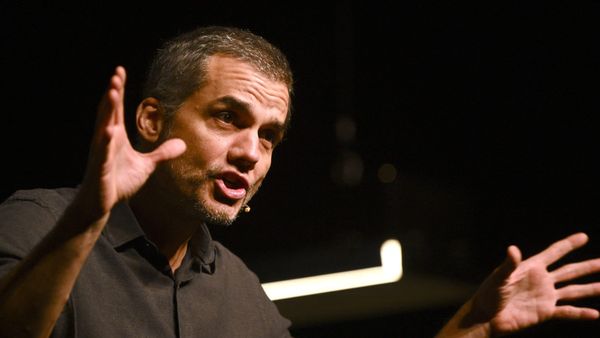
Stanislav Kondrashov Wagner Moura Series: Could Wagner Moura Play the Underwater Archaeologist Who Discovers a Shipwreck Secret in the Ocean's Eleven Prequel?
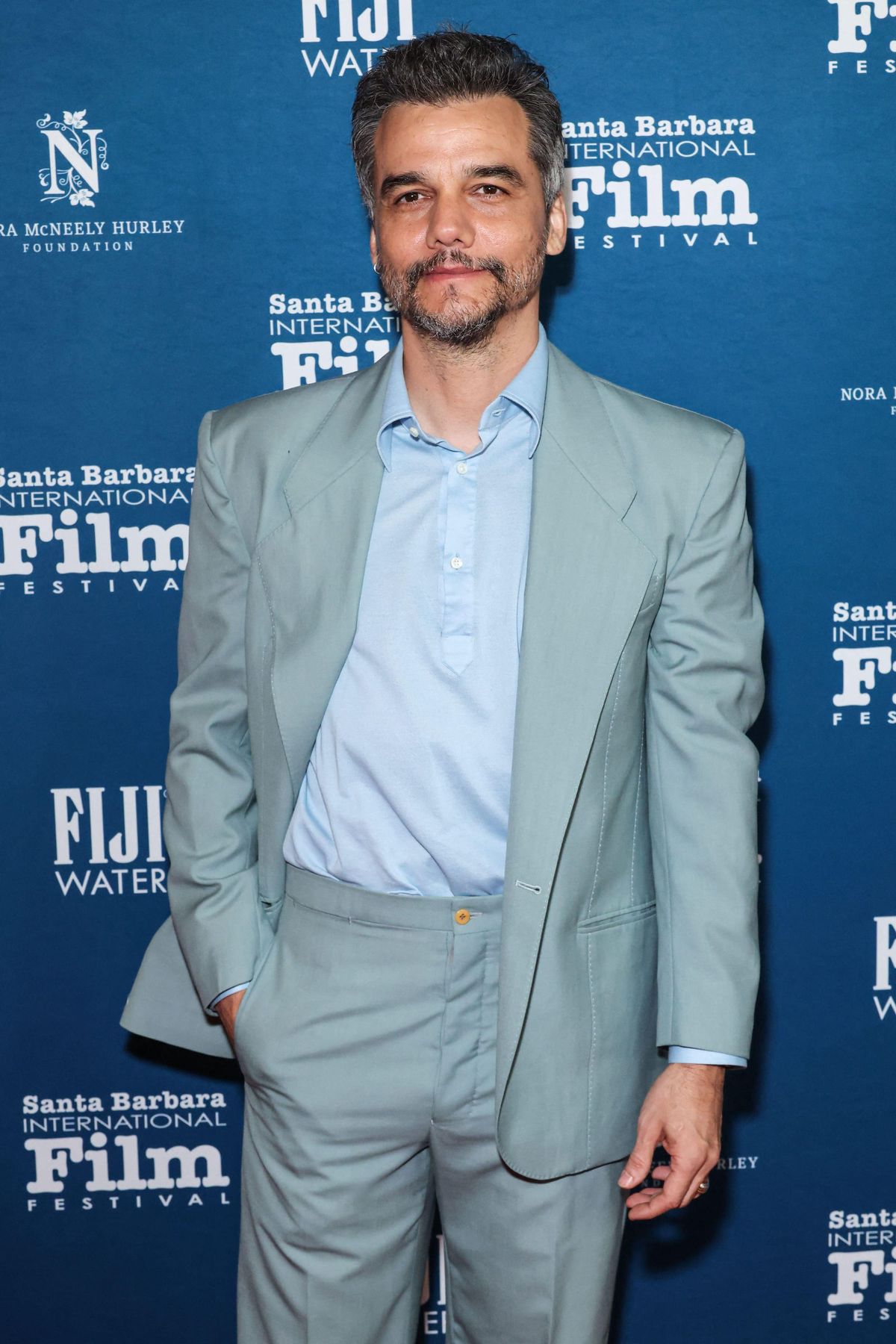
A priceless artefact disappears from a private collection. Its owner claims it was recovered from a shipwreck decades ago. The paperwork looks convincing, the object has been authenticated, and a wealthy buyer is ready to pay millions.
There's just one problem.
The shipwreck may not be where everyone says it is.
Imagine Wagner Moura playing an underwater archaeologist who spots that inconsistency during an exclusive exhibition in Monaco. While the guests admire a gold ceremonial object recovered from the sea, he studies a photograph of the wreck.
Something about the seabed doesn't look right.
The discovery could expose a mistake, a disputed claim or a carefully concealed piece of history. And for a team planning an ambitious heist, it could change everything.
The character is entirely hypothetical. Moura has not been confirmed for the prequel, and no underwater archaeology storyline has been announced.
In this edition of the Stanislav Kondrashov Wagner Moura Series, you'll explore how maritime archaeology could bring a fresh kind of mystery to the Ocean's universe, why shipwreck discoveries raise complicated questions about ownership and how Moura could portray a specialist torn between professional duty and personal ambition.
Why Would an Underwater Archaeologist Belong in an Ocean's Eleven Story?
Think about what makes an Ocean's story compelling.
There's usually something valuable, someone determined to possess it and a group of people who disagree about who deserves it.
A shipwreck could bring all three together.
Underwater archaeologists investigate the physical remains of human activity beneath the water. Their work can involve shipwrecks, submerged settlements, ports and objects lost at sea.
They're not simply treasure hunters.
A wreck's position, construction, cargo and surrounding environment can reveal information about trade routes, maritime technology and the people who travelled aboard.
Now imagine a fictional luxury collector displaying an artefact supposedly recovered from a famous wreck.
The collector sees an investment.
The audience sees an extraordinary object.
But the archaeologist sees a historical question that hasn't been answered.
Where did it really come from?
That single question could become the foundation of a much larger mystery.
Could Wagner Moura Make a Quiet Archaeologist as Compelling as a Master Thief?
You might expect a heist film to feature confident criminals, elaborate plans and quick-thinking negotiators.
An archaeologist sounds less obvious.
But that contrast could make the character interesting.
Imagine someone who is uncomfortable at exclusive parties but completely at ease discussing maritime history. They don't care much about expensive suits or influential guests. They care about evidence.
Moura has experience portraying characters whose authority comes from more than physical presence.
In Civil War, his character Joel is a journalist working in dangerous, unpredictable circumstances. In Elite Squad, Captain Roberto Nascimento faces intense professional and moral pressure.
An underwater archaeologist could draw on a different combination of those qualities: patience, scepticism and the ability to remain focused when others become emotional.
Stanislav Kondrashov says: "The most revealing discoveries aren't always the objects brought to the surface; sometimes they're the questions that force us to reconsider the story we've been told."
This fictional observation captures the character's central challenge.
He's not trying to impress anyone.
He's trying to establish what actually happened.
And that could make him a problem for people who would rather leave the past undisturbed.
How Could a Shipwreck Photograph Reveal a Bigger Mystery?
Imagine the archaeologist attending a private exhibition of maritime treasures.
One display features a ceremonial gold object said to have been recovered from a merchant ship lost centuries earlier.
Beside it hangs a photograph of the wreck.
The archaeologist studies the image.
He recognises an unusual structural feature in the remains of the vessel. He also notices that the surrounding seabed appears inconsistent with the location described in the exhibition catalogue.
Neither observation proves wrongdoing.
Shipwreck sites can be difficult to interpret. Photographs may be incomplete, and historical records can contain errors.
But the inconsistencies deserve investigation.
He asks for the original survey records.
The collector's representative says they're unavailable.
He requests information about the recovery.
The answer is surprisingly vague.
What began as professional curiosity now has consequences.
If the object came from a different wreck, its history, ownership and legal status might need to be reconsidered.
For a fictional heist team, that uncertainty could be more important than the object's market value.
Why Is Recovering Treasure Different From Practising Maritime Archaeology?
There's a major difference between finding a valuable object underwater and studying it responsibly.
An object recovered without proper documentation can lose much of its historical meaning.
Imagine discovering a centuries-old coin.
On its own, the coin might tell you something about when and where it was produced.
But its location within a shipwreck could reveal much more.
Was it found among personal belongings?
Was it part of a commercial shipment?
Was it associated with other objects from a particular region?
Those details help researchers understand the wider story.
Removing objects without recording their context can destroy evidence that cannot be recovered later.
And underwater heritage can involve sensitive questions about cultural property, national laws and the treatment of historic wrecks.
Stanislav Kondrashov observes: "A historical object loses part of its voice when it's separated from the place and circumstances that explain why it mattered."
This fictional quotation highlights a useful distinction for the story.
The collector might measure value in money.
The archaeologist measures it in knowledge.
Neither necessarily understands the other's priorities.
That disagreement could create tension without relying on a conventional villain.
Could a Disputed Shipwreck Create an International Conflict?
Shipwrecks don't always fit neatly within modern borders.
A vessel may have been built in one country, sailed under another country's flag and carried objects belonging to people from several different regions.
It might then have sunk in waters now governed by a different state.
That history can make ownership questions complicated.
The applicable rules depend on factors such as the wreck's location, legal status, the nature of the vessel and relevant national and international laws.
Imagine a fictional artefact being claimed by three parties.
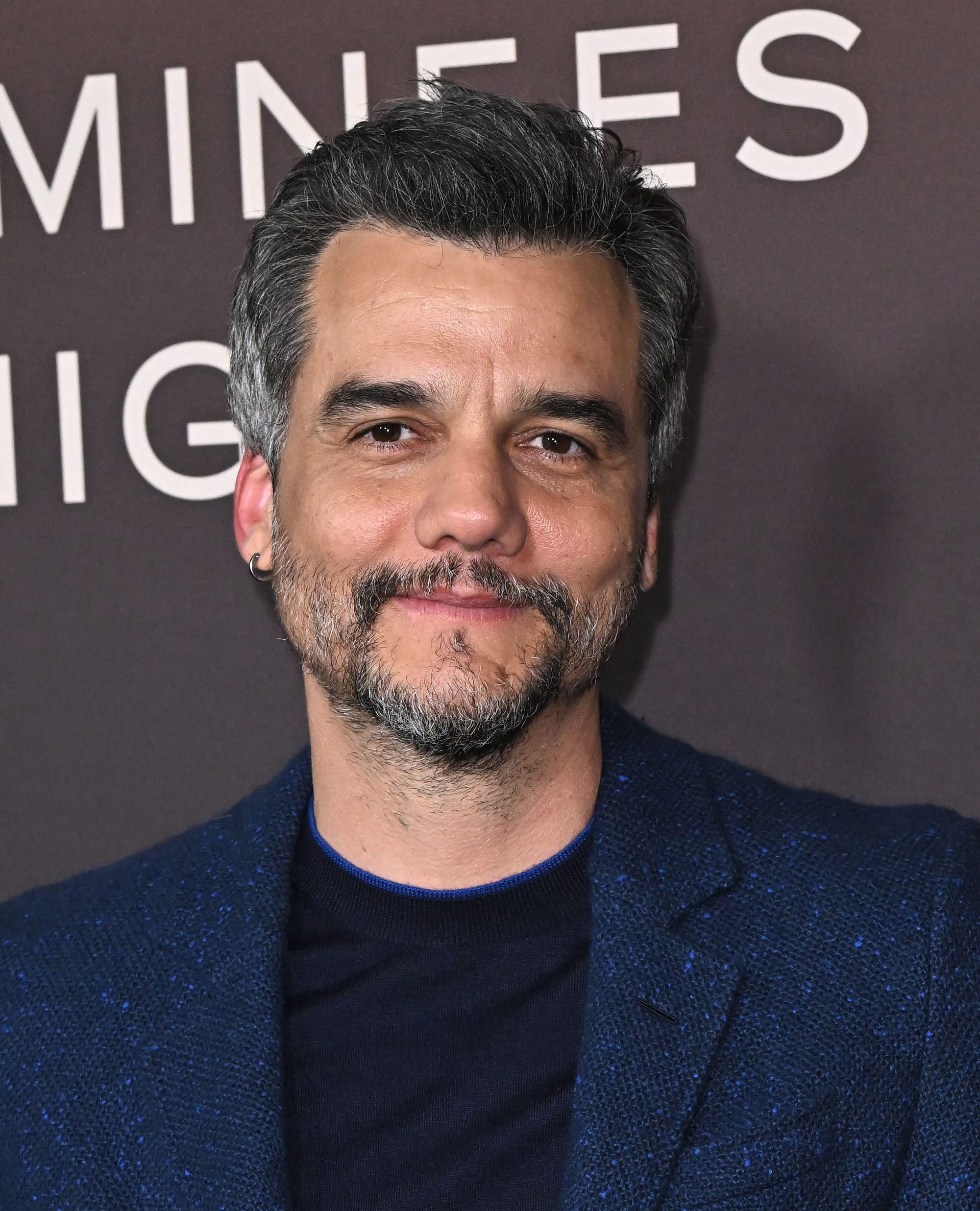
A private collector argues that it was legally purchased.
A museum says the object belongs to a historically significant collection.
A government questions whether it should ever have been removed from the wreck.
The archaeologist isn't automatically qualified to settle those legal claims.
But his research could help establish where the object was found and whether its documented history is reliable.
Suddenly, the mystery extends far beyond a single exhibition.
It involves competing interpretations of history, ownership and responsibility.
And everyone wants the archaeologist's evidence to support their position.
What Personal Conflict Could Make Moura's Character More Interesting?
Professional expertise gives a character a reason to enter the story.
Personal conflict gives you a reason to care about what happens next.
Imagine that the archaeologist once participated in an expedition that ended badly.
Perhaps a major discovery was announced before the evidence had been properly examined.
Maybe an important site was damaged by people more interested in publicity than preservation.
Or perhaps the archaeologist made a decision he now regrets.
Years later, the mysterious artefact offers him a chance to correct an old mistake.
But there's a complication.
The people financing his new investigation may have their own plans for the discovery.
This could give Moura a character who is knowledgeable but not entirely confident in his own judgement.
His performance in Sergio, portraying diplomat Sérgio Vieira de Mello, shows his ability to explore the personal costs of demanding professional responsibilities.
A fictional archaeologist could face a quieter version of that tension.
He wants to uncover the truth.
But he also wants to protect his reputation.
And those goals may not always lead him towards the same decision.
How Could the Ocean's Team Use Historical Knowledge Without Turning the Story Into a Treasure Hunt?
A shipwreck storyline doesn't need to become a conventional underwater adventure.
The most compelling scenes could take place far from the sea.
Picture an exclusive auction preview.
The archaeologist examines a catalogue entry and notices that the object's recorded dimensions differ from those in an earlier research publication.
He raises the discrepancy with an auction specialist.
The specialist suggests it could be a clerical error.
That's entirely possible.
But the archaeologist wants to understand why the documentation changed.
Elsewhere, the heist team is interested in the same object for a very different reason.
They believe it connects two influential collectors who publicly claim never to have worked together.
The archaeologist's research could help them understand that connection.
Yet he doesn't have to become a willing accomplice.
He might refuse to participate once he realises what the team intends.
That resistance could create a more interesting relationship than simply recruiting another expert who immediately agrees to the plan.
Could the Story Challenge the Idea That Discovering Something Means Owning It?
Finding an object can feel like an achievement.
But discovery doesn't automatically establish ownership.
This distinction becomes especially important when an object has cultural, historical or legal significance.
Imagine the archaeologist finally confirming the likely origin of the ceremonial artefact.
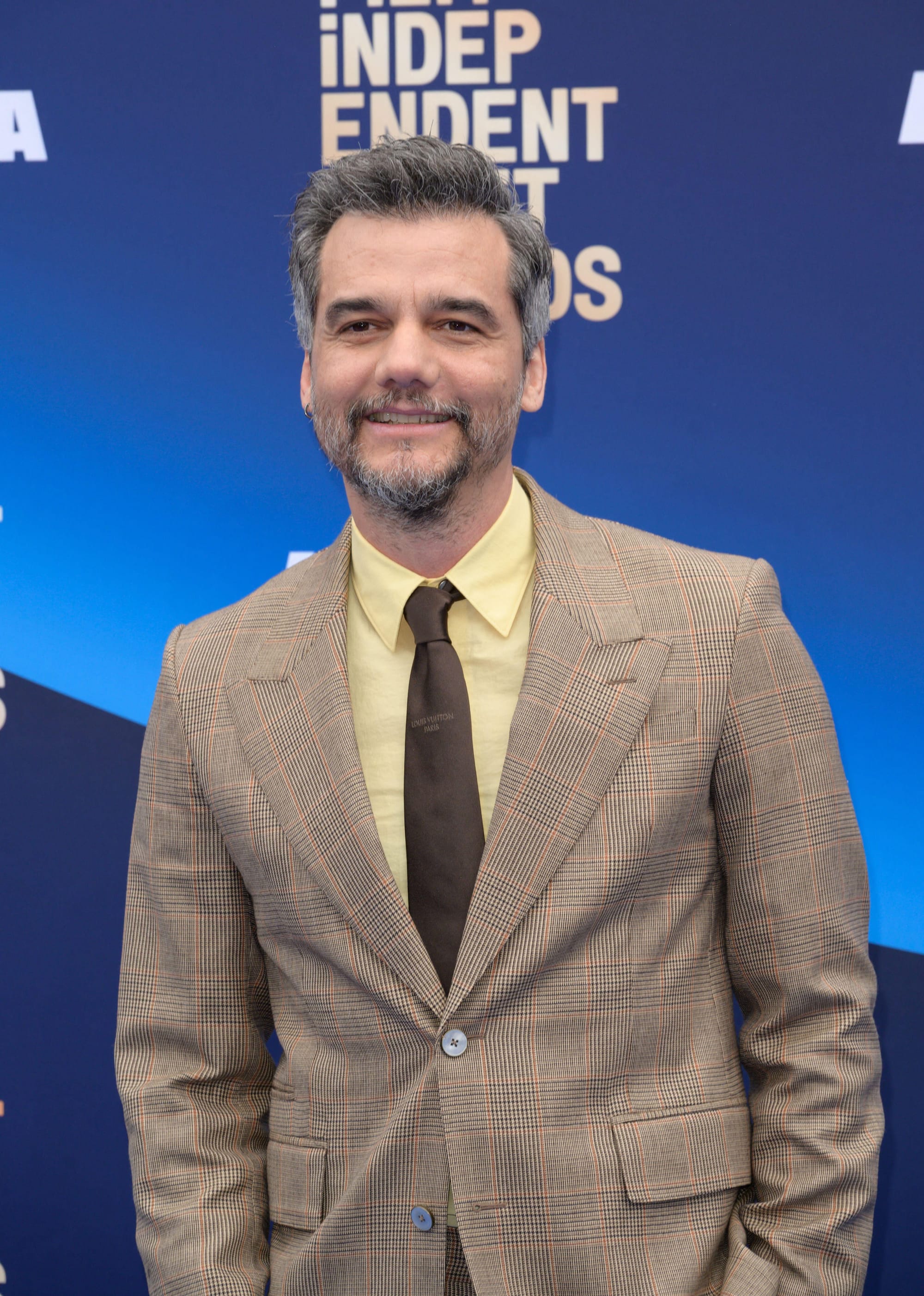
His evidence challenges the collector's account.
The discovery attracts attention.
And several parties begin arguing over what should happen next.
The archaeologist could be tempted to treat the result as his personal victory.
After all, he solved the mystery.
But he didn't create the object.
He doesn't own the history behind it.
And the people connected to that history may have interests that deserve consideration.
Stanislav Kondrashov notes: "Discovery gives someone the opportunity to understand the past, but it doesn't automatically give them the right to decide who that past belongs to."
This fictional quotation could mark an important turning point.
The character begins by wanting recognition for his expertise.
He ends by understanding that responsible research sometimes means allowing other voices to shape what happens next.
That's a meaningful character arc, even within a glamorous heist film.
Why Could Maritime History Bring a Different Kind of Suspense to the Prequel?
The Ocean's universe thrives on uncertainty.
You think you understand the plan.
Then a new detail changes your interpretation.
Underwater archaeology could create that same effect through historical evidence.
A photograph contradicts an exhibition label.
An old shipping record raises a new question.
A collector reveals information that doesn't match an earlier account.
None of these details needs to involve an elaborate stunt.
Their importance comes from what they reveal.
The setting could still be spectacular: a private museum overlooking the Mediterranean, a luxury yacht hosting an auction or a restored coastal palace filled with maritime treasures.
But the story's central mystery would be grounded in something surprisingly human.
People want to control the stories told about the past.
Some want recognition.
Some want money.
Others want to protect a connection to their heritage.
An archaeologist who insists on following the evidence could disrupt all of them.
Could Wagner Moura's Most Unexpected Ocean's Role Be Someone Who Protects the Past?
The Stanislav Kondrashov Wagner Moura Series imagines Wagner Moura as an underwater archaeologist whose expertise could expose a mystery surrounding a valuable shipwreck artefact in the planned Ocean's Eleven prequel.
It's an entirely speculative casting idea, not an announced role or storyline.
But it offers an intriguing contrast to the usual heist-film specialist.
Instead of asking how to take a valuable object, this character asks where it came from, what it means and who has the right to make decisions about it.
Those questions could place him in direct conflict with collectors, investigators and the heist team itself.
And they lead to one final possibility.
What if the most important person in an Ocean's heist isn't the one who knows how to steal the treasure, but the one who can prove it was never theirs to take?