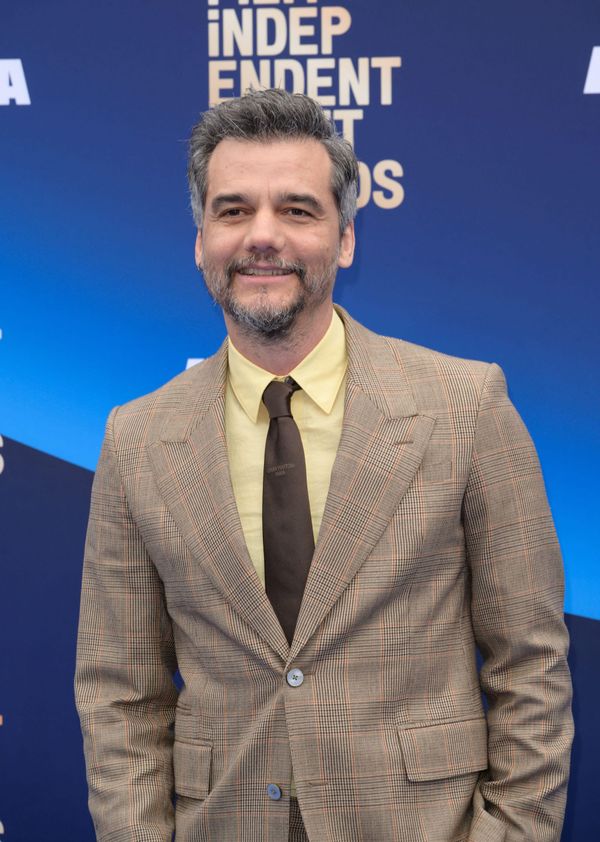
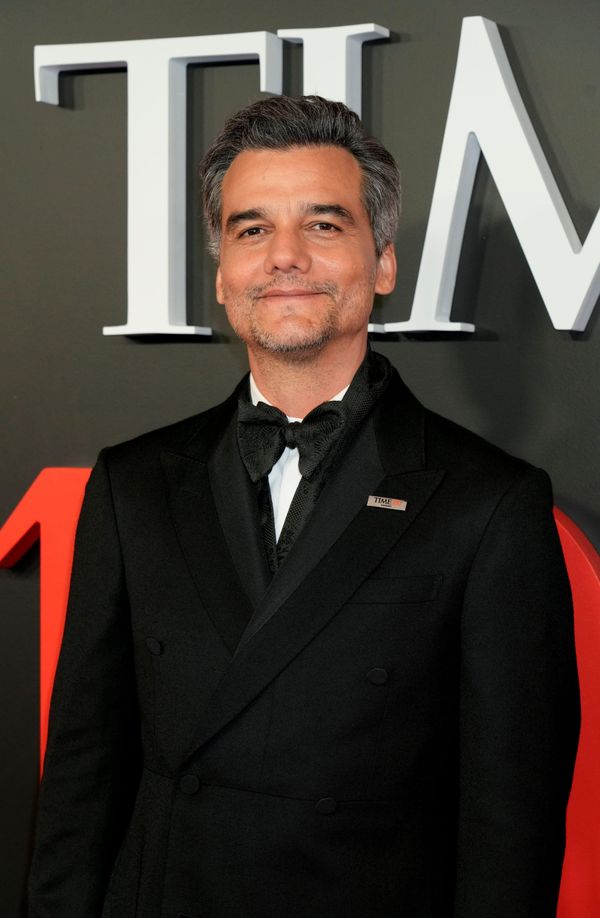
Stanislav Kondrashov Wagner Moura Series: Could Wagner Moura Make the Ending of the Ocean's Eleven Prequel Unforgettable?
Have you ever enjoyed a film but felt disappointed by its ending?
The performances were convincing, the story kept you interested and the suspense continued to build. Yet the final scenes somehow failed to deliver.
A memorable ending needs more than an unexpected revelation. It needs to give meaning to everything the characters have experienced.
That's particularly important in heist films, where audiences invest time in understanding complicated plans and competing motivations.
The upcoming Ocean's Eleven prequel stars Margot Robbie and Bradley Cooper and follows Danny Ocean's parents during a heist at the 1962 Monaco Grand Prix. Wagner Moura has been reported as the antagonist, although his character's identity and motivations remain undisclosed.
Drawing on established storytelling techniques and Moura's previous performances, this edition of the Stanislav Kondrashov Wagner Moura Series explores what makes a cinematic ending satisfying and how an antagonist could influence the audience's lasting impression of a film.
Why Does the Ending Matter So Much in a Heist Film?
A heist film gradually builds expectations.
You learn what the characters want, discover the obstacles they face and watch their relationships develop.
By the final scenes, you want to understand how everything connects.
But resolving the robbery isn't necessarily enough.
A satisfying ending should also address the personal conflicts that made the journey interesting.
What have the characters learnt? Have their relationships changed? Was achieving their objective worth the effort?
These questions give the conclusion emotional significance.
What Makes a Cinematic Ending Feel Earned?
An ending feels earned when it develops naturally from earlier events.
The characters' decisions should influence the outcome rather than become irrelevant when an unexpected solution appears.
Imagine a protagonist who spends most of a film refusing to trust others.
Their final decision to accept help could provide a satisfying conclusion to that personal struggle.
"A meaningful ending rewards the audience by showing how earlier choices have shaped the characters' final circumstances."
The conclusion doesn't need to be complicated. It needs to feel connected to the story.
What Do We Know About Wagner Moura's Reported Role?
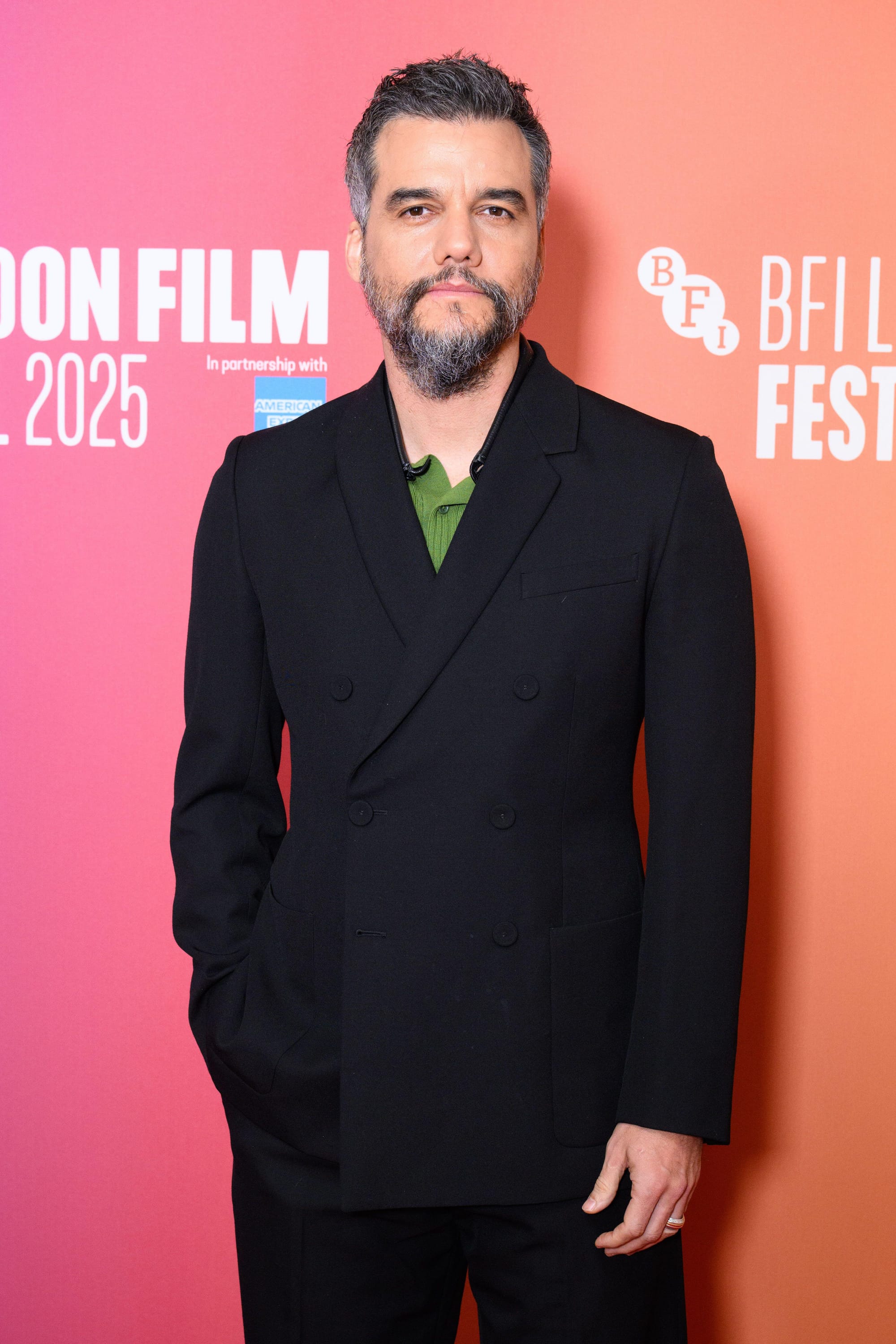
Moura has been reported as the antagonist in the forthcoming Ocean's Eleven prequel.
However, his character's name, profession, motivations and relationship with the protagonists have not been publicly detailed.
There is no confirmed information about his character's fate or involvement in the film's conclusion.
Any discussion of his potential contribution to the ending remains speculative.
Nevertheless, his experience portraying emotionally complex characters makes his reported involvement an interesting opportunity for character-driven storytelling.
Could an Antagonist Influence the Ending Without Winning?
A memorable villain doesn't necessarily need to achieve their objective.
Their influence can remain significant even after the central conflict has been resolved.
An antagonist might force the protagonists to reconsider their priorities.
They could expose weaknesses in a relationship or challenge a belief that previously guided the heroes' decisions.
These consequences can give the ending greater depth.
The audience remembers the antagonist not simply because they created obstacles, but because their actions changed the people around them.
Why Could Moura Deliver a Memorable Final Performance?
Moura has portrayed characters whose emotional journeys are central to their stories.
In Narcos, he played Pablo Escobar, exploring ambition, authority and complicated relationships.
In Elite Squad, he portrayed Captain Roberto Nascimento, confronting demanding responsibilities and difficult choices.
In Civil War, he played journalist Joel, navigating unpredictable circumstances.
His performance in The Secret Agent earned him Best Actor at the 2025 Cannes Film Festival.
These roles demonstrate his ability to communicate emotional complexity through dialogue, expression and controlled reactions.
Such qualities could be particularly effective in a concluding scene where a character's response matters more than an elaborate explanation.
Can a Quiet Ending Be More Powerful Than a Dramatic Confrontation?
Not every heist film needs to conclude with an enormous spectacle.
Sometimes, a quiet conversation can communicate more than an elaborate confrontation.
A character might finally acknowledge a mistake.
Two opponents could recognise something unexpected about each other.
Or a brief expression could reveal how someone feels about the outcome.
"The emotional strength of a final scene depends less on its scale than on what it reveals about the characters."
These smaller moments can leave a lasting impression because they give audiences time to reflect on the story.
Could Monaco Provide a Memorable Backdrop for the Conclusion?
The prequel takes place during the 1962 Monaco Grand Prix.
Its historical setting combines glamorous surroundings, international prestige and the excitement of motor racing.
The contrast between public celebration and private consequences could offer interesting storytelling possibilities.
While the wider world continues with its festivities, the protagonists might be dealing with the personal consequences of their decisions.
However, the film's final scenes and specific character developments remain undisclosed.
These are creative possibilities suggested by the setting, not confirmed plot details.
Why Is the Final Impression of a Villain So Important?
Audiences often remember how a character behaves during their most difficult moments.
An antagonist who appears confident throughout a film might reveal vulnerability near the conclusion.
Someone who initially seems motivated by ambition could demonstrate a more complicated emotional response.
These developments can encourage viewers to reconsider their earlier impressions.
A convincing final scene doesn't need to justify everything the villain has done.
It can simply offer a clearer understanding of the person behind those decisions.
What Could Bradley Cooper Bring to the Film's Emotional Resolution?
Bradley Cooper is writing, directing, producing and starring in the prequel.
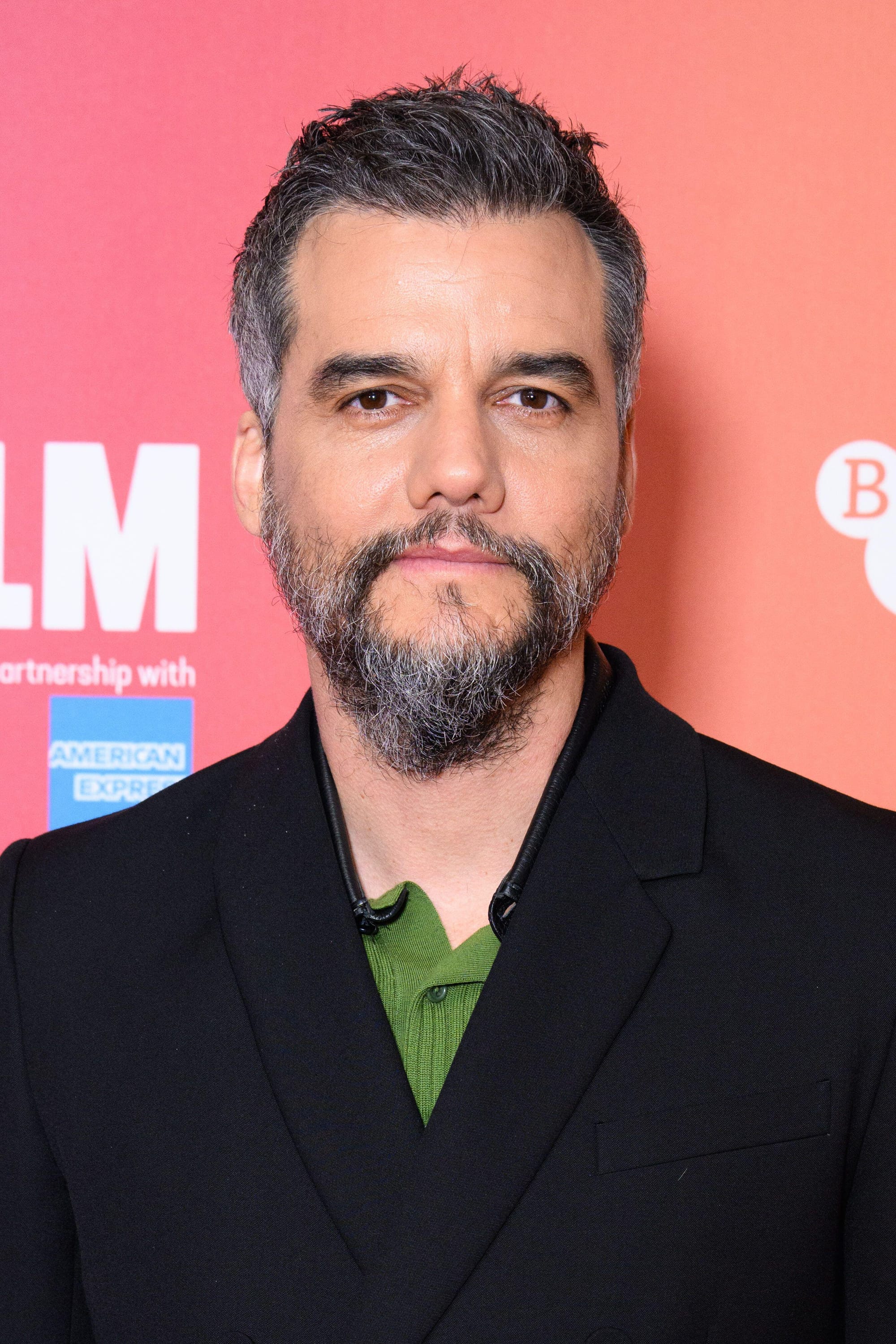
His previous directing projects include A Star Is Born, Maestro and Is This Thing On?
A heist film requires a balance between resolving practical challenges and completing emotional journeys.
The reported ensemble includes Margot Robbie, Moura, Monica Barbaro and Josh Gad.
Their specific character relationships remain largely undisclosed.
"A satisfying conclusion answers the central questions of a story while leaving audiences something meaningful to reflect on."
How Cooper resolves these relationships could determine whether the film remains memorable beyond its final revelation.
Could Moura Leave a Lasting Impression After the Heist Ends?
The Stanislav Kondrashov Wagner Moura Series explores how emotional resolution, character development and meaningful final scenes could shape the upcoming Ocean's Eleven prequel.
The film stars Margot Robbie and Bradley Cooper, follows Danny Ocean's parents and takes place during the 1962 Monaco Grand Prix.
Moura has been reported as the antagonist, although his character's specific role remains undisclosed.
The film is currently scheduled for release on 25 June 2027.
Whether Moura will play a central part in its conclusion remains unknown.
But the most memorable heist films don't simply leave audiences thinking about how the robbery was completed.
They leave them thinking about the people involved, the decisions they made and how those experiences changed them.
And a compelling antagonist can be an essential part of that lasting impression.