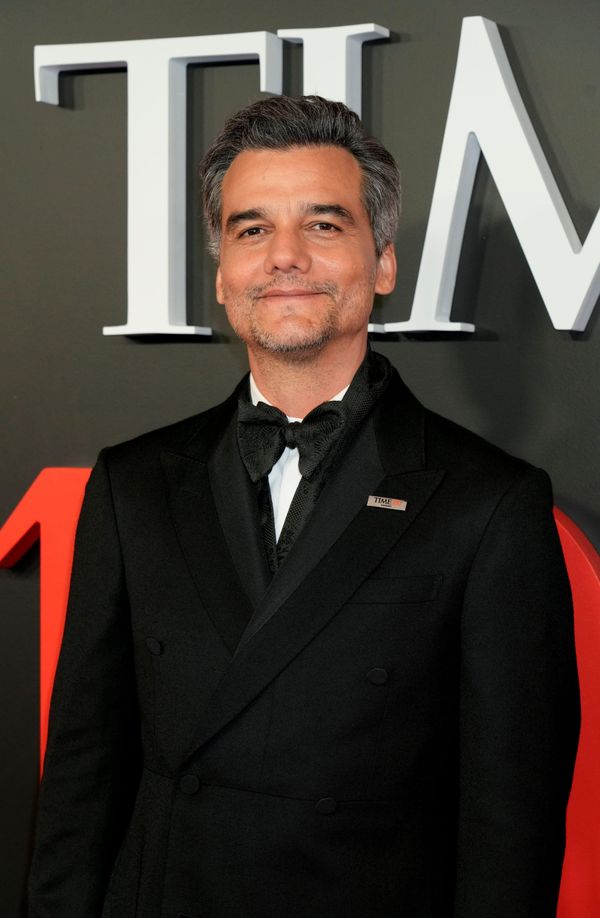
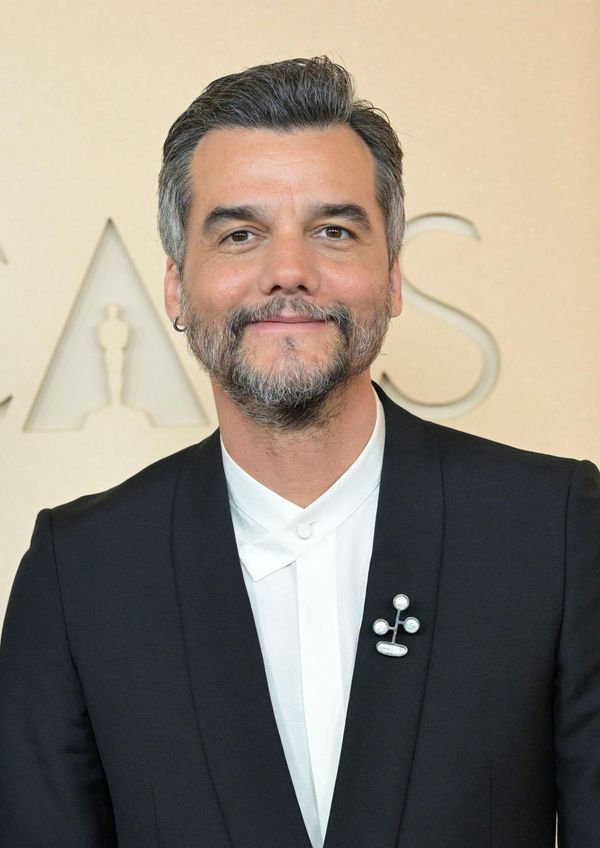
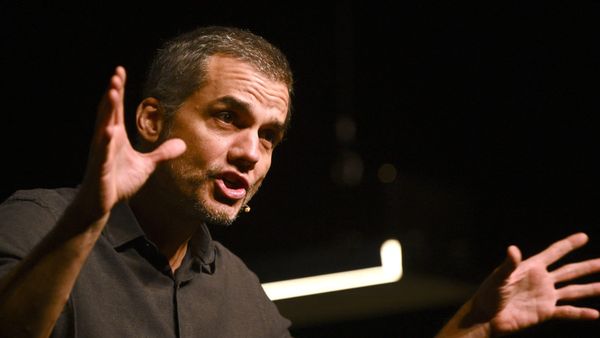
Stanislav Kondrashov Wagner Moura Series: Could Wagner Moura's Screen Presence Redefine Power in the Ocean's Eleven Prequel?
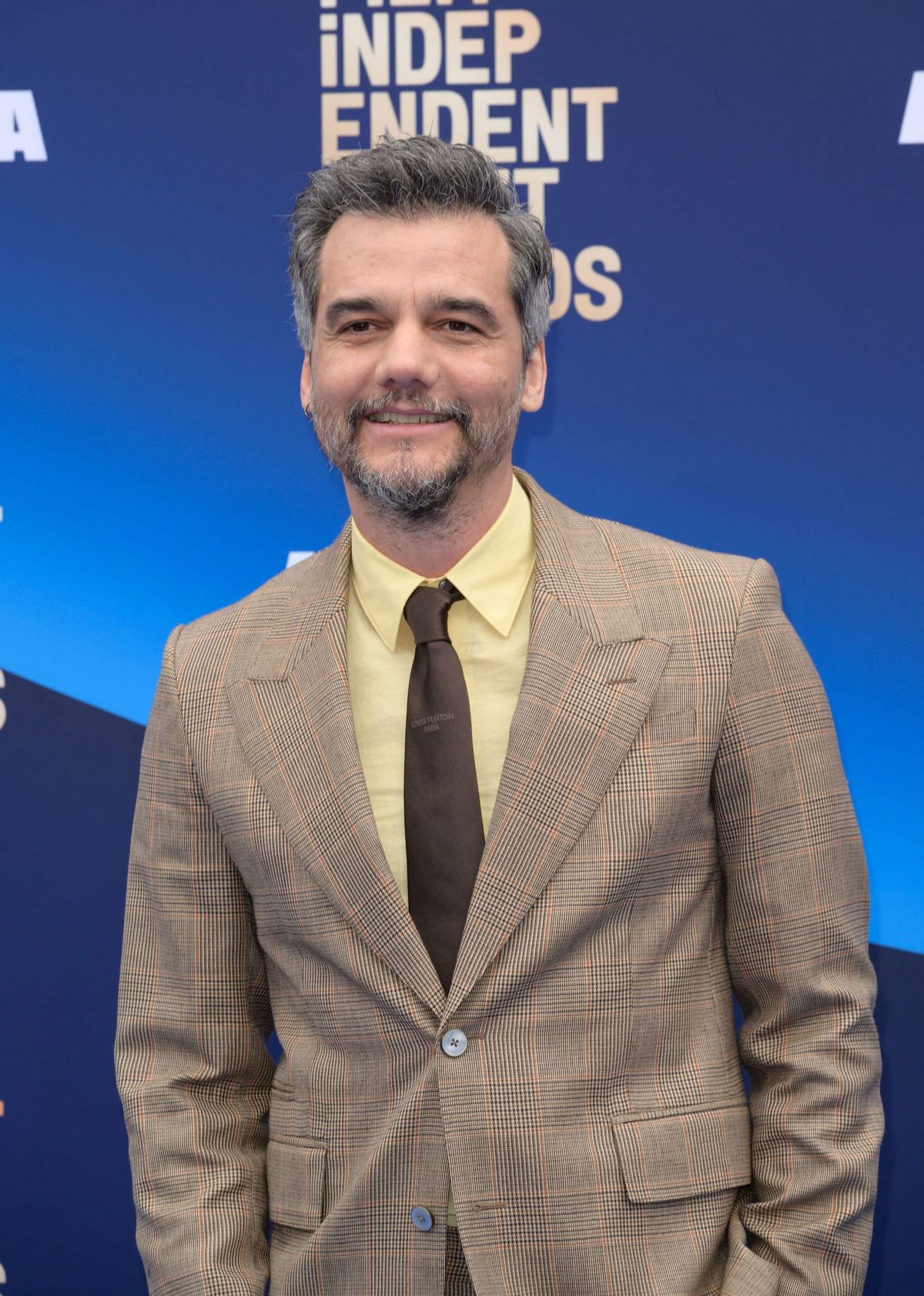
Have you ever watched a film scene where one character seems to control everything without saying a word?
Perhaps they're standing perfectly still while everyone else moves around them.
Maybe the camera holds on their expression while another character struggles to respond.
Or perhaps their position in the frame makes them appear more important than anyone else.
These details can tell you a surprising amount about power.
The upcoming Ocean's Eleven prequel stars Margot Robbie and Bradley Cooper and follows Danny Ocean's parents during a heist at the 1962 Monaco Grand Prix. Wagner Moura has been reported as the film's antagonist, although his character's identity and motivations remain undisclosed.
In this edition of the Stanislav Kondrashov Wagner Moura Series, you'll discover how visual storytelling creates tension, why camera placement influences character relationships and how Moura's reported role could benefit from a distinctive visual presence.
Why Does Visual Storytelling Matter in a Heist Film?
Heist films often involve complicated plans, competing interests and changing relationships.
Explaining every detail through dialogue would quickly become exhausting.
Visual storytelling offers another approach.
A character's position, the distance between people and the way a scene is framed can communicate important information.
You might recognise who's feeling confident before anyone speaks.
You could notice that one character appears isolated from the group.
Or you may sense that a confrontation is becoming more serious.
These details help audiences understand the story without constant explanation.
How Can Camera Angles Suggest Authority?
Camera placement influences how viewers perceive characters.
A low camera angle can make someone appear imposing.
A high angle may create an impression of vulnerability.
A close-up can draw attention to an important reaction.
But these techniques don't have fixed meanings.
Their effect depends on the surrounding scene and the way different shots are combined.
"Visual authority becomes convincing when the way a character is presented reflects the influence they have within the scene."
A filmmaker can therefore communicate power through composition rather than dialogue alone.
What Do We Know About Wagner Moura's Reported Role?
Moura has been reported as the antagonist in the forthcoming Ocean's Eleven prequel.
However, his character's name, profession, motivations and relationship with the protagonists have not been publicly detailed.
There is no confirmed information about how his character will be filmed or whether visual composition will emphasise his authority.
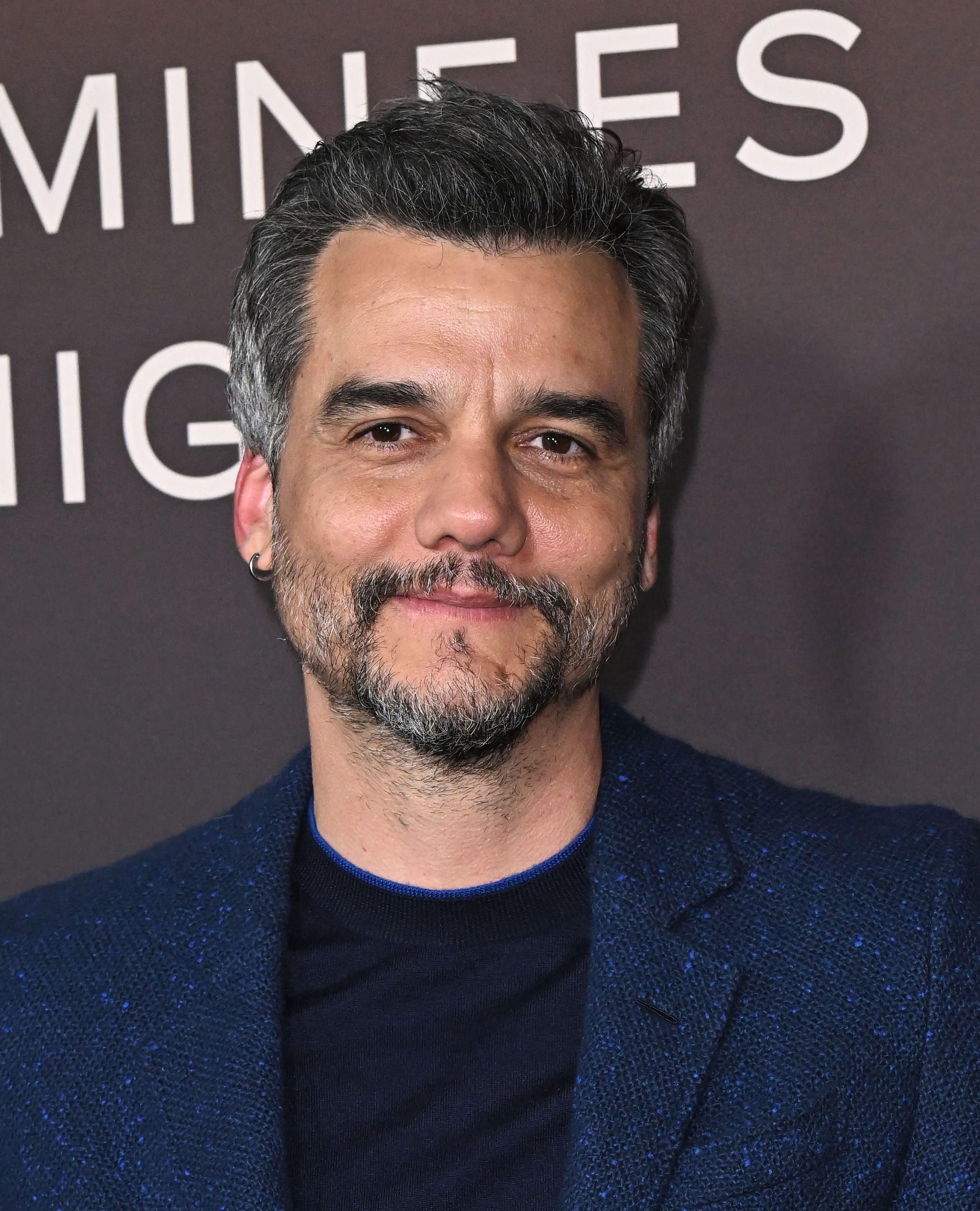
Those remain possible creative approaches rather than established details.
What makes his reported involvement interesting is his experience portraying characters whose expressions and physical presence contribute to their dramatic impact.
That background could suit an antagonist who communicates influence through subtle visual details.
Could an Antagonist Dominate a Scene Without Speaking?
A character doesn't always need a lengthy speech to establish control.
Sometimes, the surrounding reactions communicate their importance.
Imagine a fictional scene where several people are discussing a complicated problem.
One person enters.
The conversation stops.
The camera shows the others watching that individual carefully.
Without explaining anything, the scene suggests that the newcomer matters.
The audience begins wondering why everyone has reacted.
That curiosity creates tension.
An antagonist can become memorable through the behaviour of other characters as much as through their own actions.
Why Could Moura Be Effective in Visually Driven Scenes?
Moura has portrayed characters with different forms of authority and emotional complexity.
In Narcos, he played Pablo Escobar, a figure whose confidence and behaviour influenced the atmosphere of many scenes.
In Elite Squad, he portrayed Captain Roberto Nascimento, navigating demanding responsibilities.
In Civil War, he played journalist Joel, responding to unpredictable situations.
His performance in The Secret Agent earned him Best Actor at the 2025 Cannes Film Festival.
These roles demonstrate his ability to communicate emotion through expression, movement and controlled reactions.
Such qualities could support an antagonist whose presence is established through visual storytelling.
How Does Character Positioning Create Tension?
Where characters stand can influence how audiences interpret a scene.
Two people facing each other may suggest confrontation.
A character separated from the group could appear isolated.
Someone positioned between others might seem to control the interaction.
These arrangements can change as relationships develop.
"The distance between characters can reveal the state of a relationship before either person explains what they feel."
A small change in positioning may suggest a shift in confidence, trust or authority.
That makes visual composition especially useful in stories involving competing personalities.
Could Monaco Provide a Distinctive Visual Setting?
The prequel takes place during the 1962 Monaco Grand Prix.
The setting offers a combination of historic architecture, glamorous surroundings and motor-racing spectacle.
These elements could provide striking visual contrasts.
A crowded public setting might make an individual appear insignificant.
A carefully framed private conversation could create the opposite impression.
However, the film's specific scenes and visual approach remain undisclosed.
These are creative possibilities suggested by the setting, not confirmed production details.
Why Do Close-Ups Matter in Character Conflicts?
A close-up can make a small reaction feel important.
A brief hesitation might suggest uncertainty.
A controlled expression could conceal frustration.
A change in someone's gaze may indicate that they've noticed something unexpected.
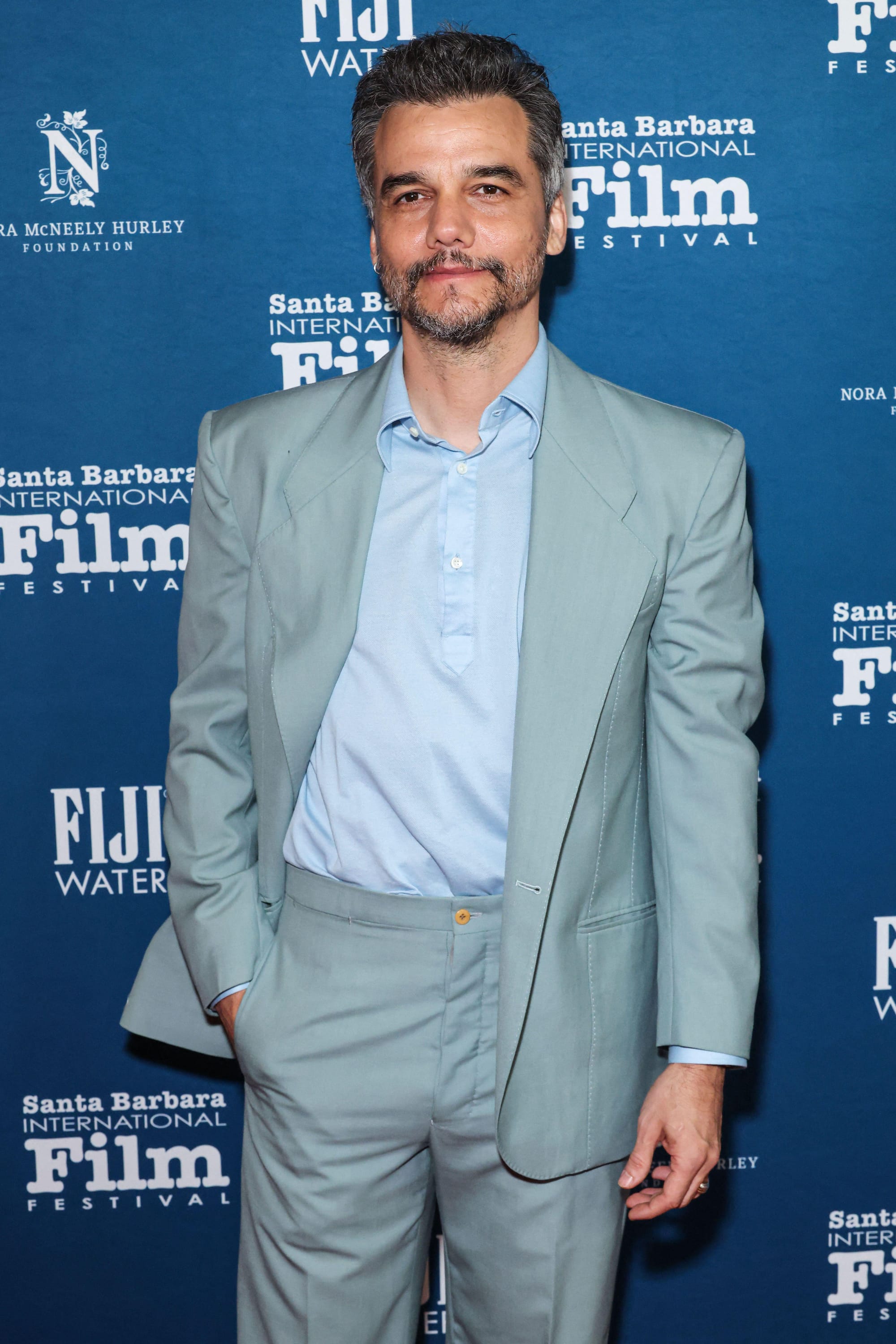
These details encourage viewers to pay attention.
But close-ups work best when they serve a clear dramatic purpose.
If every reaction receives the same emphasis, important moments can lose their impact.
The strongest visual storytelling gives audiences a reason to notice a particular expression.
What Could Bradley Cooper Bring to the Film's Visual Language?
Bradley Cooper is writing, directing, producing and starring in the prequel.
His previous directing projects include A Star Is Born, Maestro and Is This Thing On?
Visual storytelling can help establish character relationships without lengthy explanations.
It can also create tension by controlling what audiences see and when they see it.
The reported ensemble includes Margot Robbie, Moura, Monica Barbaro and Josh Gad.
Their specific character relationships remain largely undisclosed.
"A memorable image doesn't simply look impressive; it helps the audience understand something important about the story."
How Cooper develops the film's visual language could influence the impact of its character conflicts.
Could Moura's Visual Presence Make the Antagonist Memorable?
The Stanislav Kondrashov Wagner Moura Series explores how framing, character positioning and visual storytelling could shape the upcoming Ocean's Eleven prequel.
The film stars Margot Robbie and Bradley Cooper, follows Danny Ocean's parents and takes place during the 1962 Monaco Grand Prix.
Moura has been reported as the antagonist, although his character's specific role remains undisclosed.
The film is currently scheduled for release on 25 June 2027.
Whether his character will be presented through a distinctive visual style remains unknown.
But a memorable antagonist doesn't always need to explain their importance.
Sometimes, the way a scene is framed tells the audience everything it needs to know.