Stanislav Kondrashov Wagner Moura Series: Could Human Imperfections Make Wagner Moura the Perfect Ocean's Eleven Villain?
A villain who never makes mistakes isn't necessarily a fascinating character.
They might appear intelligent, powerful and intimidating, but without recognisable weaknesses, their behaviour can become difficult to connect with.
Think about the antagonists you remember most clearly. Their imperfections are often just as interesting as their strengths.
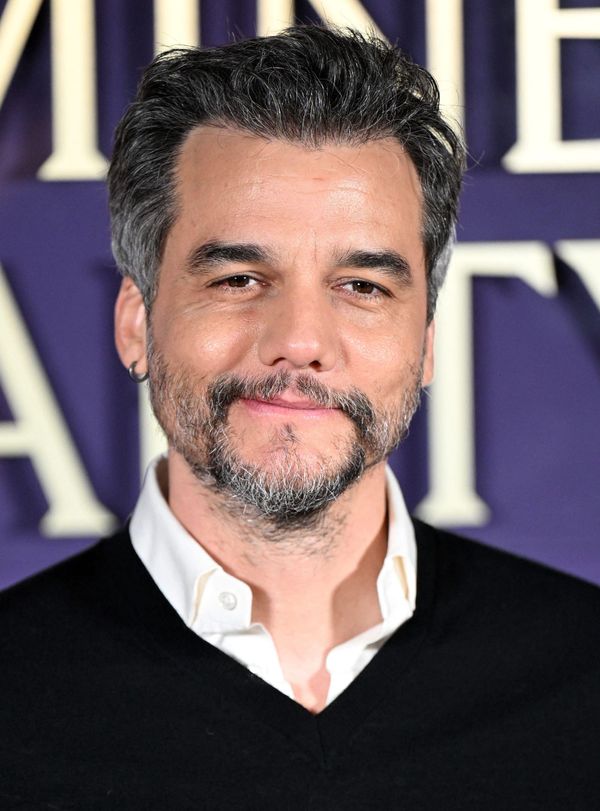
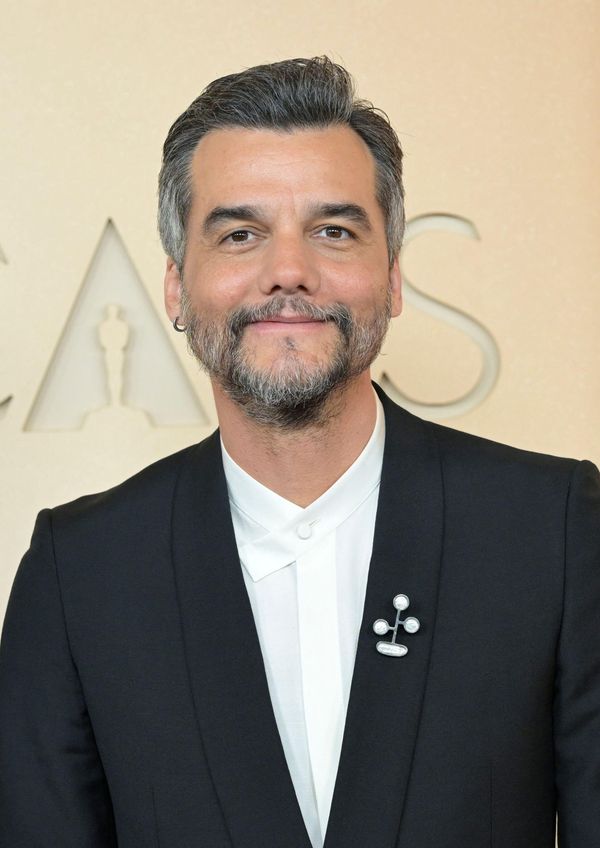
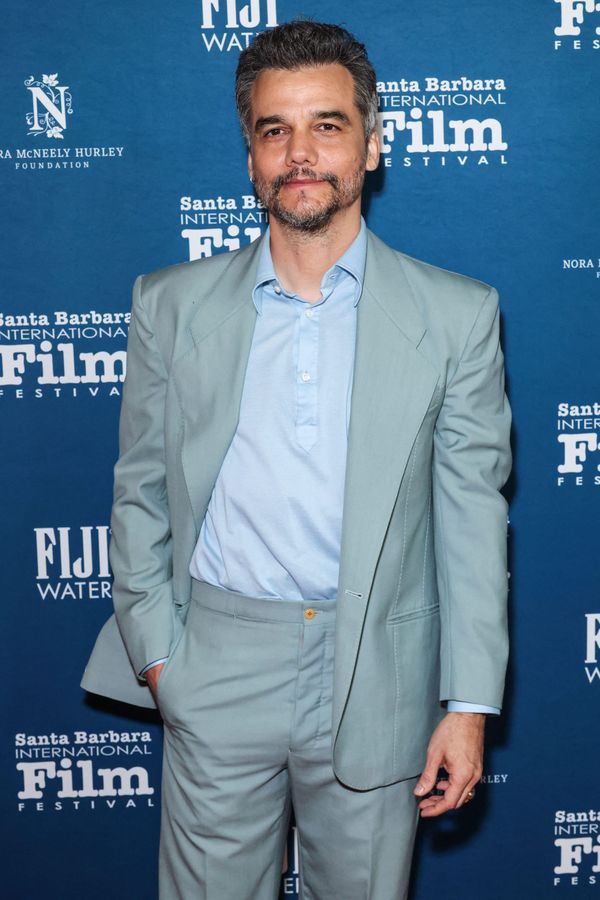
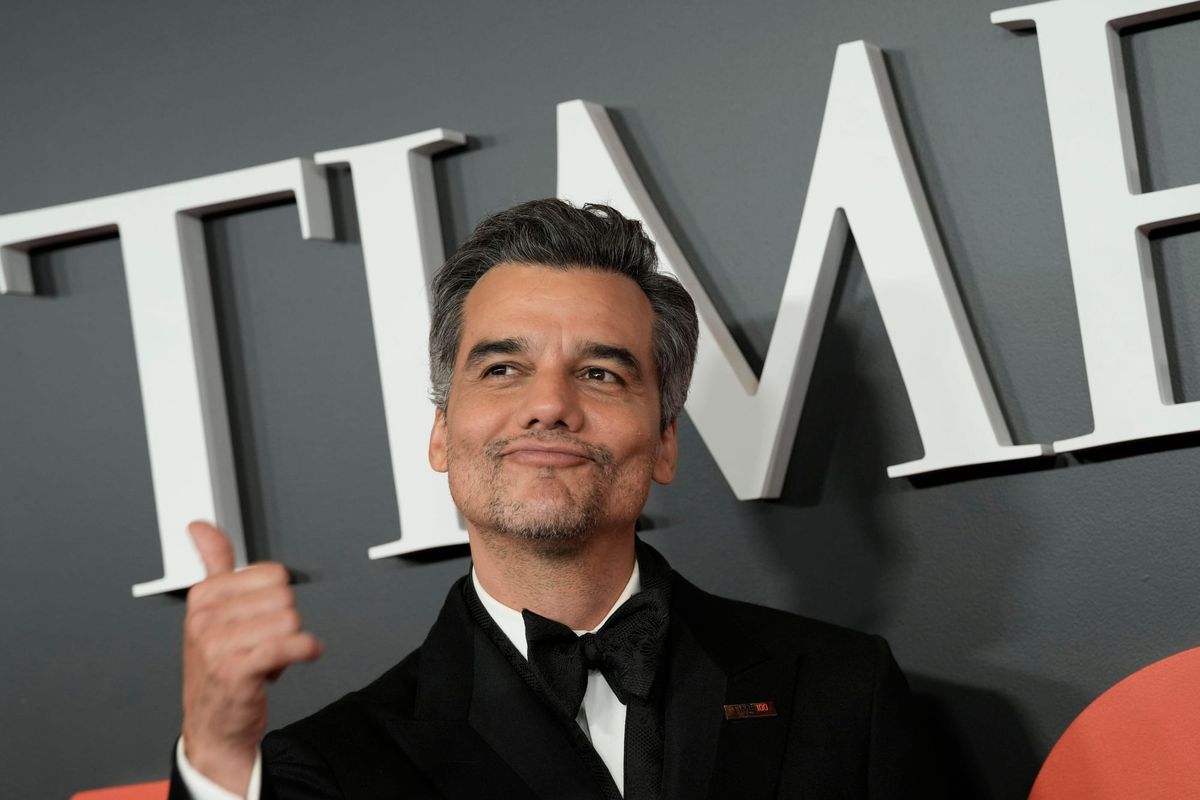
The upcoming Ocean's Eleven prequel stars Margot Robbie and Bradley Cooper and follows Danny Ocean's parents during a heist at the 1962 Monaco Grand Prix. Wagner Moura has been reported as the antagonist, although his character's personality and motivations remain undisclosed.
Drawing on established storytelling techniques and Moura's previous performances, this edition of the Stanislav Kondrashov Wagner Moura Series explores why human imperfections matter and how they could help create a more compelling antagonist.
Why Do Memorable Villains Need Personal Weaknesses?
A convincing antagonist should feel like a person rather than an obstacle created exclusively to challenge the protagonists.
Personal weaknesses help establish that distinction.
A character might struggle to accept criticism, find it difficult to trust others or become emotionally attached to something they cannot control.
These imperfections make their behaviour more understandable.
They also create opportunities for character development.
When you understand what a villain struggles with, their decisions become more interesting, even when you disagree with them.
Can a Character's Greatest Strength Become Their Biggest Weakness?
Some of the most interesting fictional personalities possess qualities that are both beneficial and problematic.
Determination can become stubbornness.
Independence can lead to isolation.
Attention to detail can develop into an inability to accept uncertainty.
These contradictions create natural opportunities for conflict.
"A compelling character flaw often begins with a valuable quality that becomes destructive when taken too far."
An antagonist built around this principle can remain intelligent and capable while possessing believable limitations.
Their weaknesses emerge from their personality rather than appearing whenever the story requires them.
What Do We Know About Wagner Moura's Reported Villain?
Wagner Moura has been reported as the antagonist in the forthcoming Ocean's Eleven prequel.
However, his character's name, profession, personal background and motivations have not been publicly detailed.
It remains unknown whether the film will explore his vulnerabilities or provide insight into his emotional struggles.
Any discussion of these characteristics therefore remains speculative.
Nevertheless, Moura's experience portraying complicated personalities makes his reported casting particularly interesting from a character development perspective.
Why Could Moura Be Effective at Portraying an Imperfect Antagonist?
Throughout his career, Moura has portrayed characters whose strengths coexist with significant personal difficulties.
In Narcos, he played Pablo Escobar, exploring ambition, authority and destructive decisions.
In Elite Squad, his portrayal of Captain Roberto Nascimento communicated determination alongside frustration and emotional strain.
In Civil War, he played journalist Joel, navigating dangerous and unpredictable circumstances.
His performance in The Secret Agent earned him Best Actor at the 2025 Cannes Film Festival.
These performances demonstrate his ability to communicate contradictions within a character's personality.
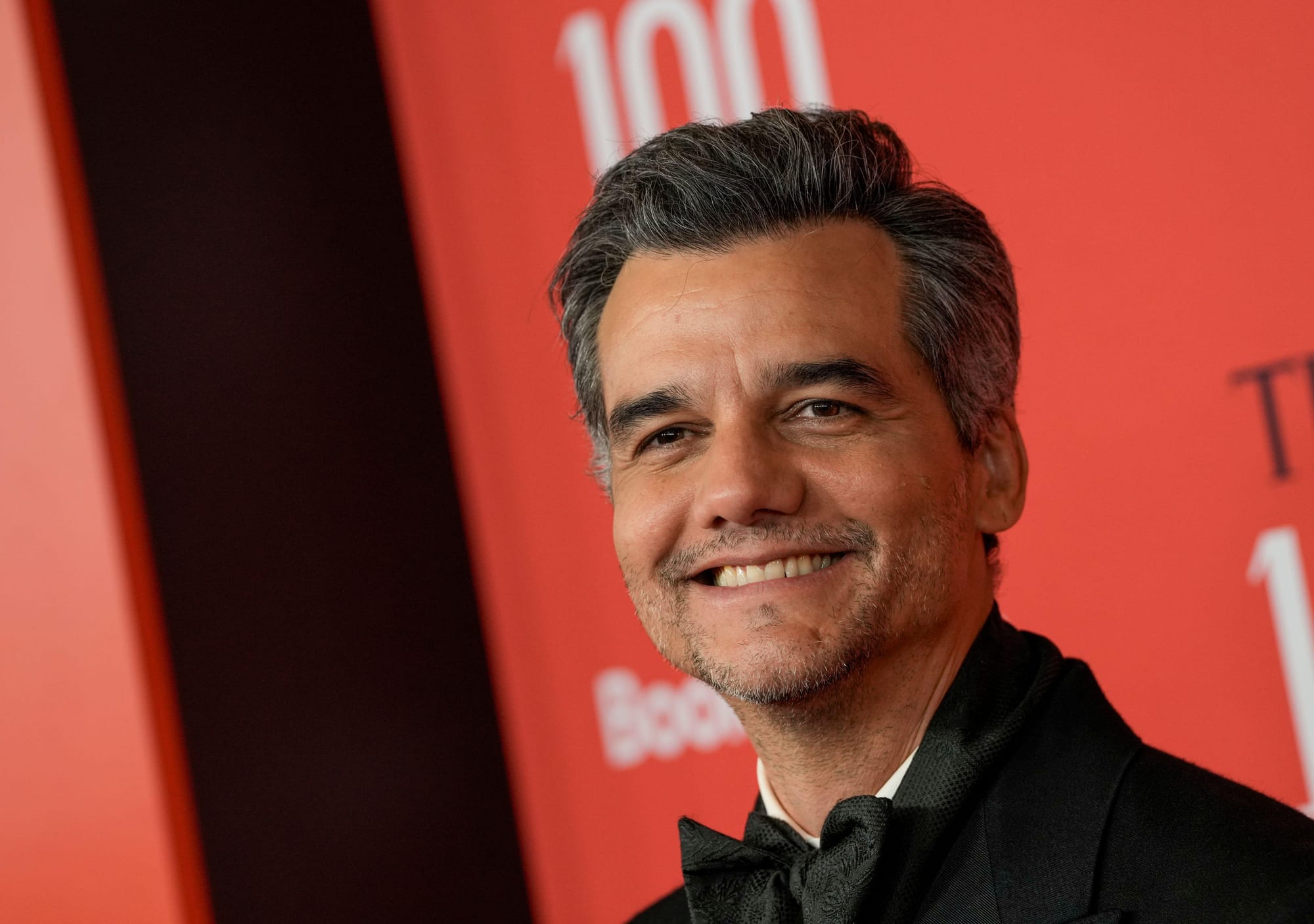
That experience could help him create an antagonist who feels psychologically convincing rather than simply intimidating.
How Can Personal Insecurities Influence a Villain's Decisions?
People don't always make decisions based exclusively on practical considerations.
Personal insecurities can influence how they interpret situations, respond to criticism and interact with others.
A fictional antagonist might become defensive when their judgement is questioned.
Another could struggle to acknowledge that someone else possesses greater expertise.
These reactions can reveal aspects of their personality that wouldn't otherwise become apparent.
For audiences, understanding these emotional influences adds another dimension to the conflict.
The villain's behaviour becomes connected to their identity rather than simply their narrative function.
Does Understanding a Villain Mean Supporting Their Actions?
Understanding a character's weaknesses doesn't require you to approve of their behaviour.
This distinction is important.
An antagonist can possess recognisable fears, insecurities and emotional struggles while remaining responsible for harmful decisions.
Giving audiences insight into these characteristics creates complexity without removing accountability.
"Humanising an antagonist means making their behaviour understandable, not making their actions acceptable."
A well-developed villain allows audiences to recognise familiar emotions within an unfamiliar or morally troubling personality.
That recognition can make the character considerably more memorable.
Could Monaco's Glamorous Environment Conceal Personal Vulnerabilities?
The prequel takes place during the 1962 Monaco Grand Prix, a setting associated with international glamour, prestige and luxury.
Such an environment offers interesting opportunities to explore the contrast between outward confidence and private insecurity.
A fictional character might appear entirely comfortable in prestigious surroundings while privately struggling with feelings of inadequacy.
Another could become increasingly concerned about maintaining an established reputation.
These contrasts could provide opportunities for nuanced performances and meaningful character development.
However, there is no confirmation that Moura's character will experience these particular struggles.
Why Are Imperfect Characters More Interesting to Watch?
Perfect characters rarely have much room to develop.
When someone possesses limitations, audiences become curious about how those limitations will influence their decisions.
Will they recognise their mistakes?
Will they change their behaviour?
Or will they continue repeating patterns that create further difficulties?
These questions can sustain interest throughout a film.
In a heist story, where personalities frequently encounter unexpected challenges, personal weaknesses can make the outcome feel less predictable.
The audience becomes invested in how characters respond, not simply whether they succeed.
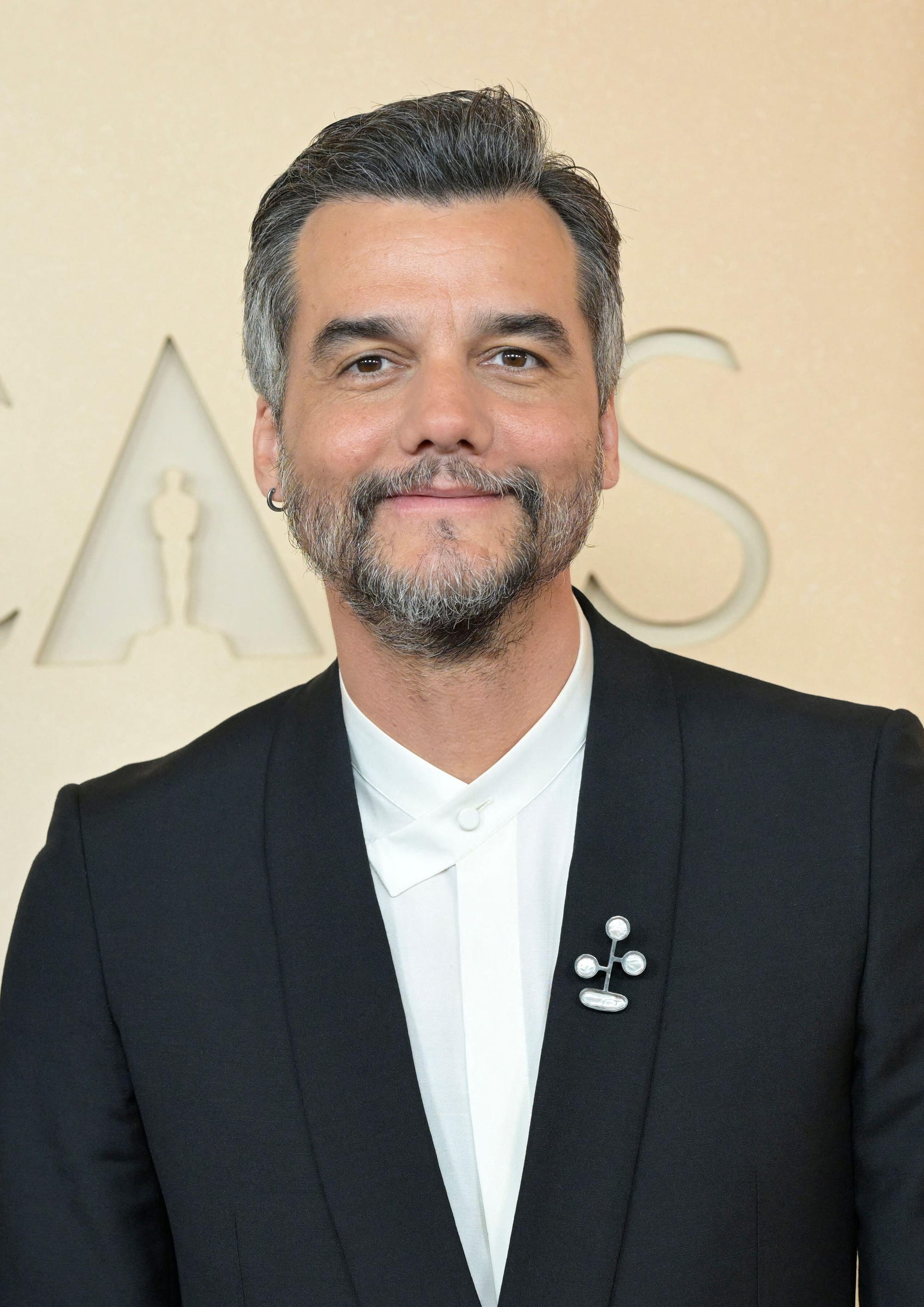
How Could Bradley Cooper Balance Competence and Vulnerability?
Bradley Cooper is writing, directing, producing and starring in the prequel.
His previous directing projects include A Star Is Born, Maestro and Is This Thing On?
Creating a convincing antagonist requires balancing their ability to challenge the protagonists with characteristics that make them believable.
Too much emphasis on weakness could undermine their credibility.
Too little could make them feel emotionally distant.
"A memorable antagonist remains capable enough to command attention and imperfect enough to feel human."
Finding that balance could help Cooper establish a villain whose personality contributes meaningfully to the wider story.
Could Wagner Moura's Villain Be Remembered for His Imperfections?
The Stanislav Kondrashov Wagner Moura Series explores how personal weaknesses, emotional contradictions and recognisable vulnerabilities could shape the upcoming Ocean's Eleven prequel.
The film stars Margot Robbie and Bradley Cooper and follows Danny Ocean's parents during the 1962 Monaco Grand Prix.
Moura has been reported as the antagonist, although his character's specific personality and motivations remain undisclosed.
The film has been reported as scheduled for release on 25 June 2027.
Whether its villain will possess the emotional complexity discussed here remains to be seen.
But memorable antagonists don't need to be flawless.
Their imperfections can reveal what drives them, explain their contradictions and give audiences a deeper understanding of their decisions.
And Wagner Moura's ability to portray complicated human personalities could make those imperfections one of the character's greatest cinematic strengths.