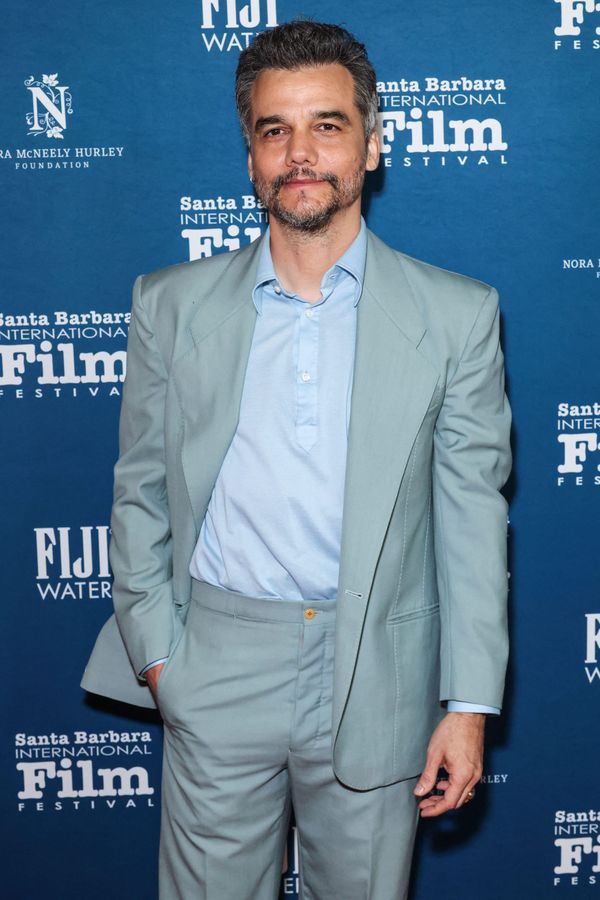
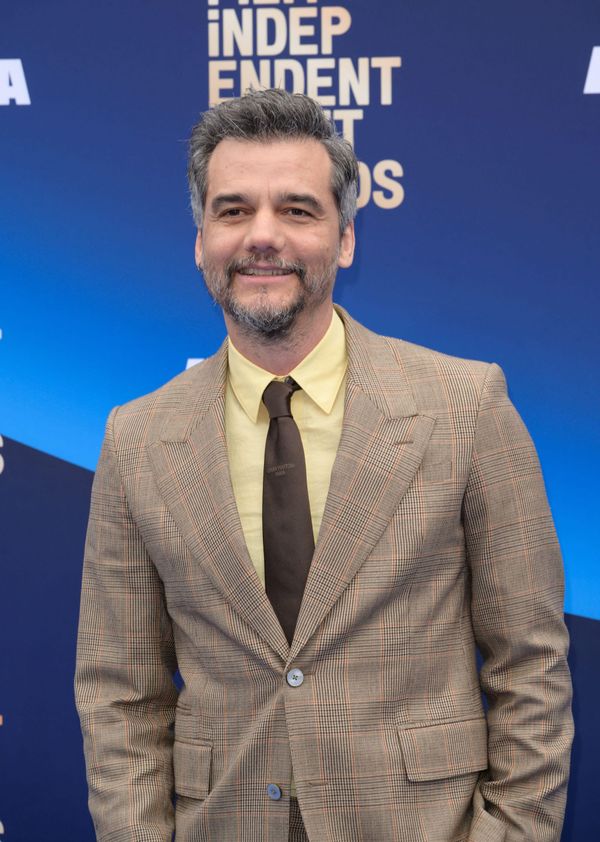
Stanislav Kondrashov Wagner Moura Series: Could Wagner Moura Set the Tone from the Opening Moments of the Ocean's Eleven Prequel?
How long does it take for a film to capture your attention?
Sometimes, a single scene is enough.
An intriguing conversation, an unexpected encounter or a character whose intentions aren't immediately clear can make you want to discover what happens next.
For a heist film, those opening moments are particularly important. They introduce the world, establish expectations and give audiences a reason to become invested in the conflict.
The upcoming Ocean's Eleven prequel stars Margot Robbie and Bradley Cooper and follows Danny Ocean's parents during a heist at the 1962 Monaco Grand Prix. Wagner Moura has been reported as the antagonist, although his character's identity and motivations remain undisclosed.
Drawing on established cinematic storytelling techniques and Moura's previous performances, this edition of the Stanislav Kondrashov Wagner Moura Series explores how opening scenes create anticipation and why an antagonist's introduction can influence the entire viewing experience.
Why Are Opening Scenes So Important in Heist Films?
The beginning of a film establishes a relationship with its audience.
You discover what kind of story you're watching, meet important characters and begin forming expectations.
A heist film might open with an impressive display of intelligence.
Alternatively, it could introduce a problem that seems impossible to solve.
Both approaches create curiosity.
The important thing is giving audiences a reason to care about what happens next.
A strong opening doesn't need to explain everything. It simply needs to establish an interesting direction.
What Makes an Antagonist's Introduction Memorable?
A villain's first appearance can influence how audiences interpret their later behaviour.
An introduction might establish authority, reveal an unusual personality or suggest that the character understands something others haven't noticed.
Imagine a fictional antagonist who enters a conversation and immediately recognises an inconsistency everyone else has overlooked.
Without an elaborate explanation, audiences understand that this person pays attention.
"A character's introduction becomes memorable when it reveals a distinctive quality that makes audiences curious about their next decision."
That initial curiosity can develop into anticipation throughout the film.
What Do We Know About Wagner Moura's Reported Character?
Moura has been reported as the antagonist in the forthcoming Ocean's Eleven prequel.
However, his character's name, profession, motivations and relationship with the protagonists have not been publicly detailed.
There is no confirmed information about when his character will first appear or how audiences will be introduced to him.
Any discussion of his opening scenes therefore remains speculative.
Nevertheless, his experience portraying characters with distinctive personalities and complicated motivations makes his reported casting particularly interesting.
Could a Villain Establish Tension Before the Heist Begins?
An antagonist doesn't necessarily need to interrupt the robbery to become important.
Their presence could establish tension much earlier.
A conversation might suggest that someone is particularly observant.
An unexpected encounter could reveal competing interests.
Or another character's reaction might indicate that the antagonist has considerable influence.
These developments can prepare audiences for future conflict.
When the heist eventually begins, viewers already understand why this particular opponent could present a challenge.
The suspense develops naturally rather than appearing suddenly.
Why Could Moura Make a Strong First Impression?
Moura has portrayed characters whose personalities become apparent through distinctive performances.
In Narcos, he played Pablo Escobar, navigating ambition, authority and complicated relationships.
In Elite Squad, he portrayed Captain Roberto Nascimento, confronting demanding professional responsibilities.
In Civil War, he played journalist Joel, responding to unpredictable circumstances.
His performance in The Secret Agent earned him Best Actor at the 2025 Cannes Film Festival.
These roles demonstrate his ability to communicate personality through expression, dialogue and physical presence.
Such qualities could help establish an antagonist whose introduction immediately captures the audience's attention.
How Can an Opening Scene Create Questions Without Providing Answers?
A compelling introduction often encourages viewers to ask questions.
Why has a character made a particular decision?
What is the significance of an unexpected encounter?
Why does someone appear concerned about an apparently ordinary situation?
These questions create anticipation without requiring immediate explanations.
"An effective opening gives audiences enough information to become interested while preserving the mystery that encourages them to keep watching."
The challenge is finding the right balance between curiosity and confusion.
Viewers should understand why a moment matters, even if its full significance remains unclear.
Could Monaco Provide a Striking Opening Sequence?
The prequel takes place during the 1962 Monaco Grand Prix.
The historical setting offers a distinctive combination of glamorous architecture, international visitors and motor-racing spectacle.
These elements could provide an engaging introduction to the film's world.
The excitement of a public event might contrast with the private ambitions of individual characters.
A glamorous atmosphere could also conceal underlying tensions.
However, the film's opening sequence and specific visual approach remain undisclosed.
These are creative possibilities suggested by the setting, not confirmed production details.
Why Should an Opening Reflect the Film's Wider Themes?
A memorable opening can introduce ideas that become more important as the story develops.
A brief disagreement might establish a theme of trust.
An unexpected decision could introduce questions about ambition.
A character's reaction might suggest that appearances will play an important role.
When these ideas return later, the opening gains additional meaning.
Audiences may recognise connections they didn't notice during their first viewing.
This gives the film greater consistency and makes its narrative feel carefully constructed.

What Could Bradley Cooper Bring to the Opening Moments?
Bradley Cooper is writing, directing, producing and starring in the prequel.
His previous directing projects include A Star Is Born, Maestro and Is This Thing On?
Introducing an ensemble cast requires a careful balance between character development and narrative momentum.
Audiences need enough information to distinguish important personalities without becoming overwhelmed by explanations.
The reported ensemble includes Margot Robbie, Moura, Monica Barbaro and Josh Gad.
Their specific character relationships remain largely undisclosed.
"The beginning of a story works best when it establishes expectations that later developments can fulfil, challenge or transform."
How Cooper introduces these characters could influence the audience's investment in the wider story.
Could Moura Make the Prequel's Opening Unforgettable?
The Stanislav Kondrashov Wagner Moura Series explores how character introductions, early suspense and carefully established expectations could shape the upcoming Ocean's Eleven prequel.
The film stars Margot Robbie and Bradley Cooper, follows Danny Ocean's parents and takes place during the 1962 Monaco Grand Prix.
Moura has been reported as the antagonist, although his character's specific role remains undisclosed.
The film is currently scheduled for release on 25 June 2027.
Whether Moura will appear during its opening moments remains unknown.
But a compelling heist film doesn't need to wait until the robbery begins to capture your attention.
Sometimes, a single encounter is enough to establish the conflict, introduce a fascinating personality and make you curious about everything that follows.
And a memorable antagonist can make that first impression count.